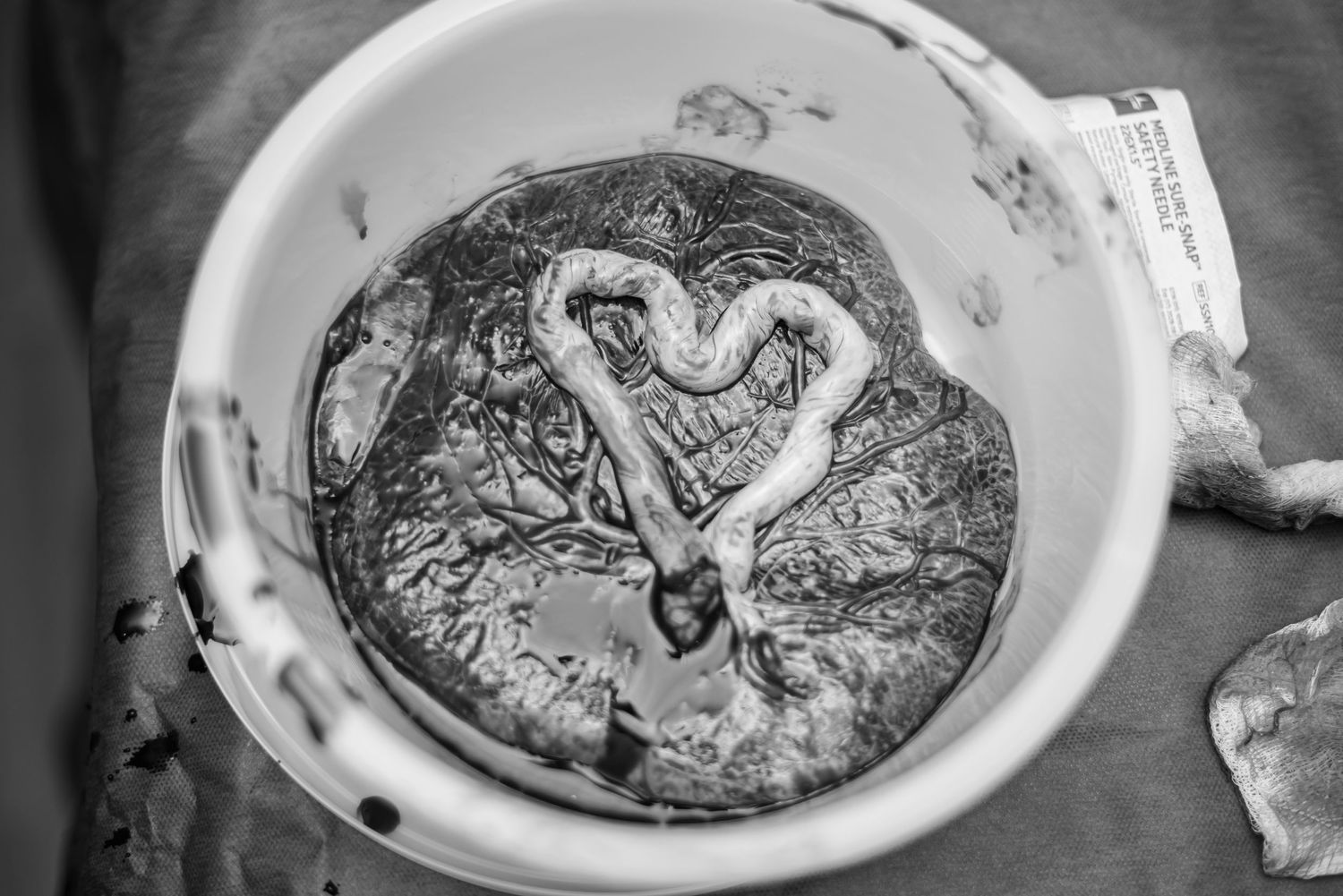
All information has been written in collaboration with and reviewed by the birthing person. All stories and images are shared with verbal and/or written consent from the subjects.
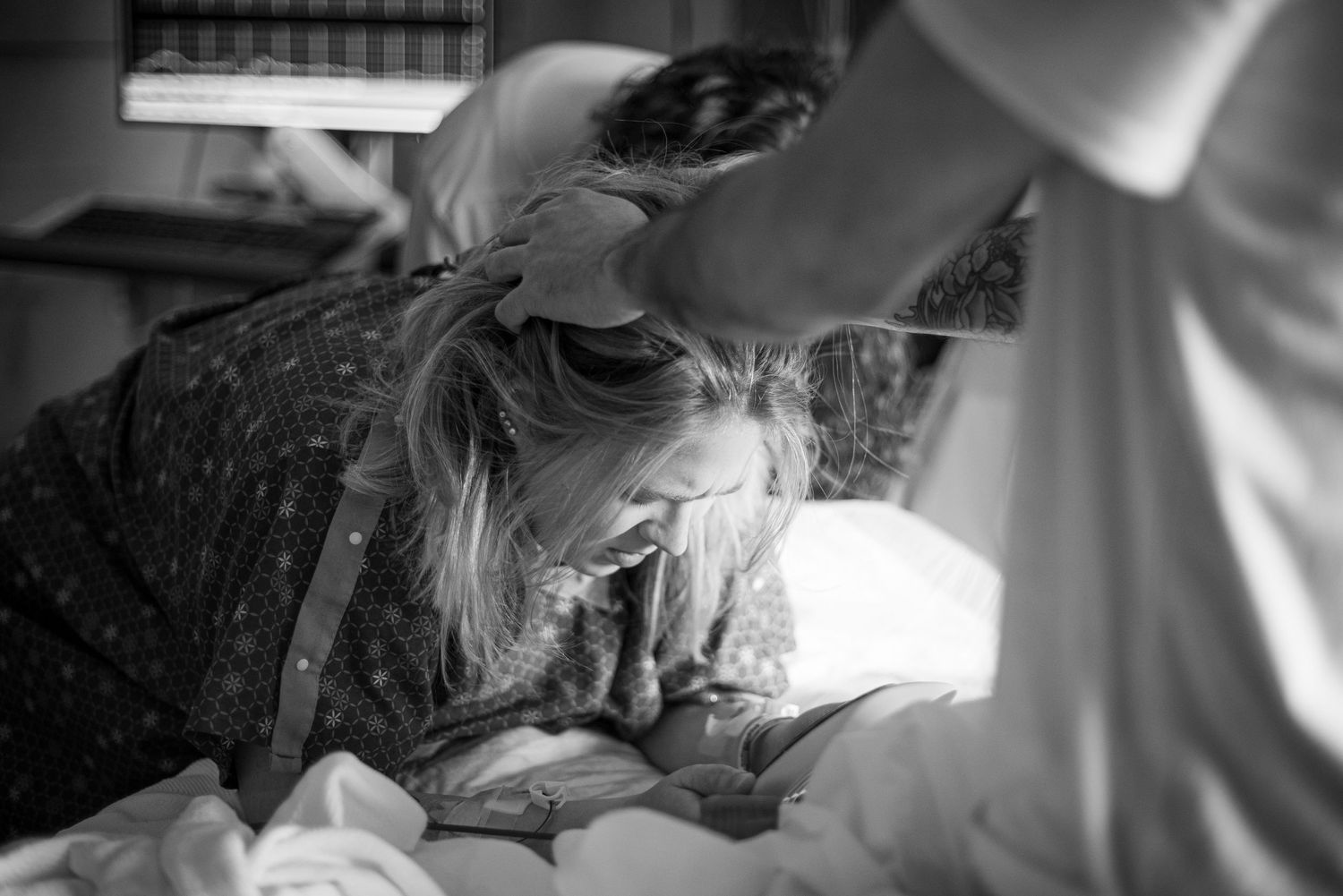
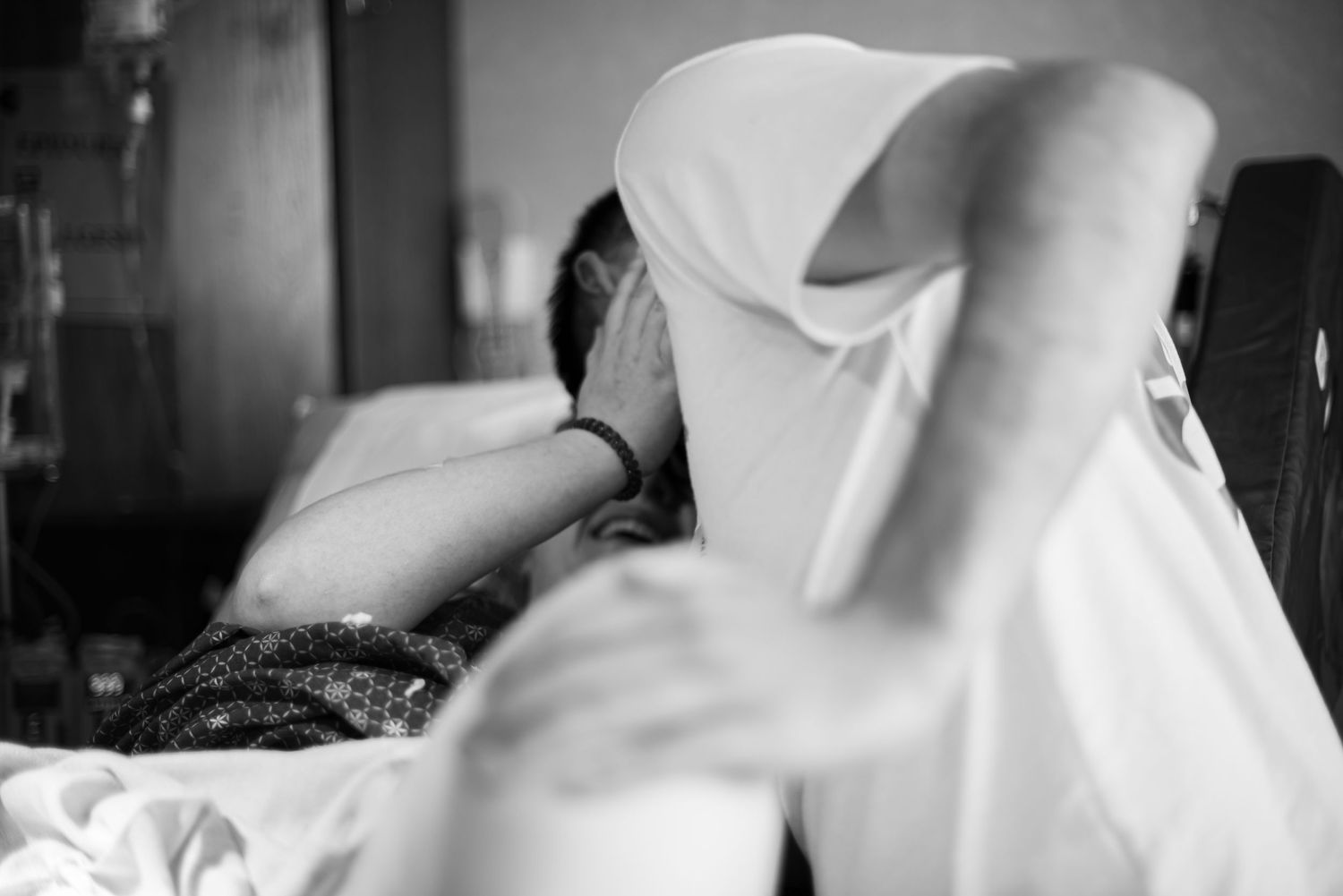
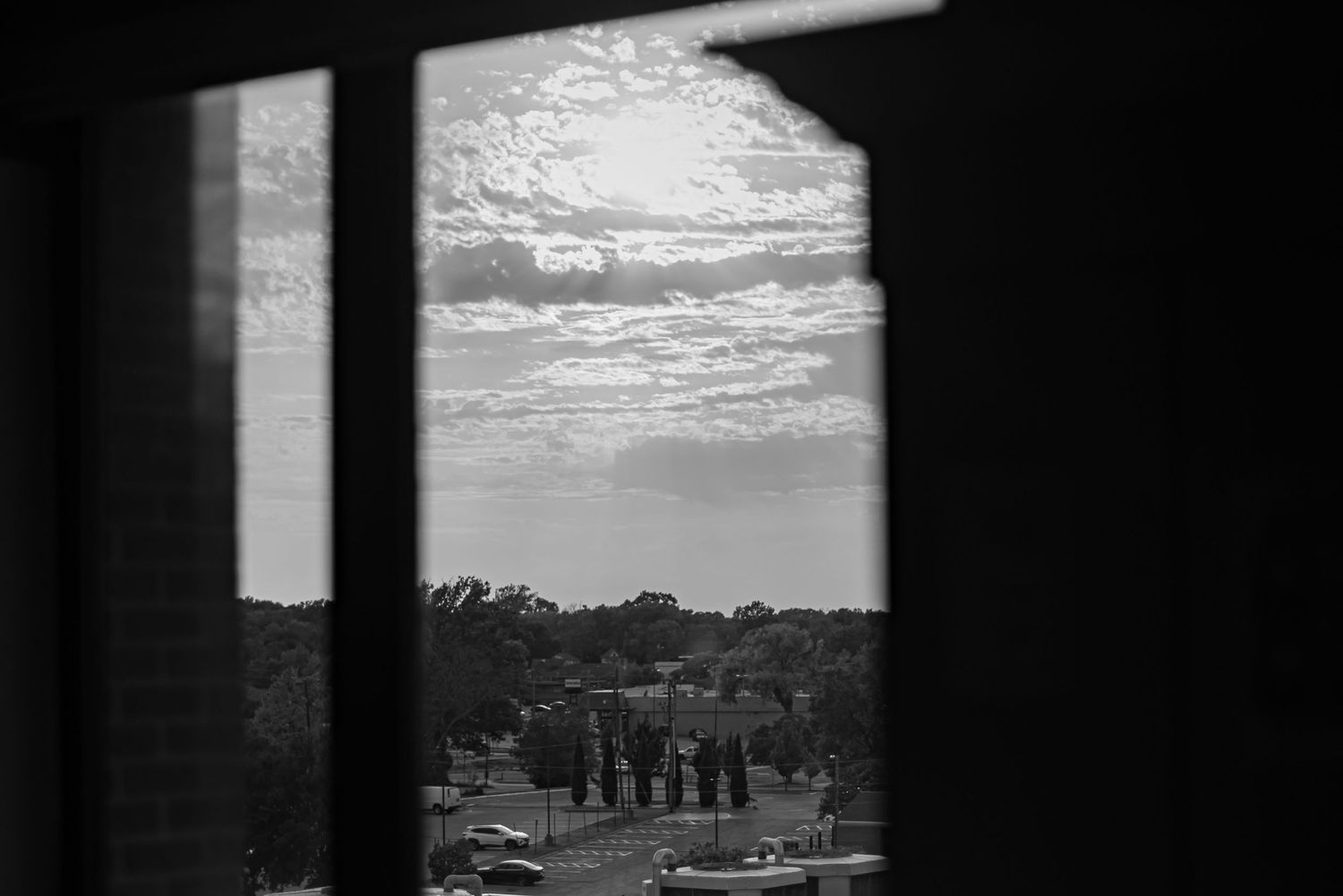
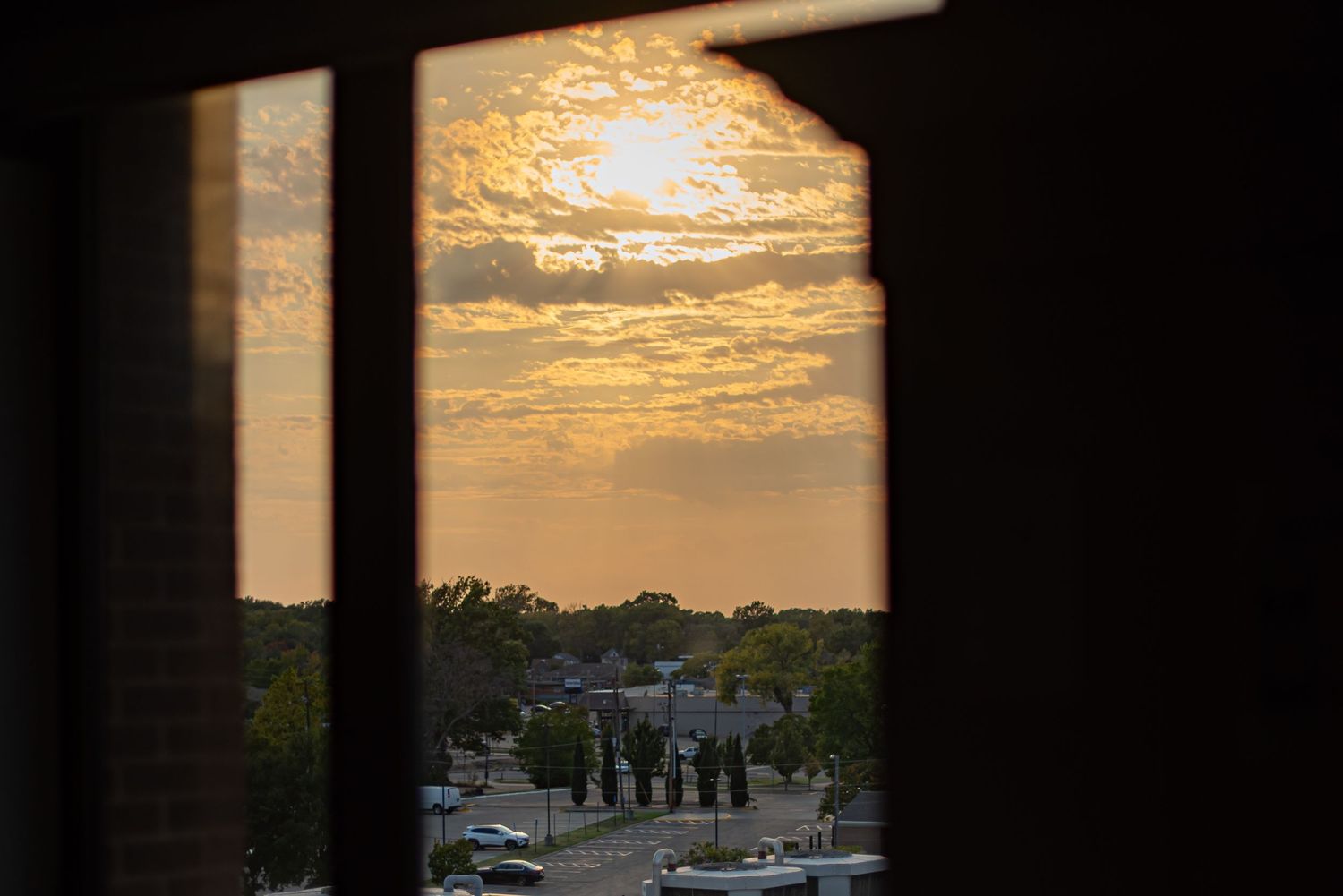
October 8th, the plan was an expected induction around the 20th. October 9th, things "got a bit crazy" and Loren was undergoing an emergency induction for preeclampsia. I dropped everything and headed for the hospital. Only 35 weeks, fearful of the journey ahead, Loren was ready. When I arrived at the hospital, the room was alive with quiet anticipation, a space filled with the hum of monitors, the rhythmic beeping of machines, and the steady breath of a mother on the precipice of meeting her child. As I lifted my camera, I framed the scene—the golden glow of the late afternoon sun slipping through the blinds, falling gently over Loren’s face. Her expression, a delicate balance of exhaustion and determination, told a story all its own.
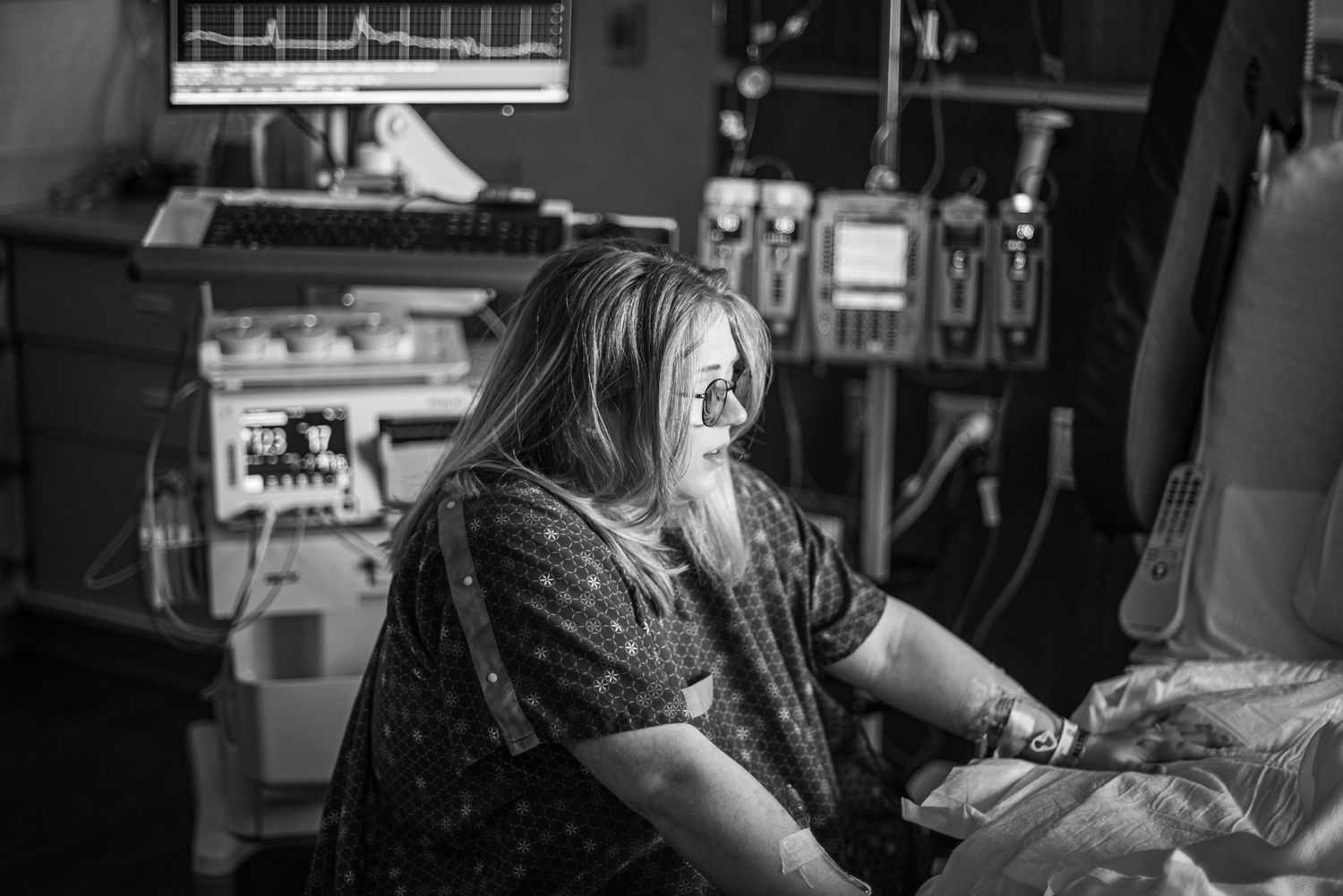
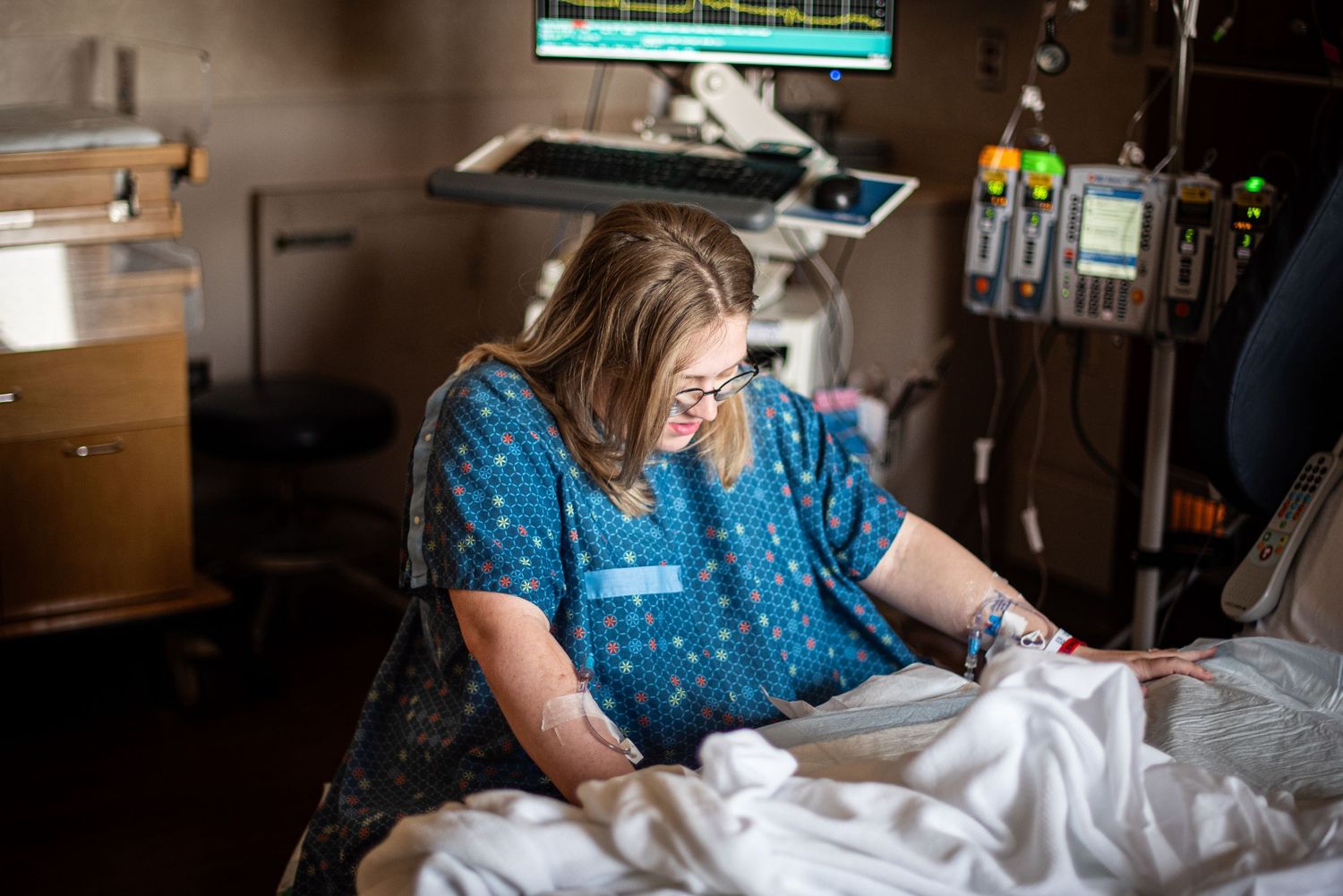
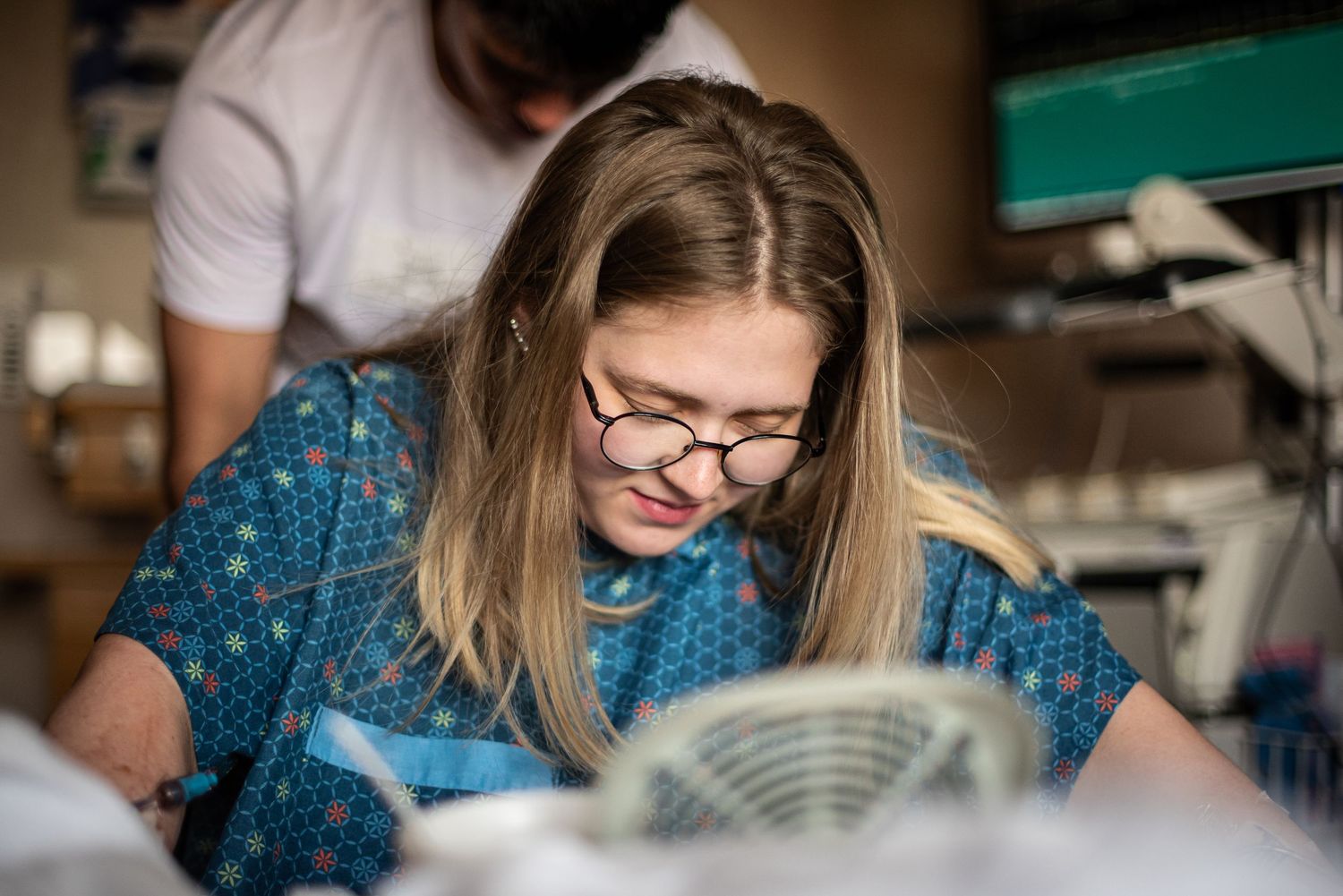
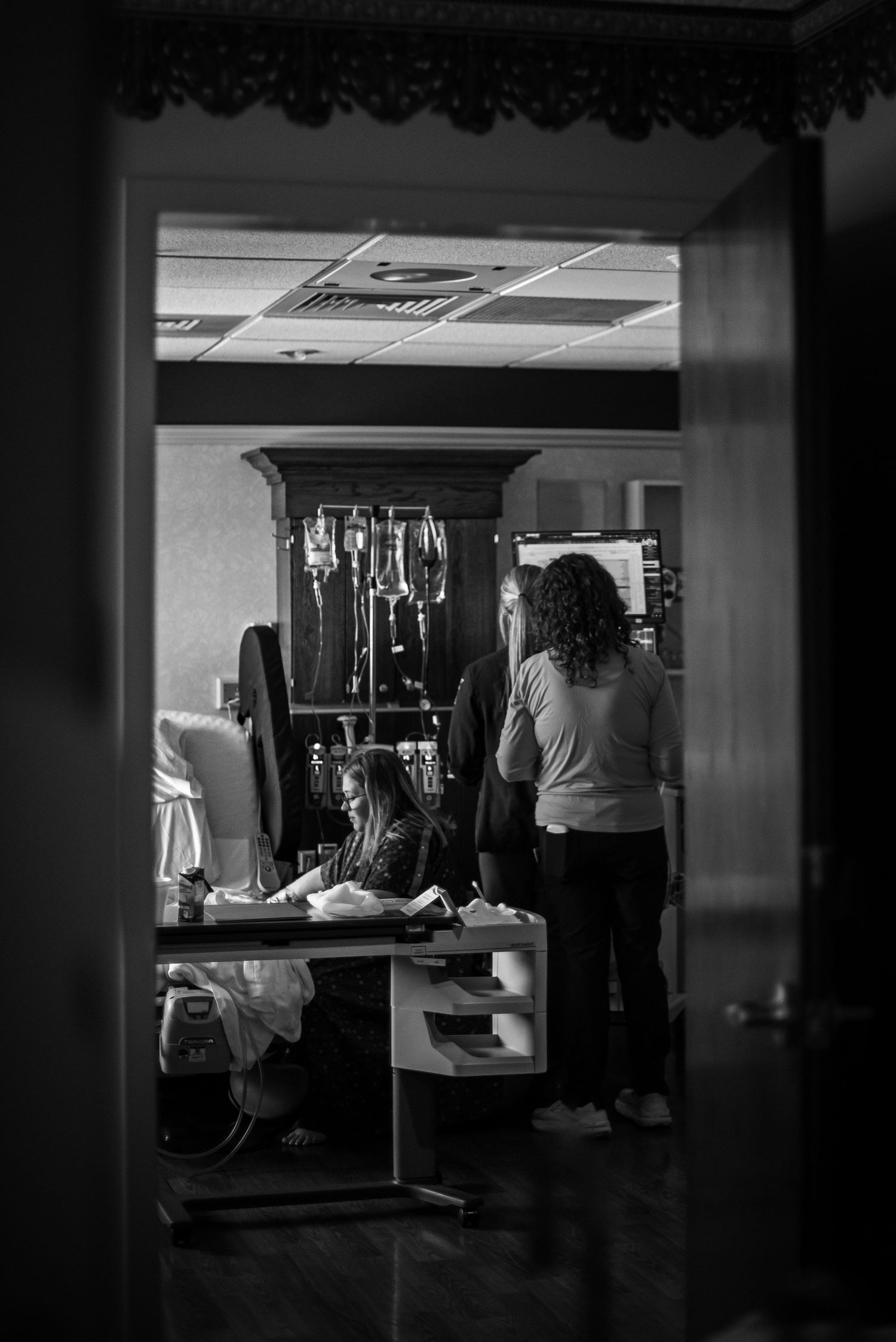
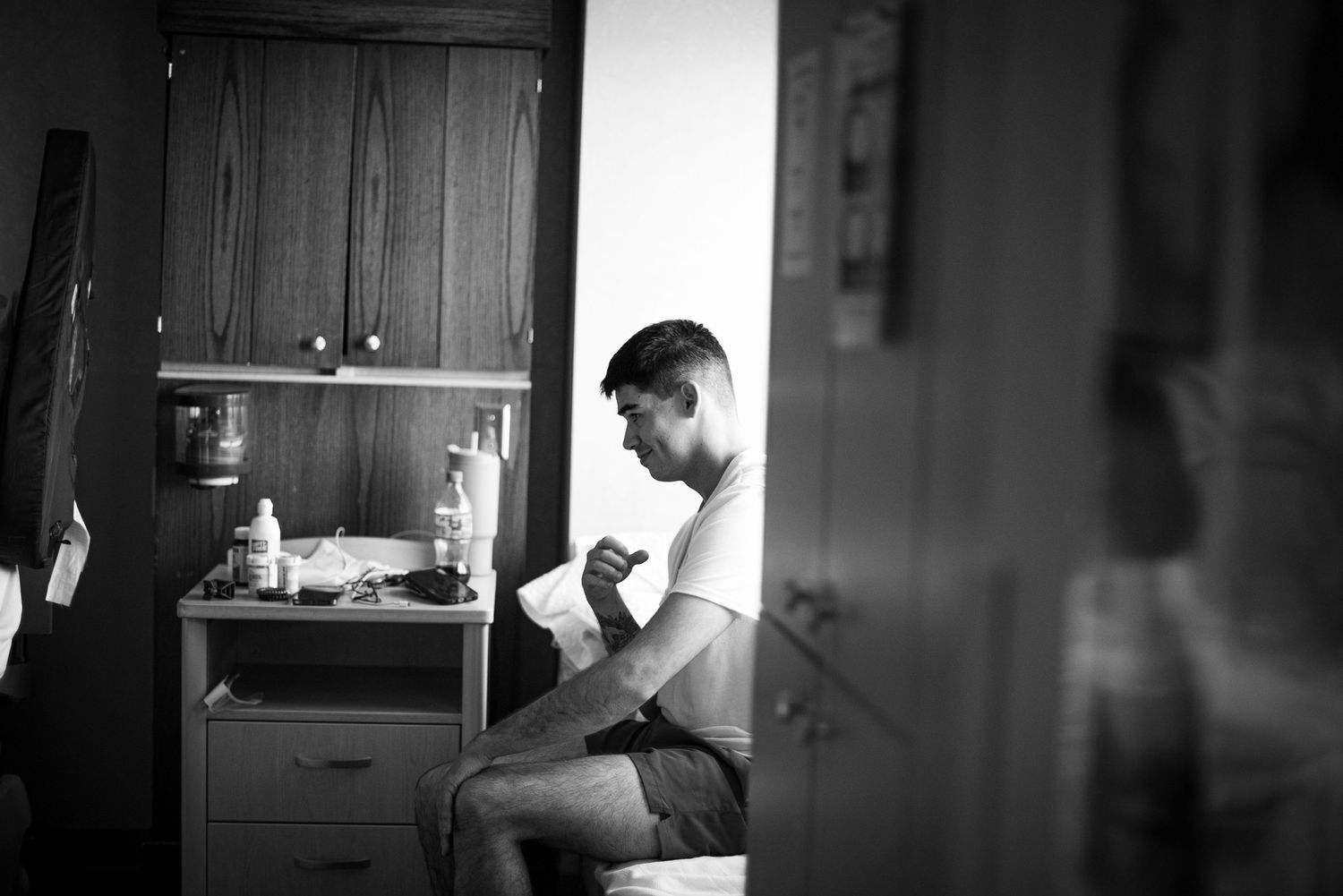
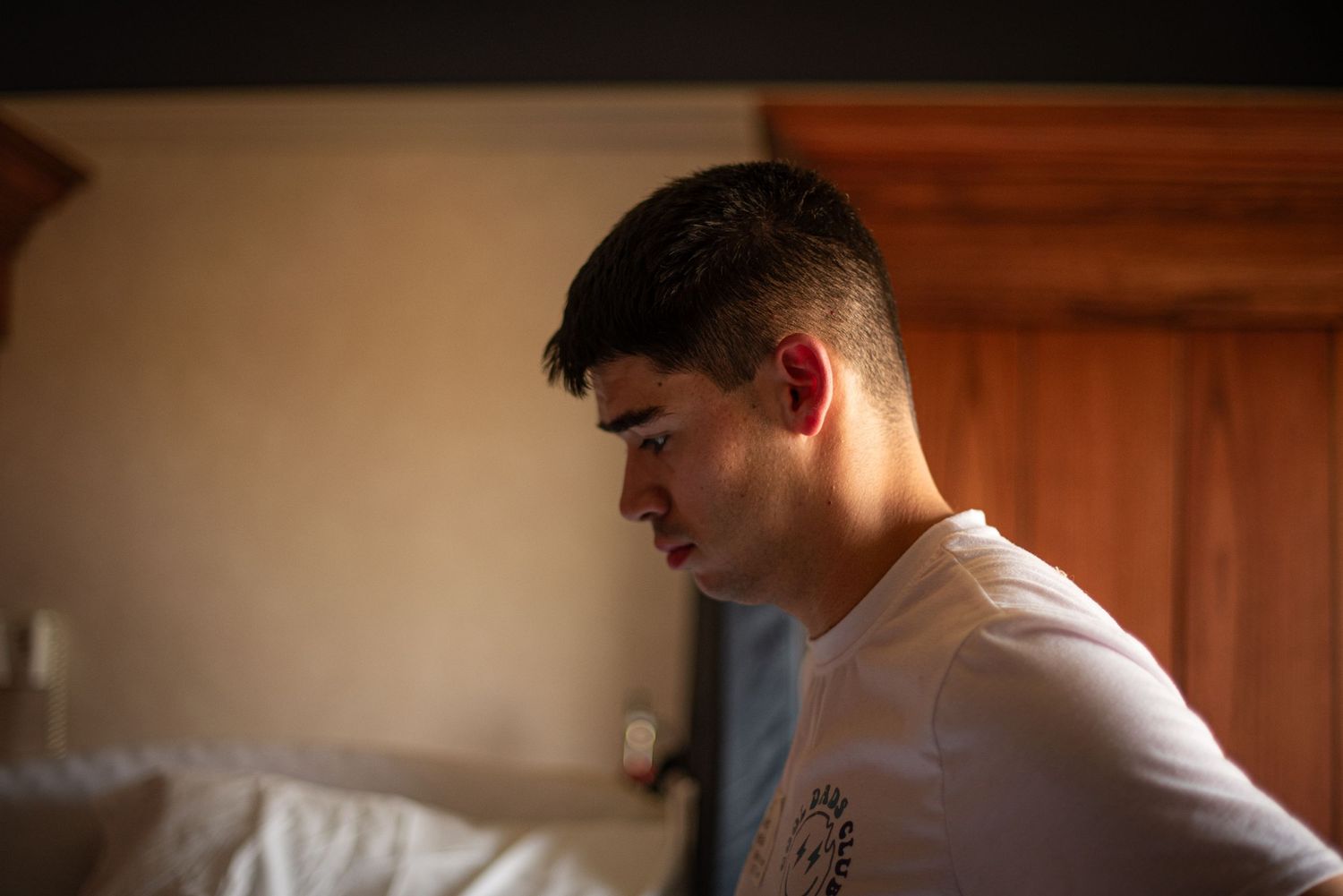
She had arrived at the hospital with elevated blood pressure, diagnosed with preeclampsia at just 35 weeks and 4 days. The weight of those words lingered in the air, a reminder of the unpredictability of birth. At 11 p.m., induction began with Cytotec, the first signal to her body that it was time. I documented the stillness of the room in those early hours—the soft glow of monitors, the careful hands of the nurses, the way Tony, her husband, never strayed too far from her side.
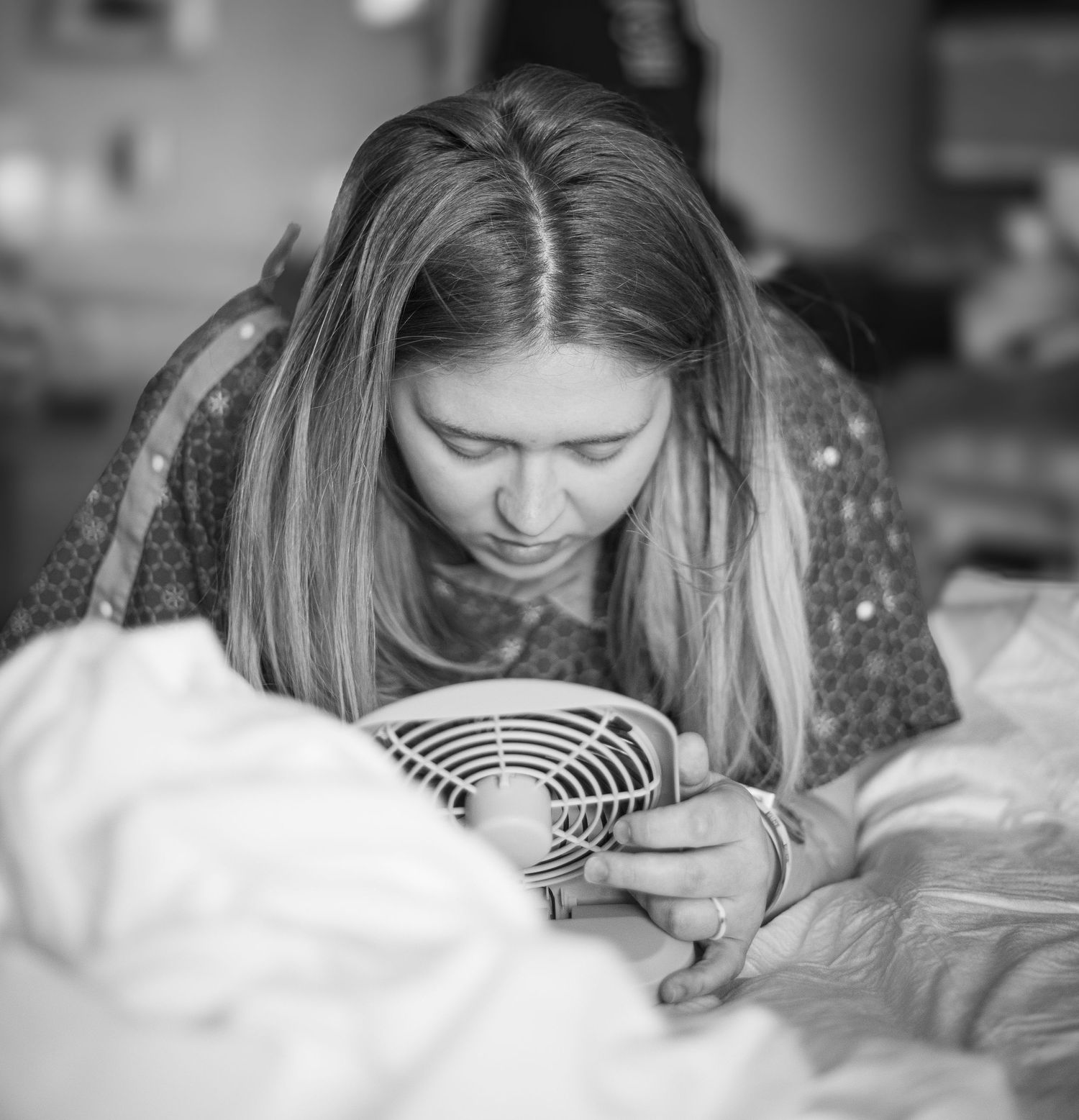
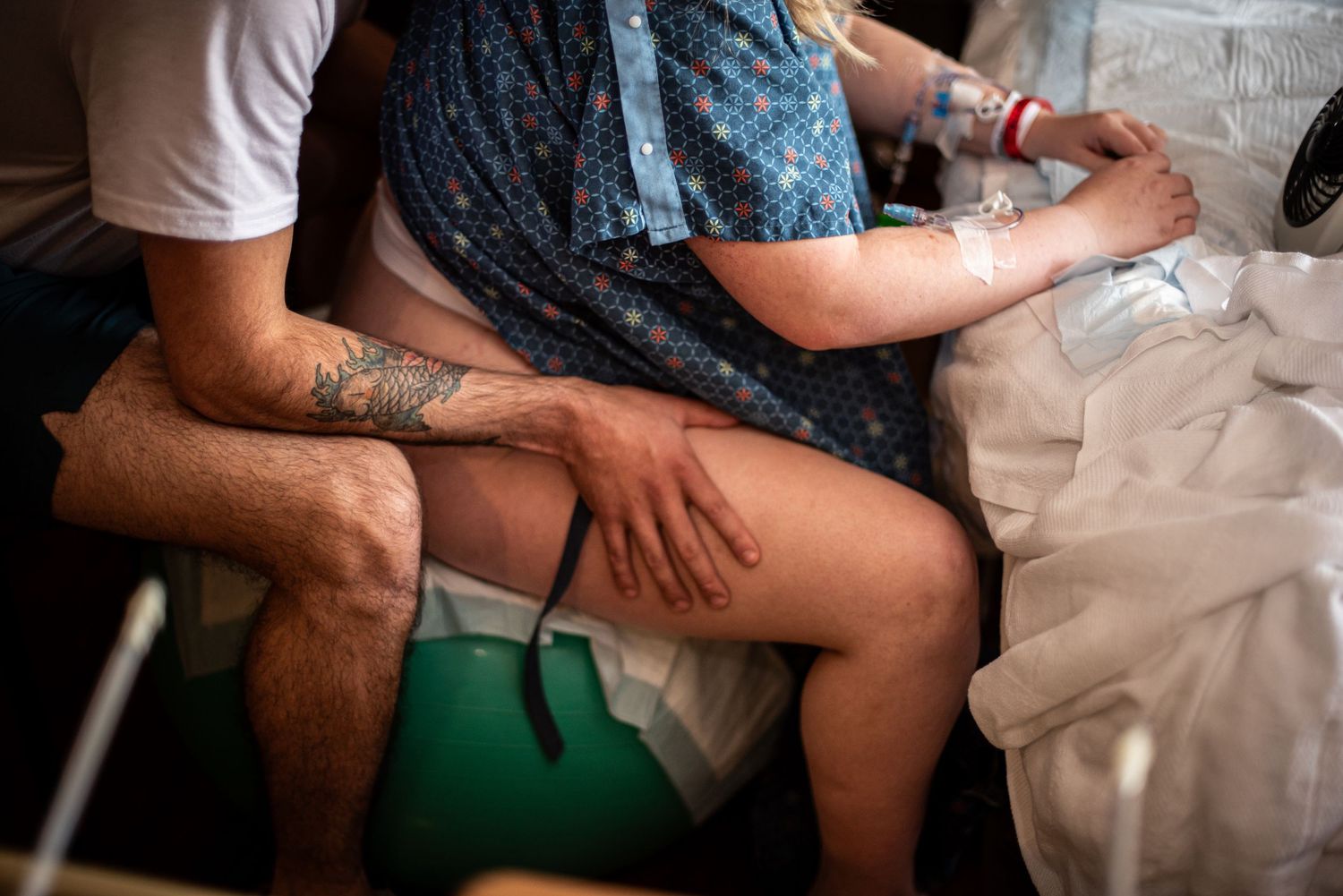
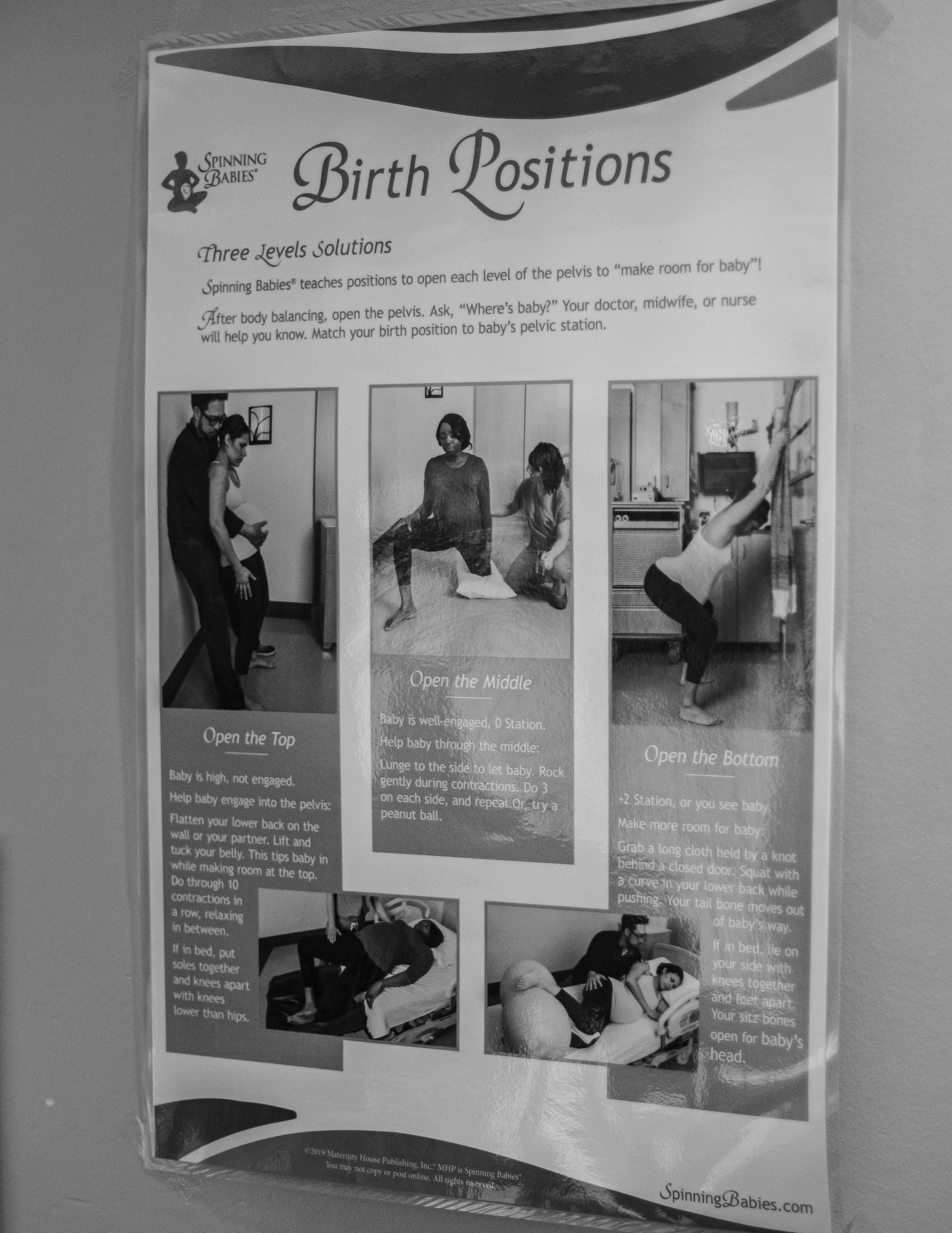
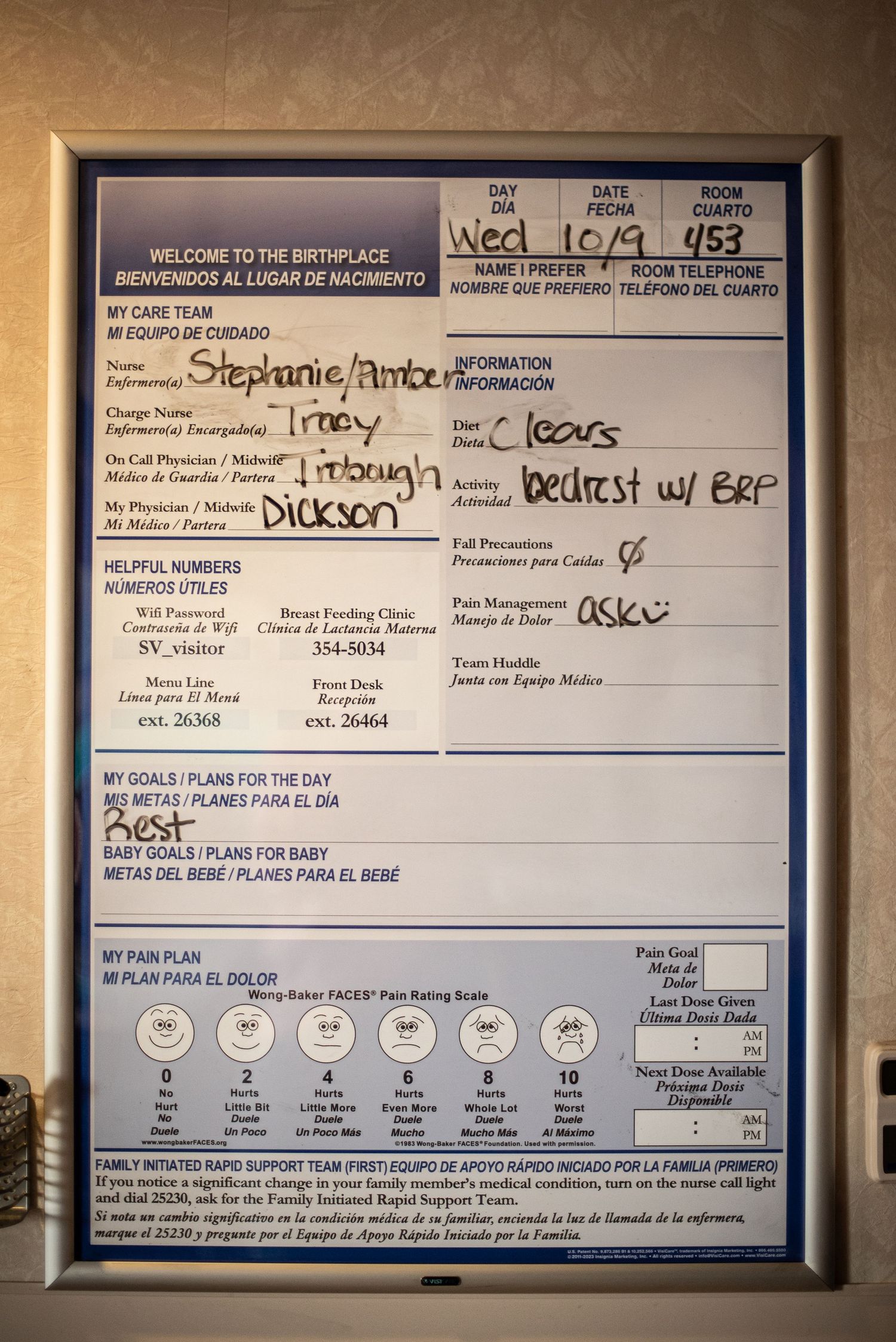
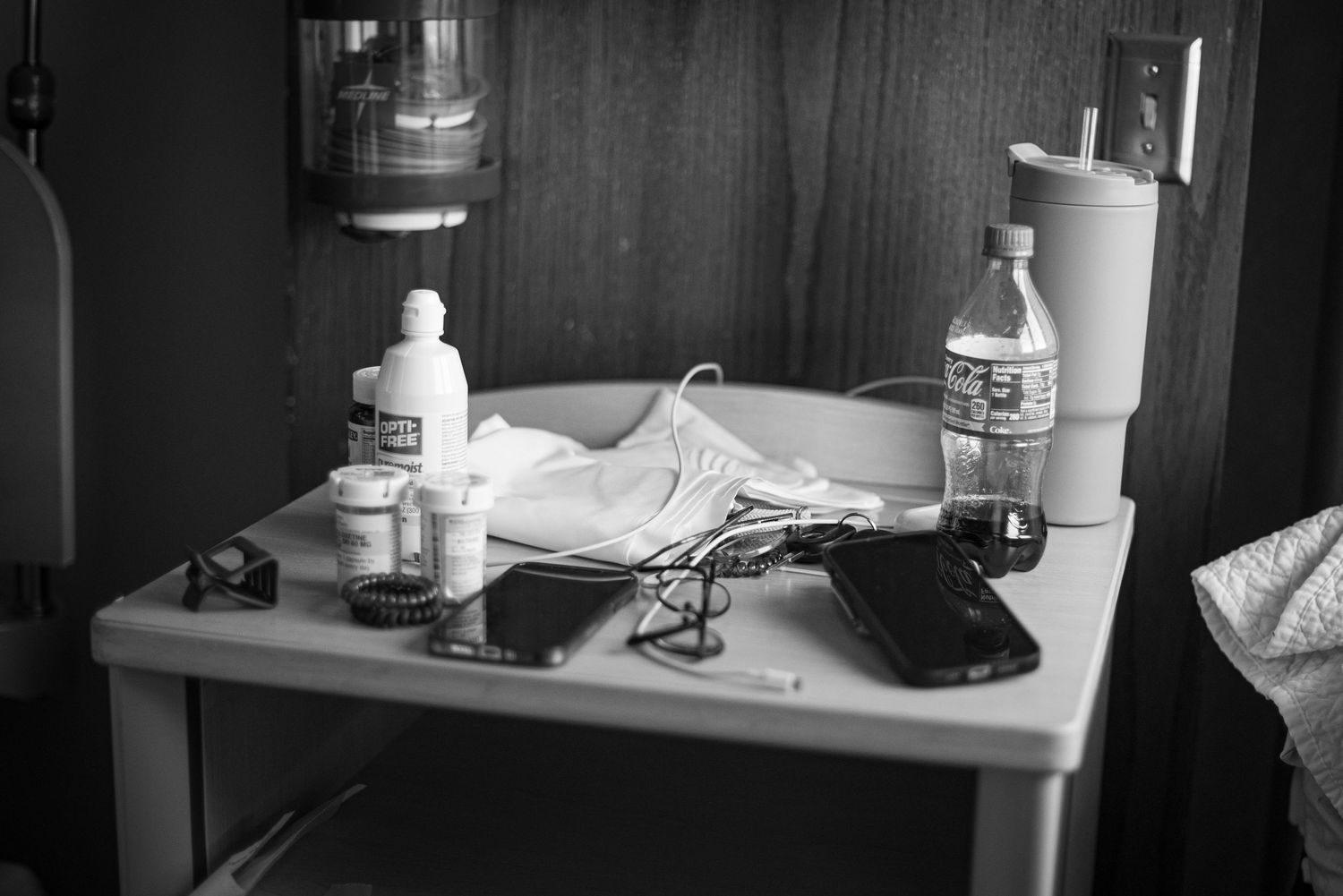
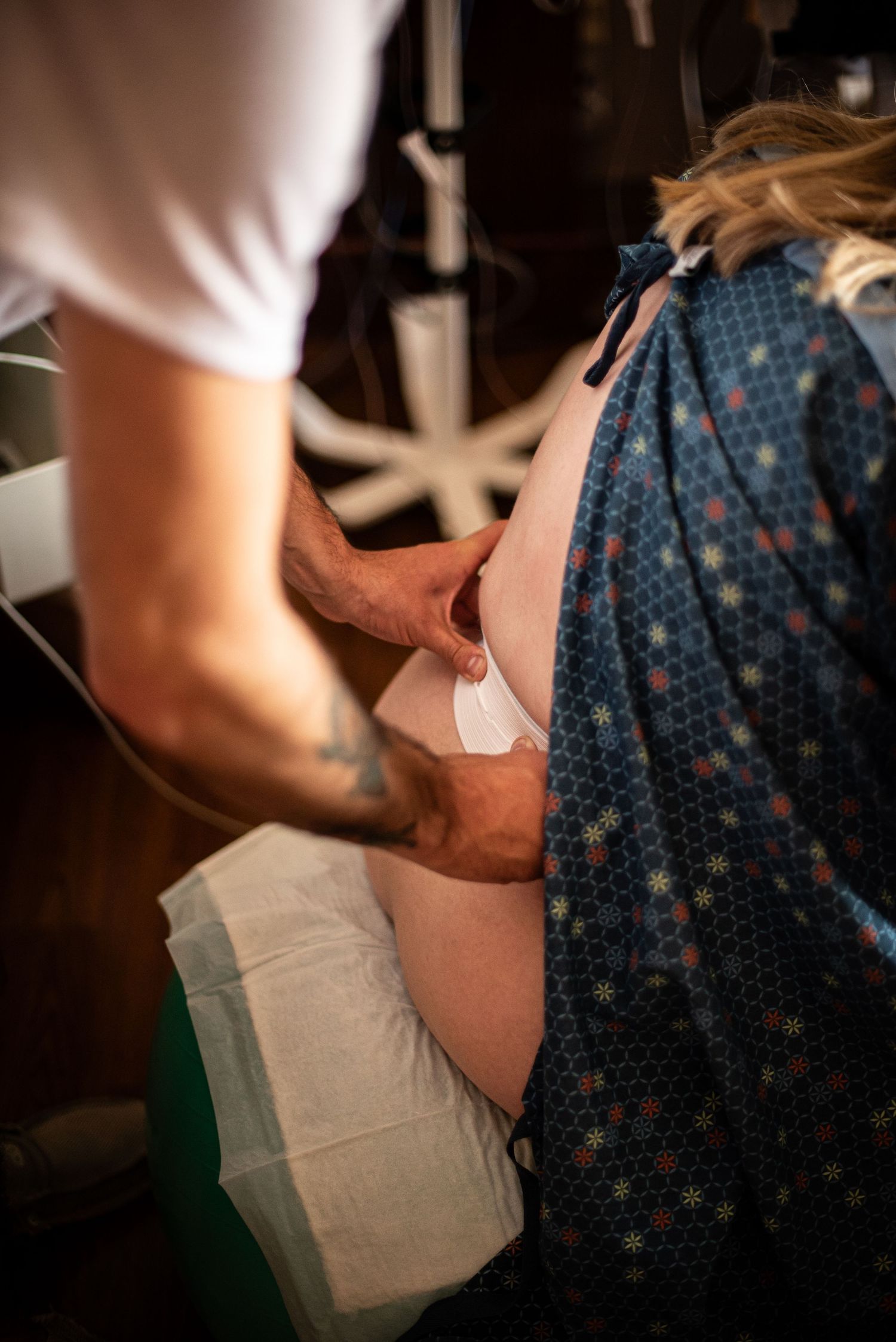
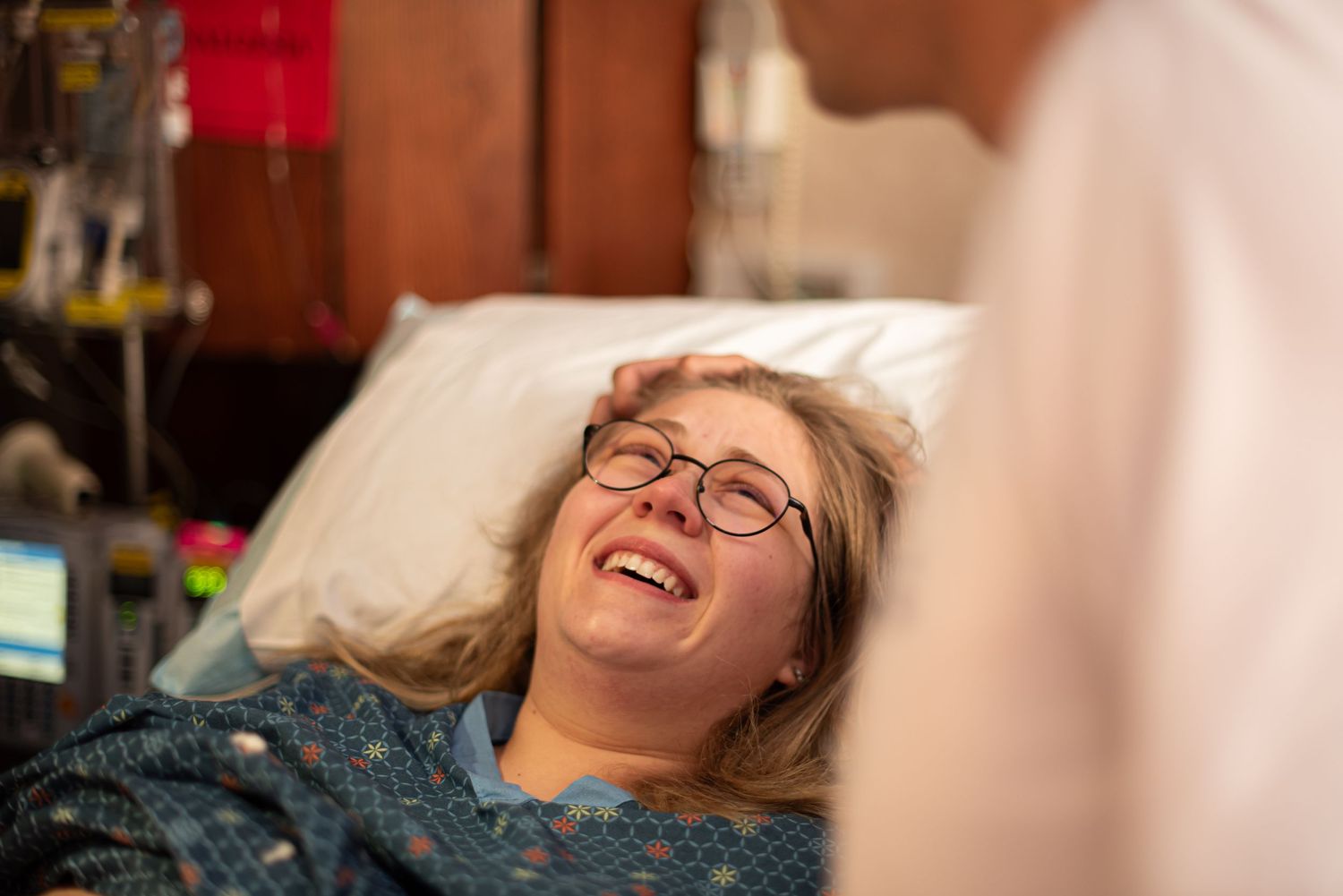
By morning, the energy had shifted. The quiet expectancy had given way to the steady pulse of labor. At 9 a.m., Pitocin was introduced, and my shutter clicked as Loren laughed with the nurses, her strength visible even as contractions slowly built in intensity.
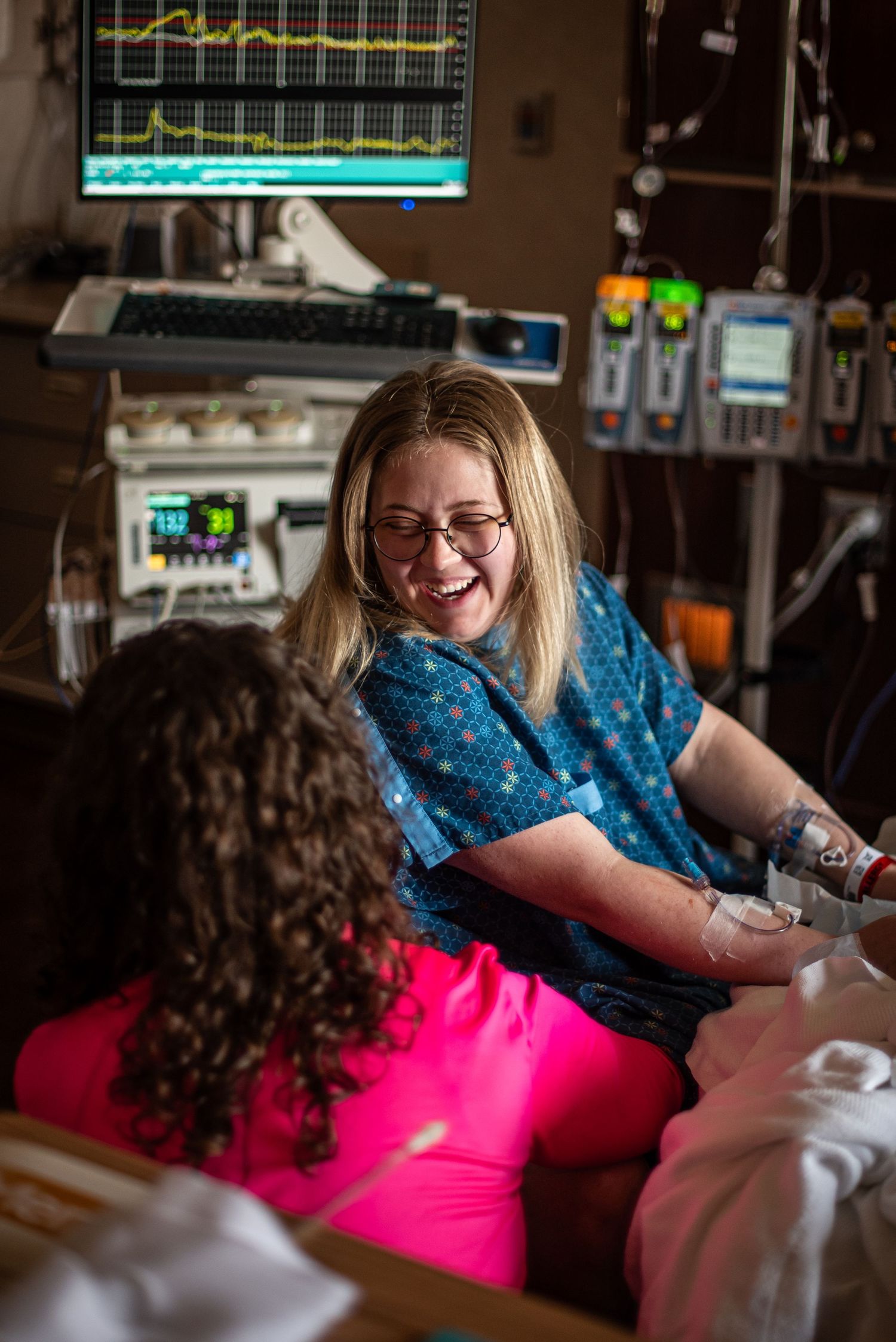
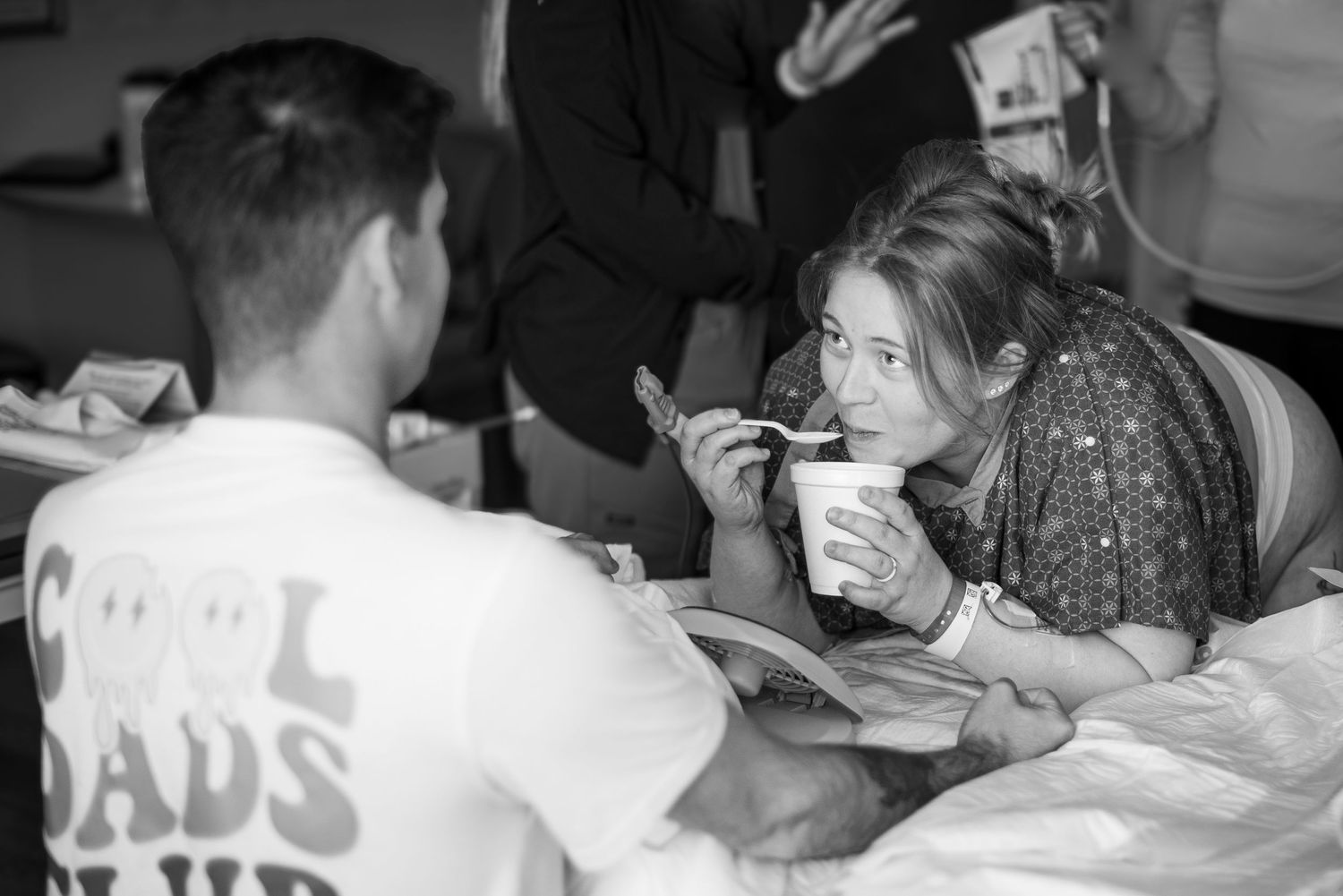
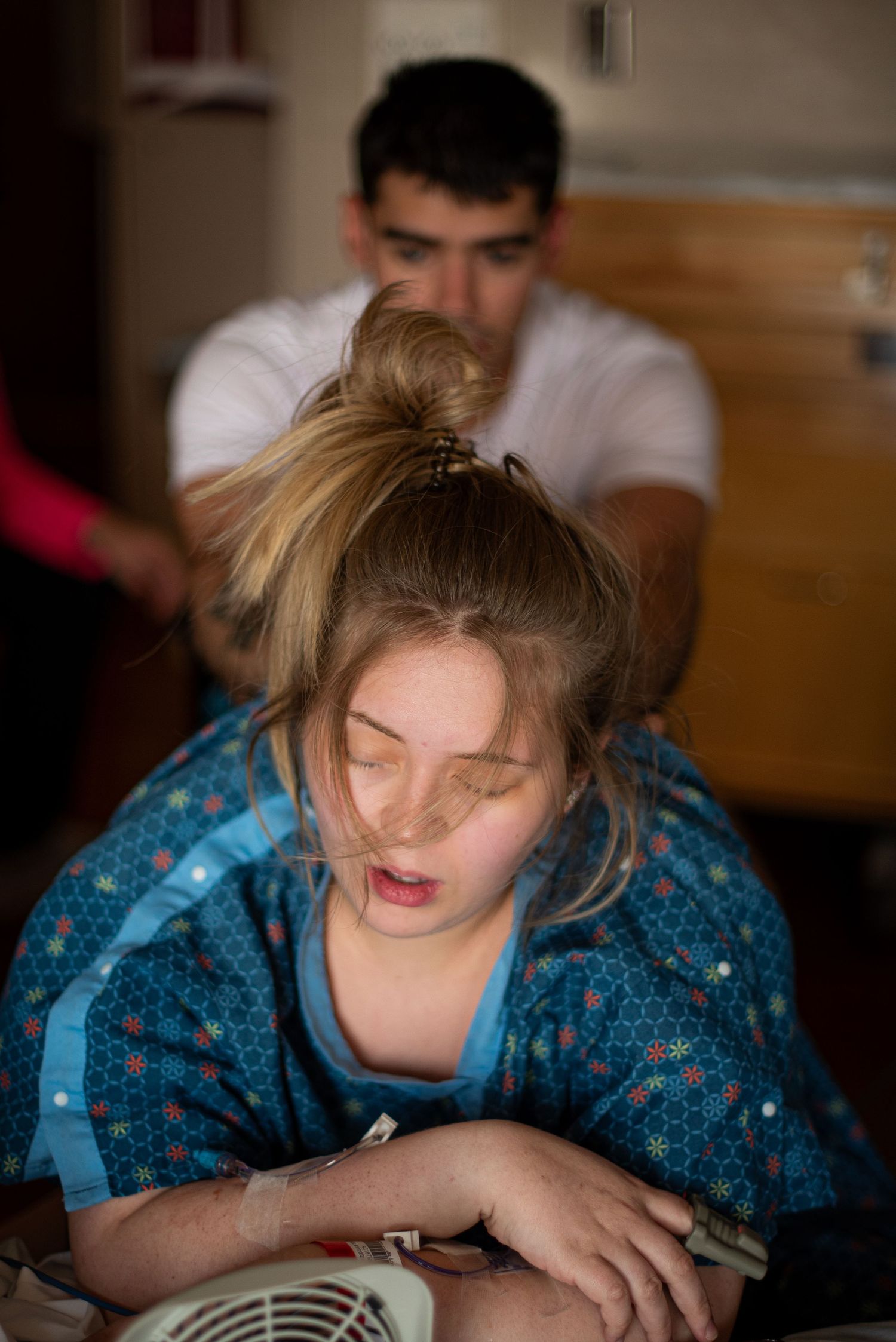
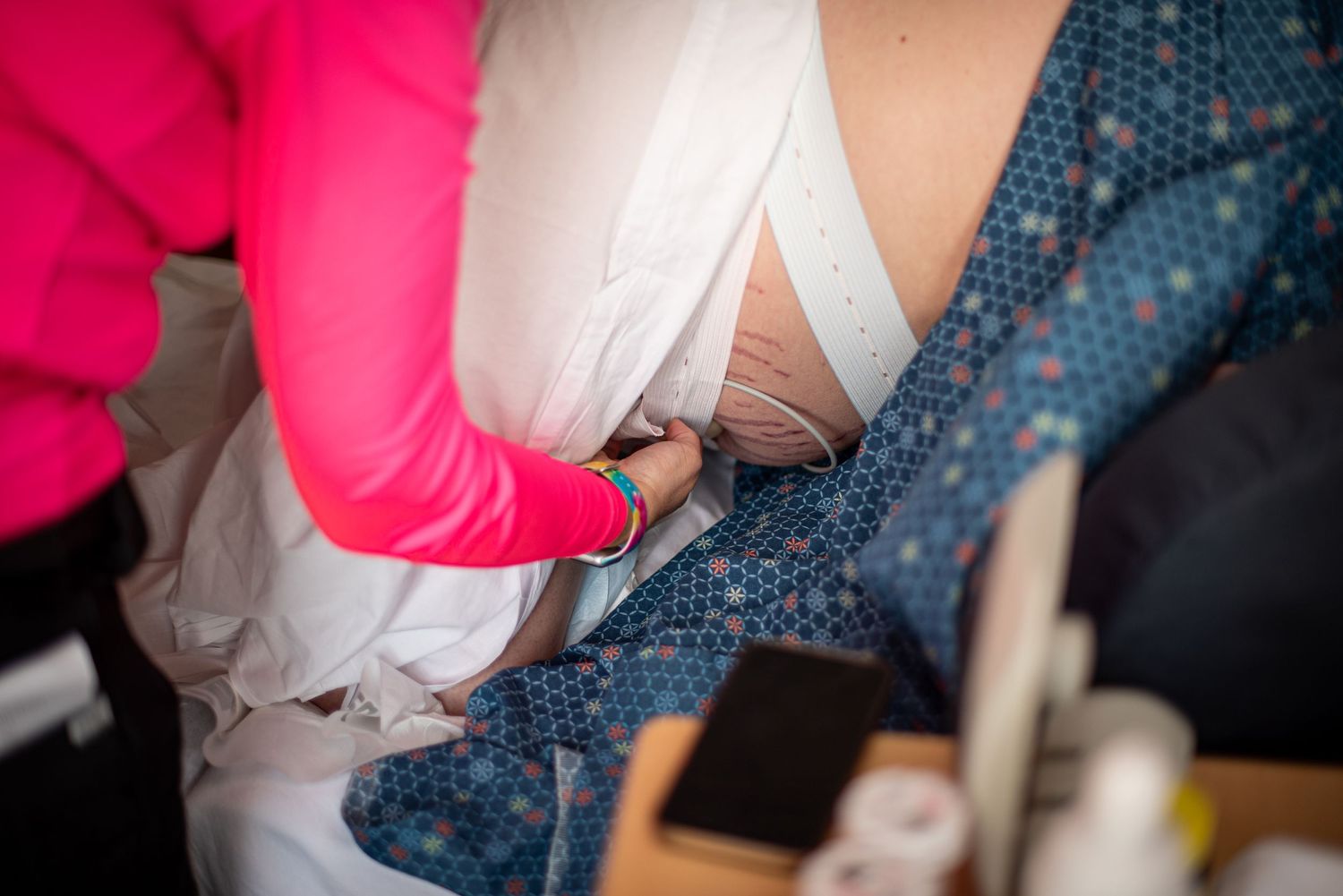
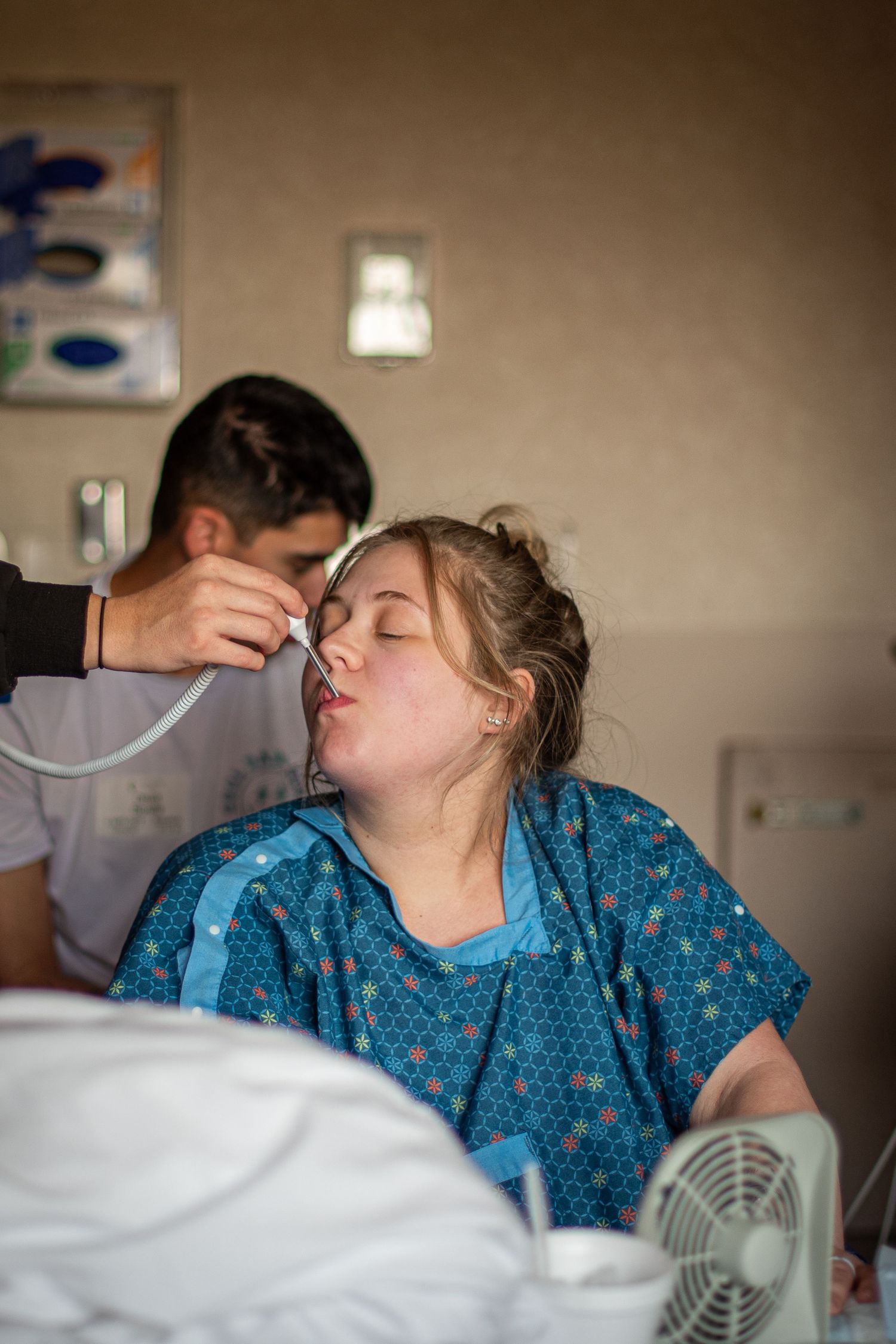
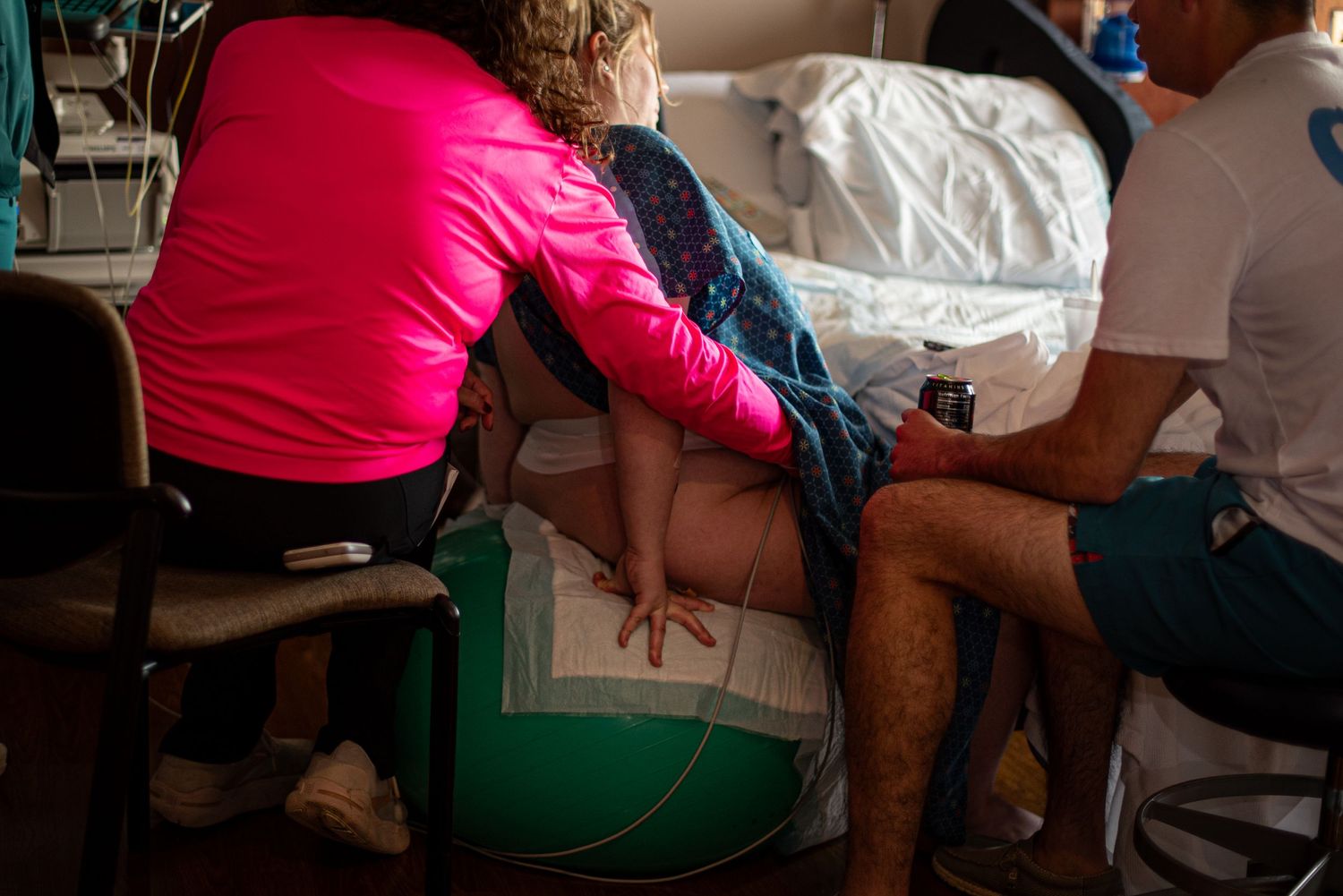
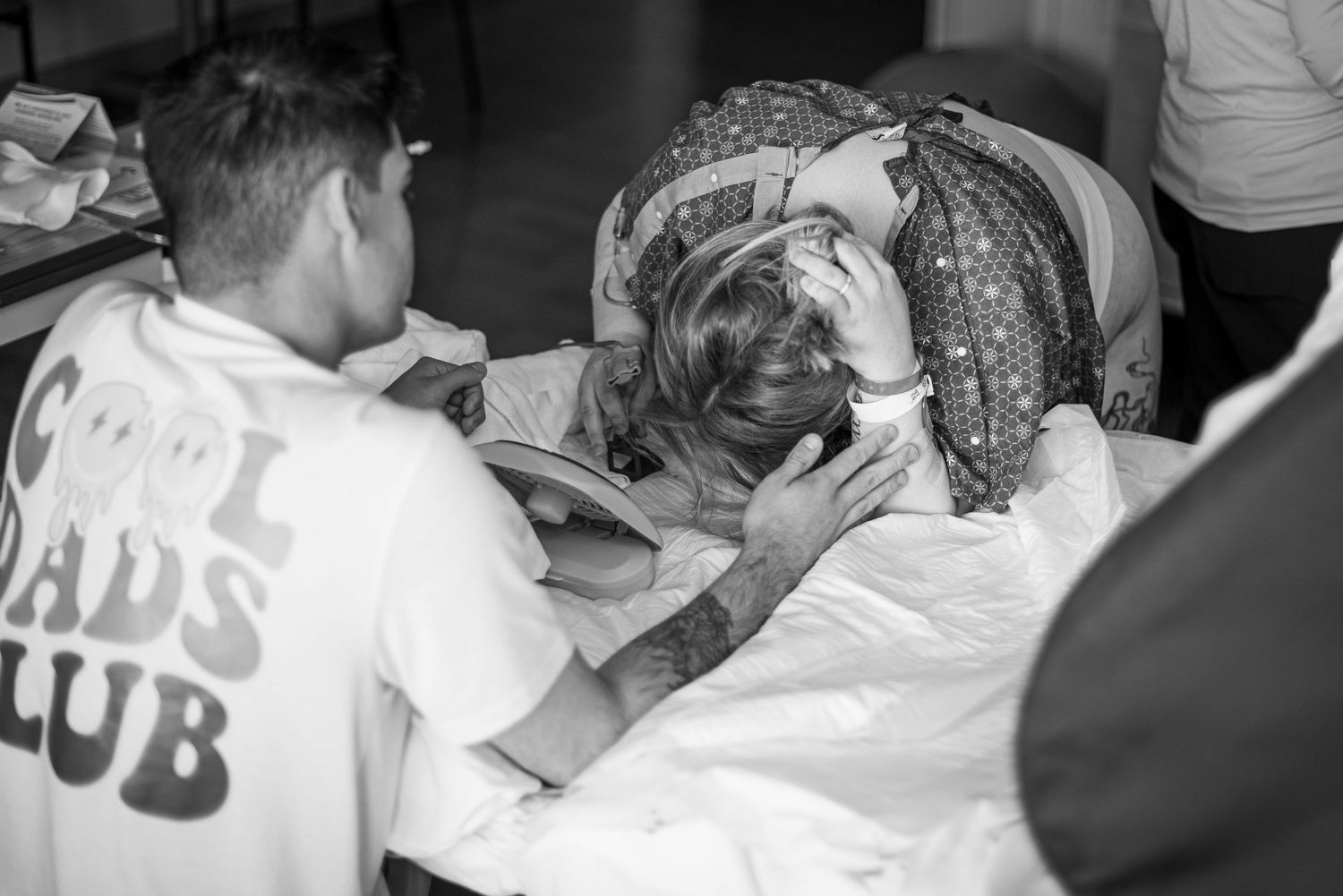
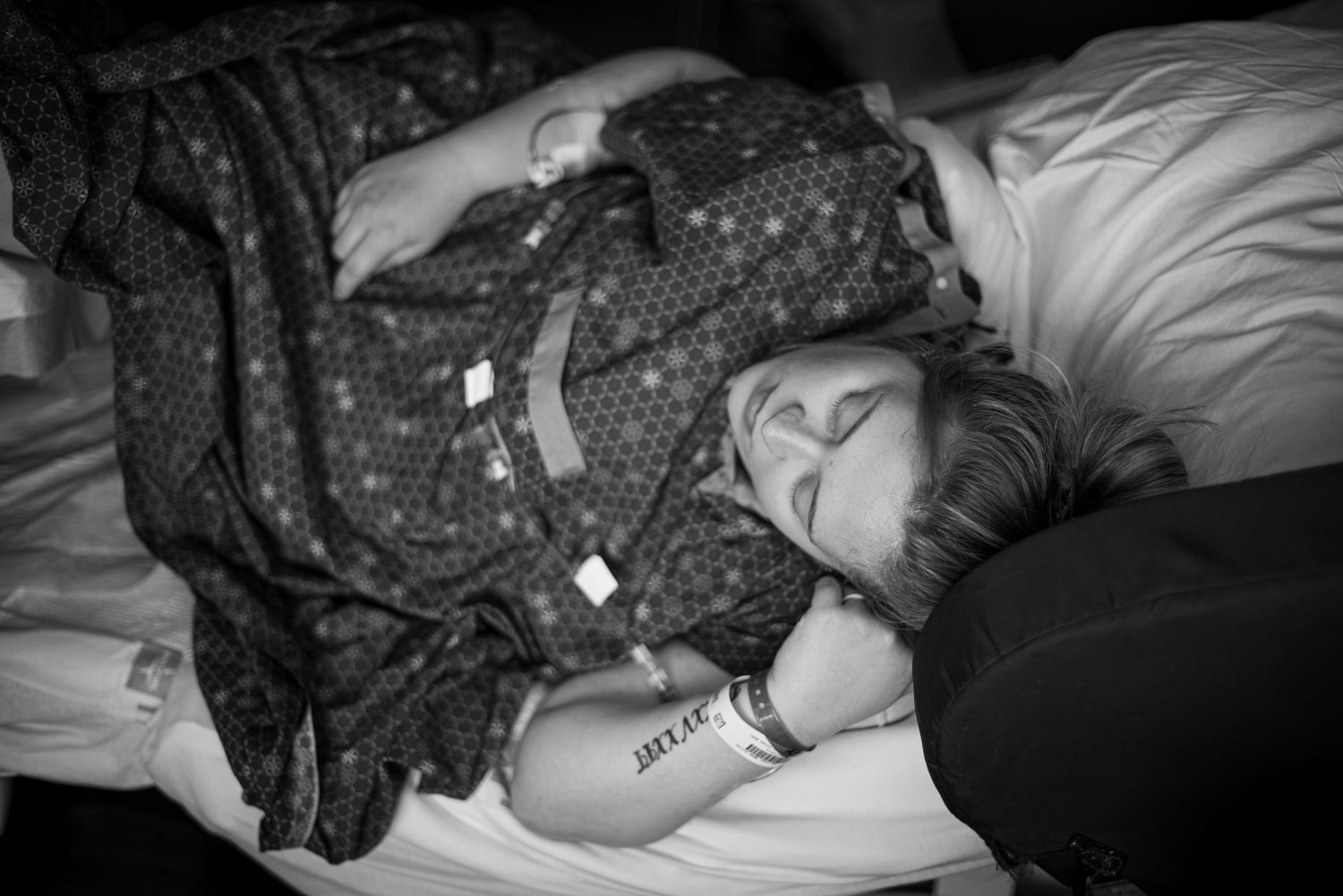
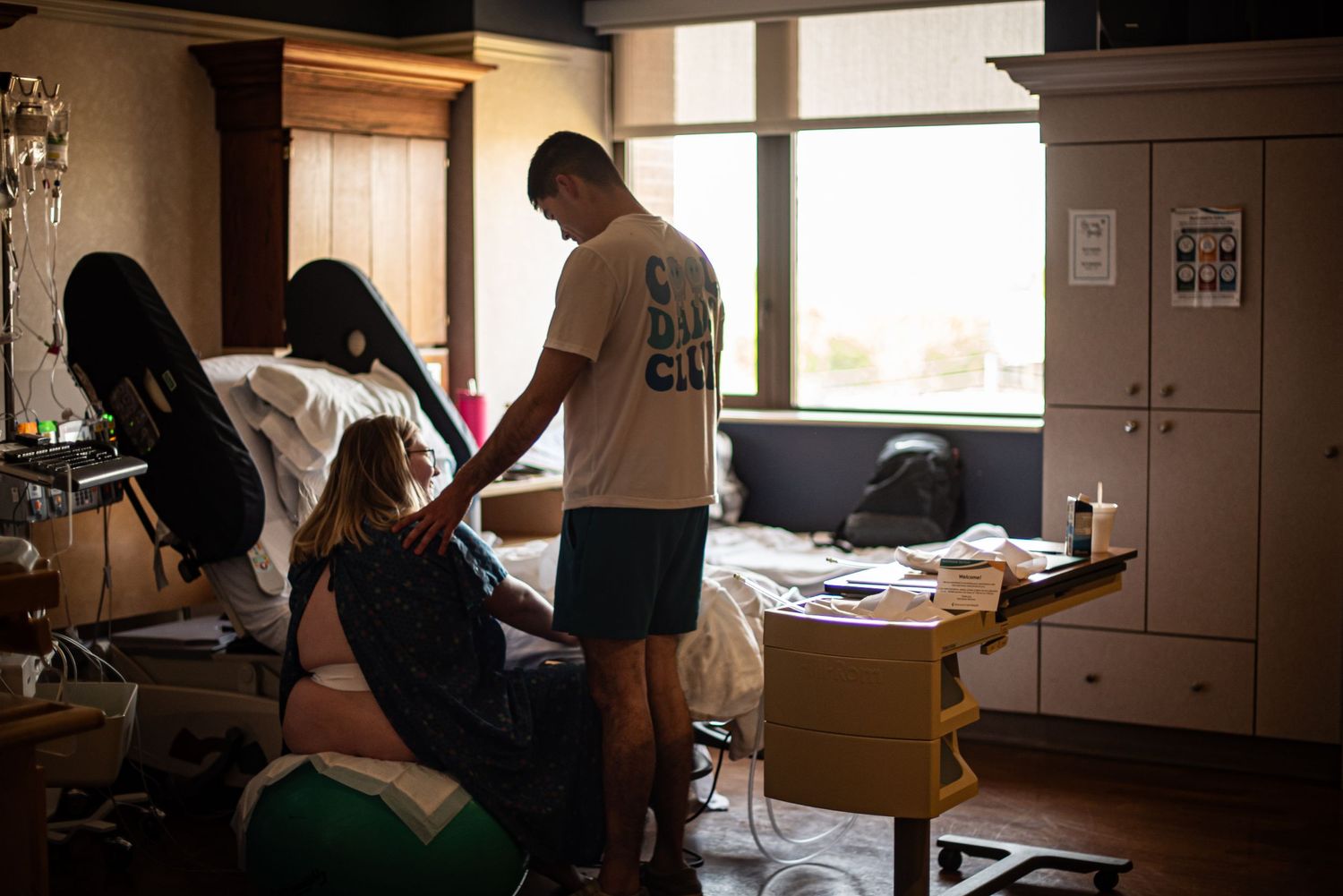
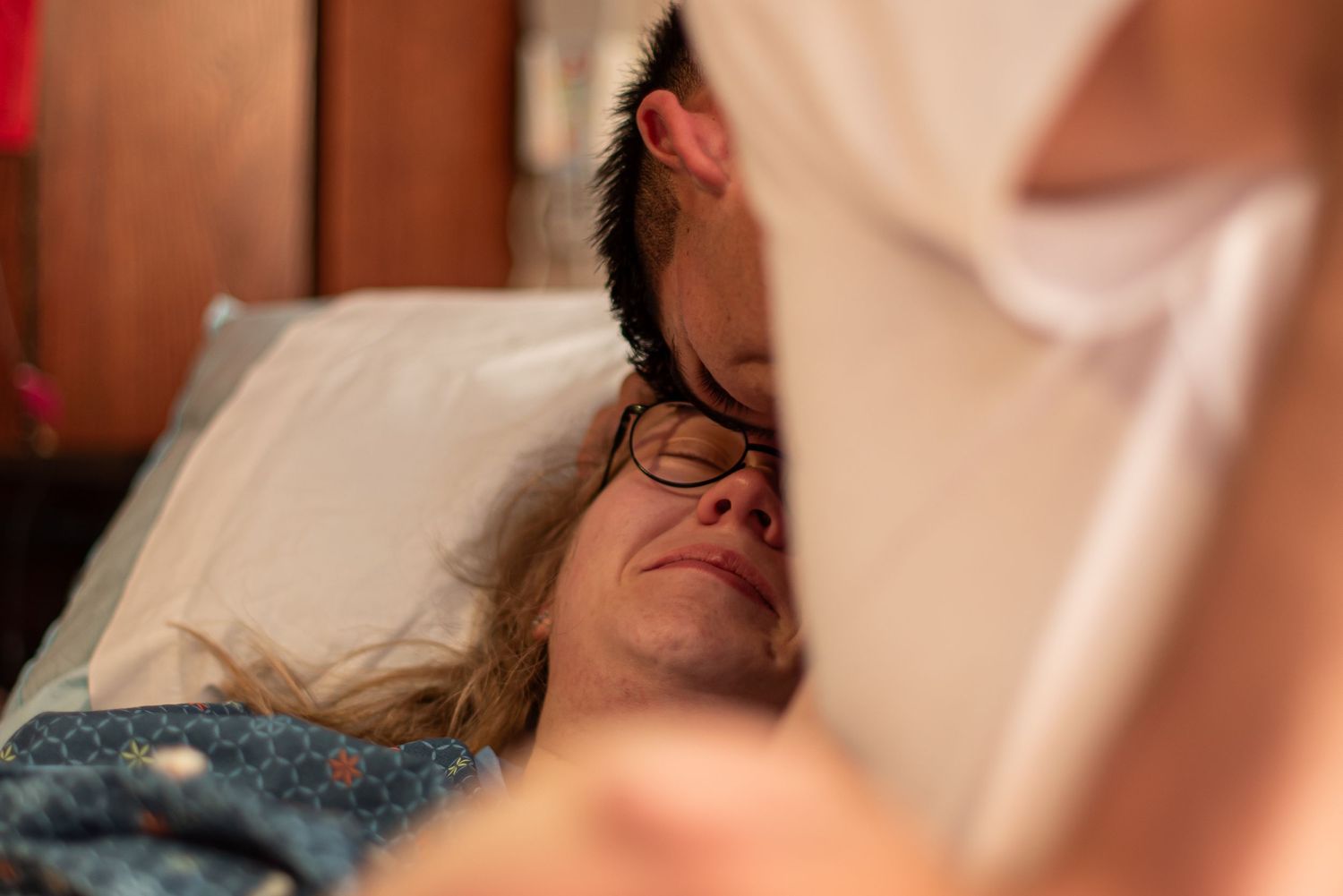
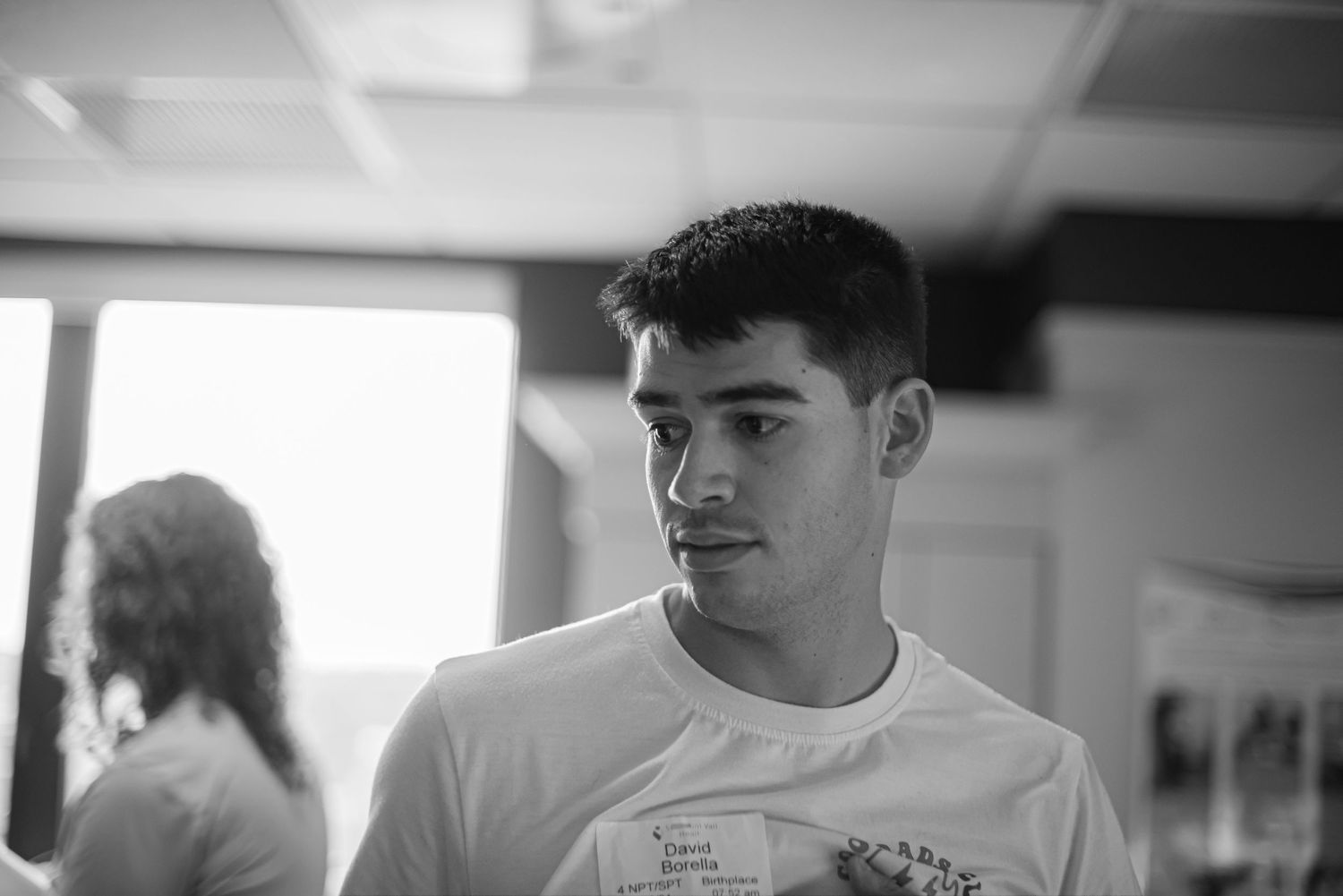
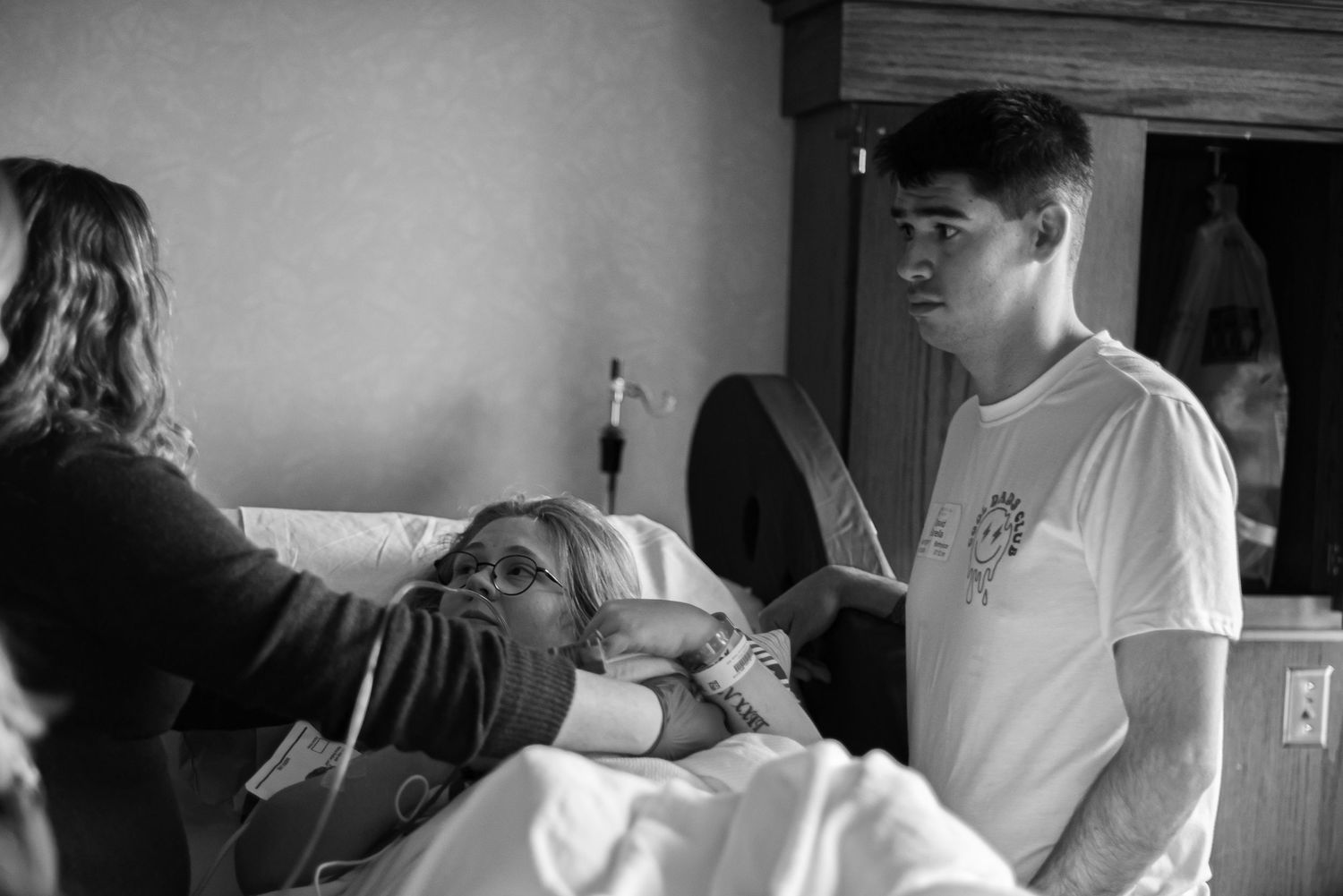
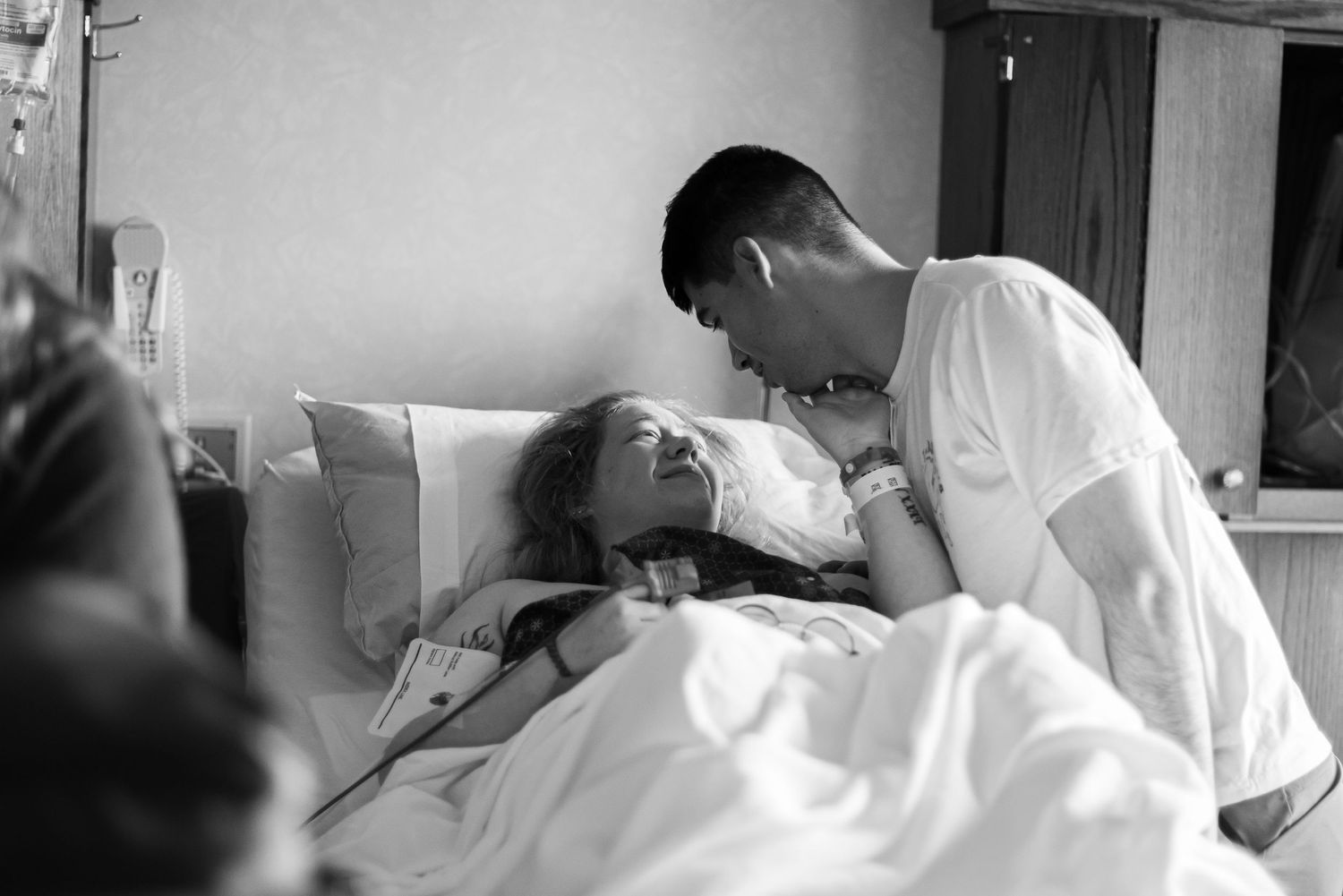
Through my lens, I watched her and Tony together, capturing stolen moments between the waves of pain. The way he adjusted the fan just right so she could feel a small burst of relief. The way he watched her, his face laced with love and the silent question, What more can I do? - But birth is never a straight path.

I caught the shift before words were spoken—the nurses’ movements becoming sharper, their eyes flicking toward the monitors. Samuel’s heart rate had begun to drop, and Loren’s blood pressure was creeping higher. The beeping of the machines filled the room, and I lowered my camera for a moment, watching as the space filled with tension. But then, in a breath, the wave passed. The nurses soothed, adjusted, reassured.
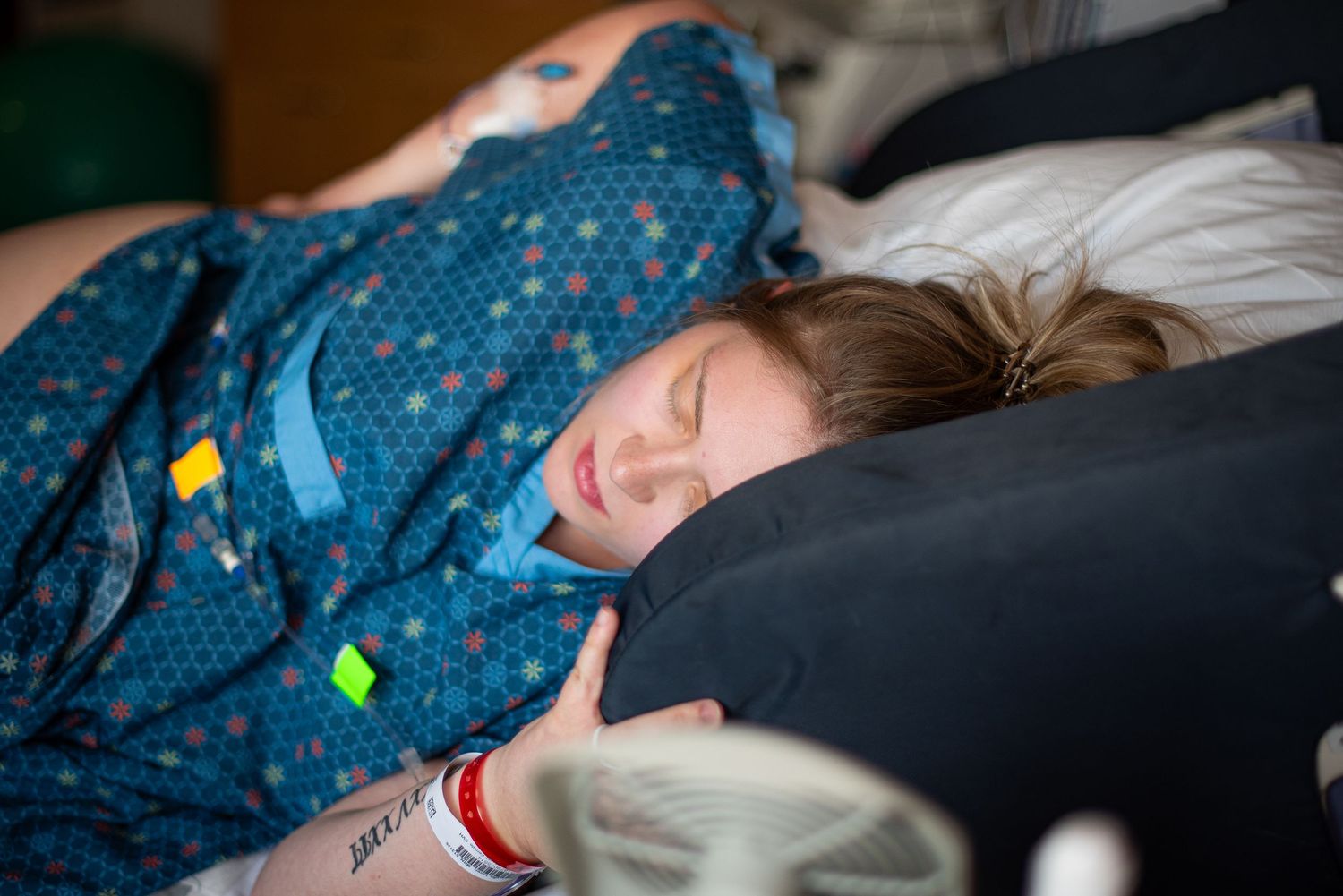
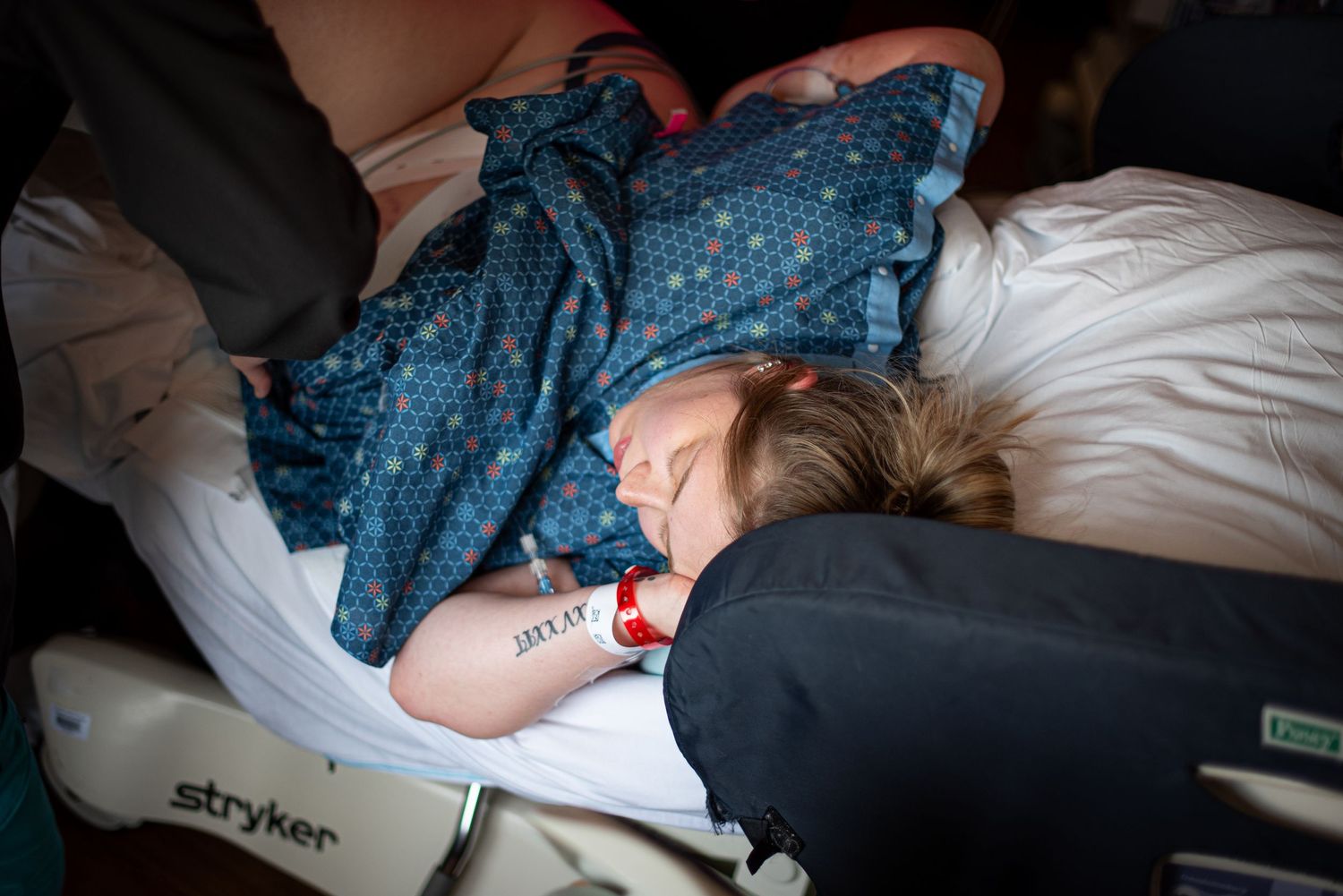
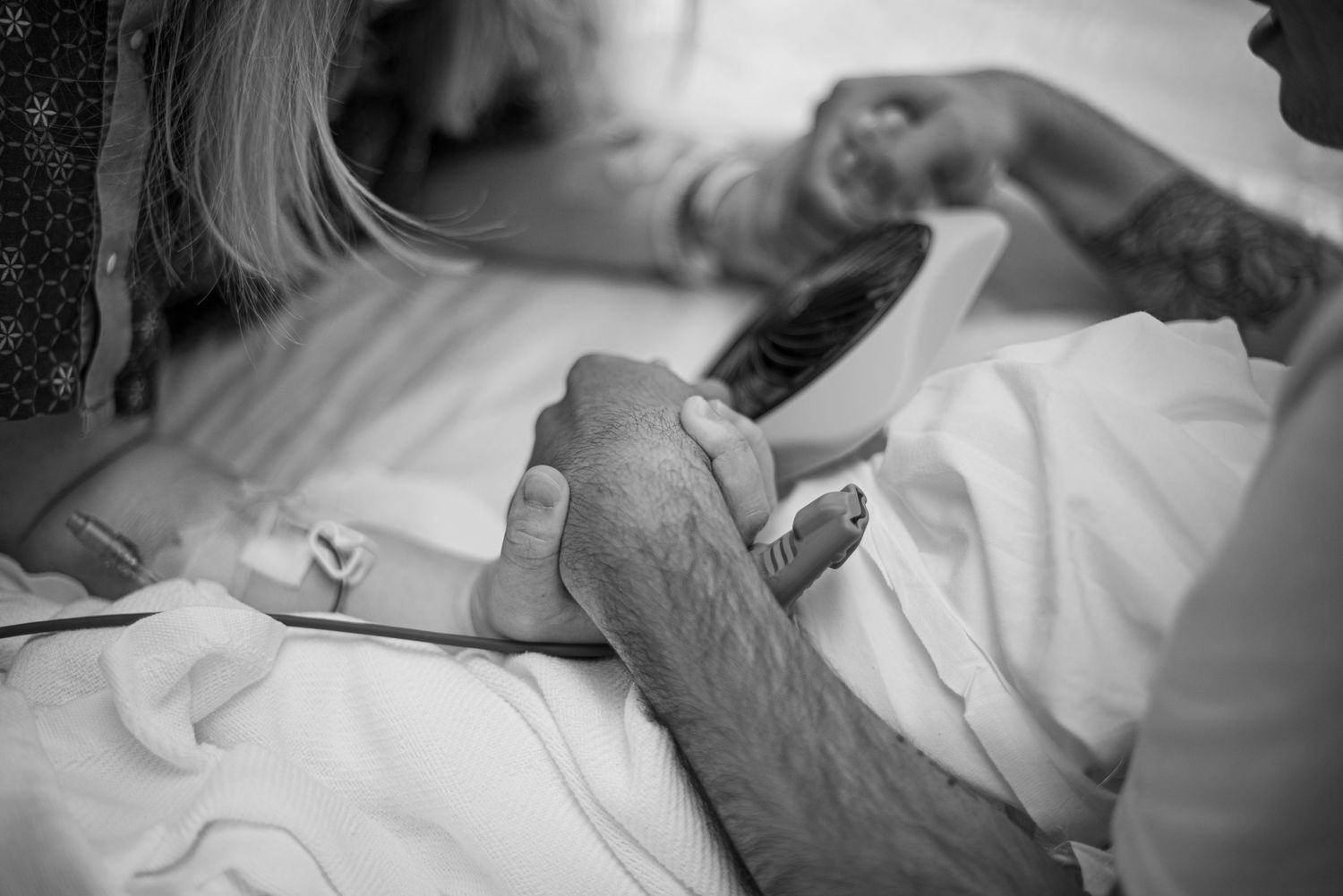
The camera found its rhythm again as relief flooded back into the room. Loren shot Tony a playful glare.
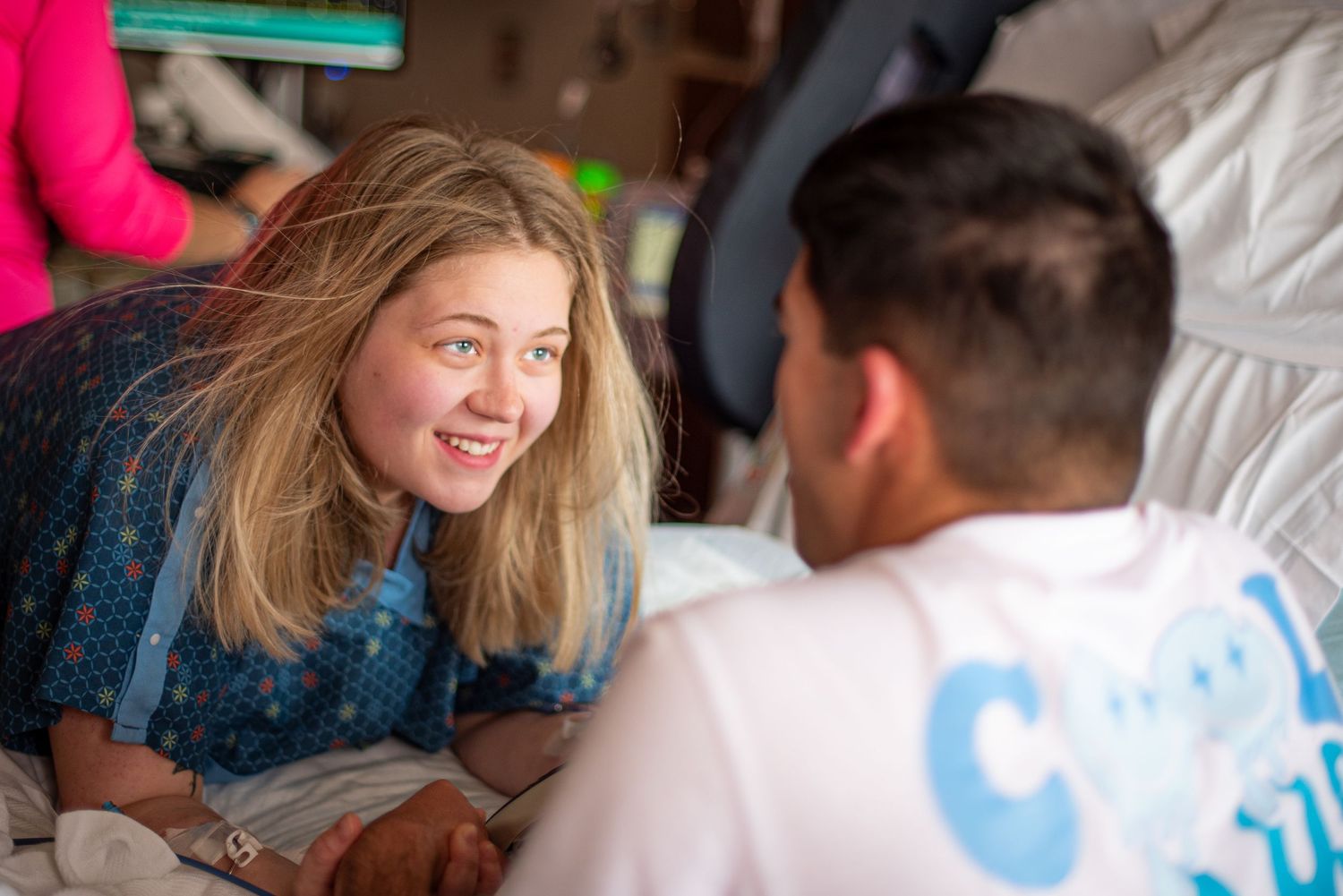
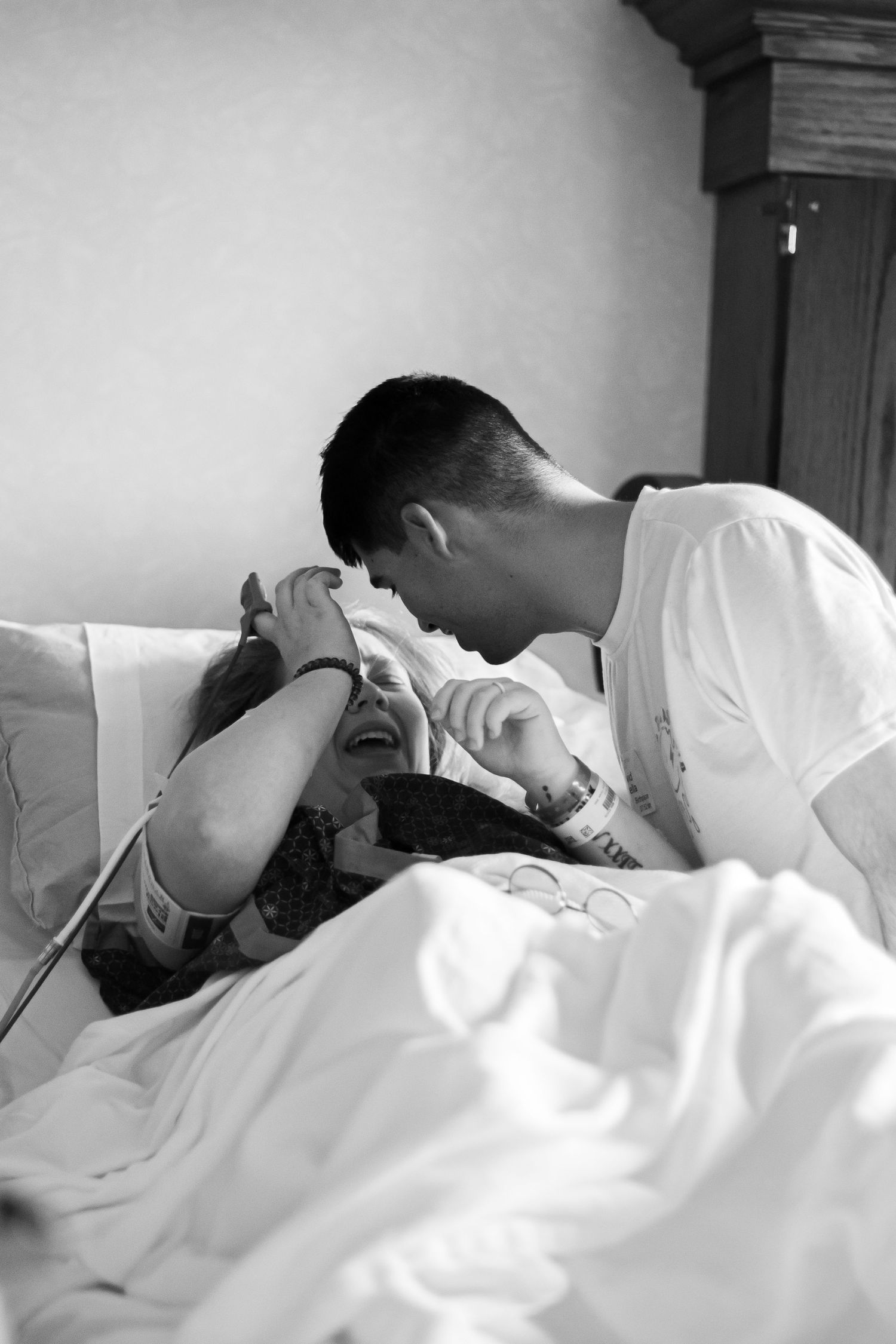
“You did this to me,” she teased, her voice light despite the strain.
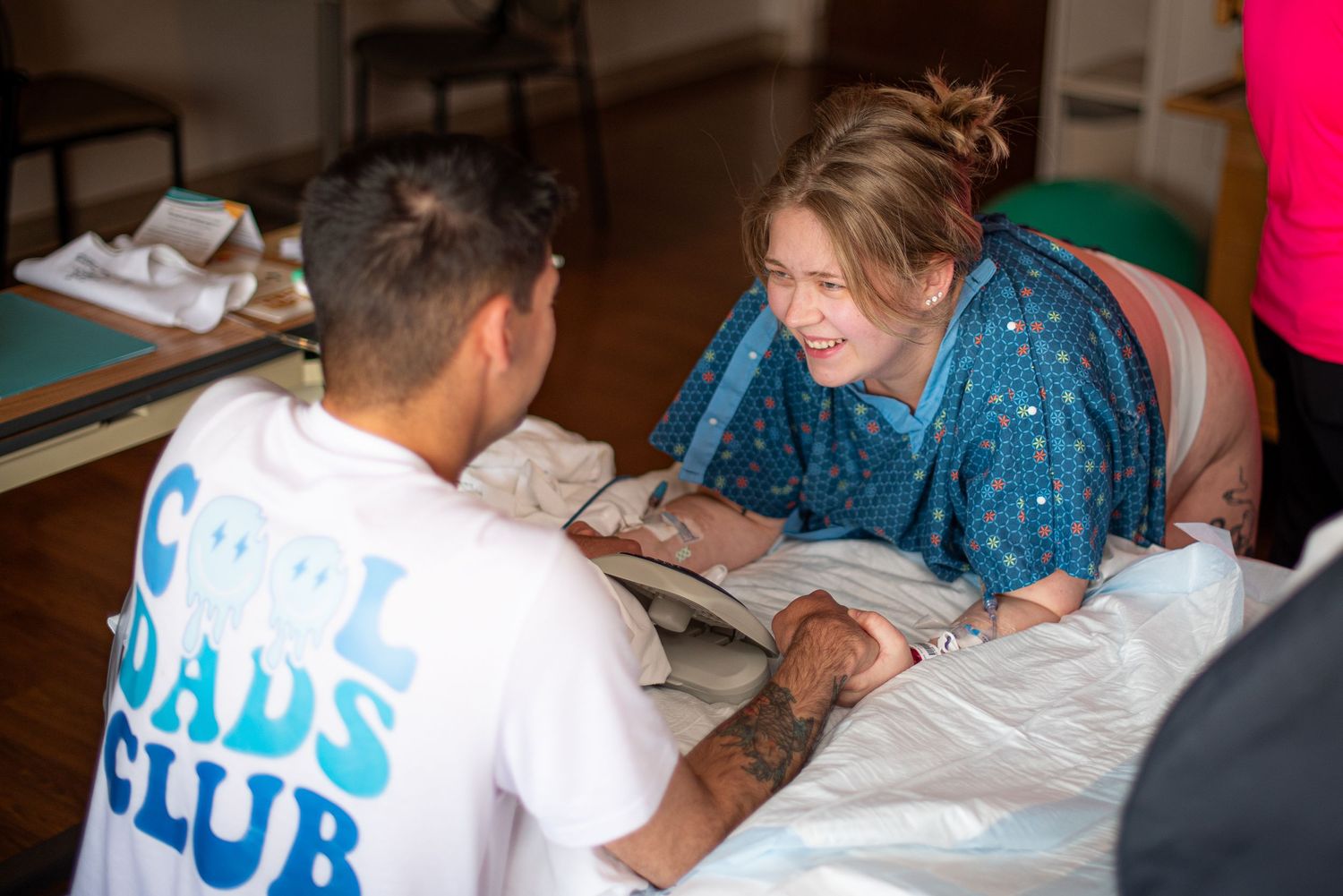
Behind my camera, I giggled as he responded, “You have beautiful eyes.”
Click. A frame of their humor, their resilience.
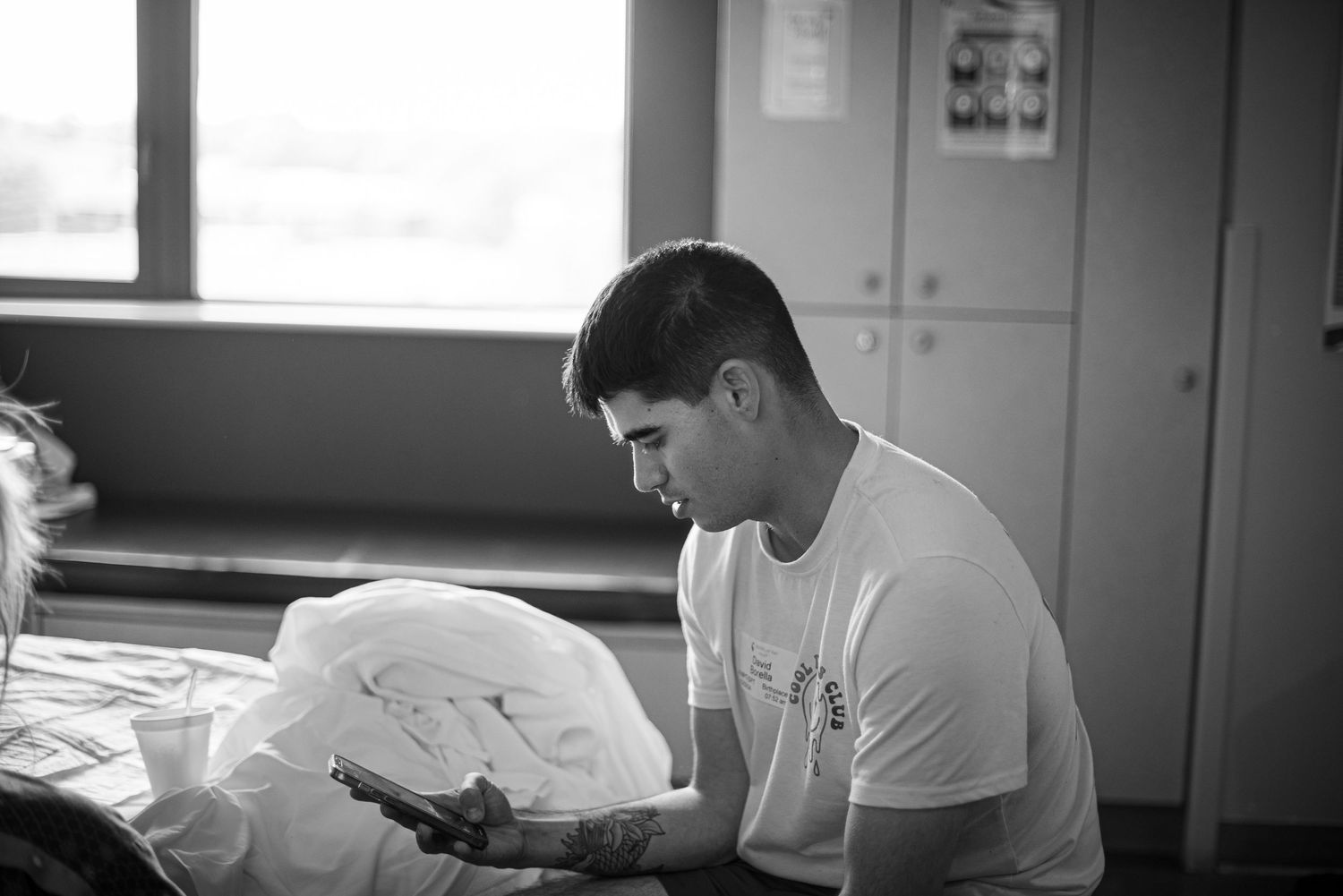
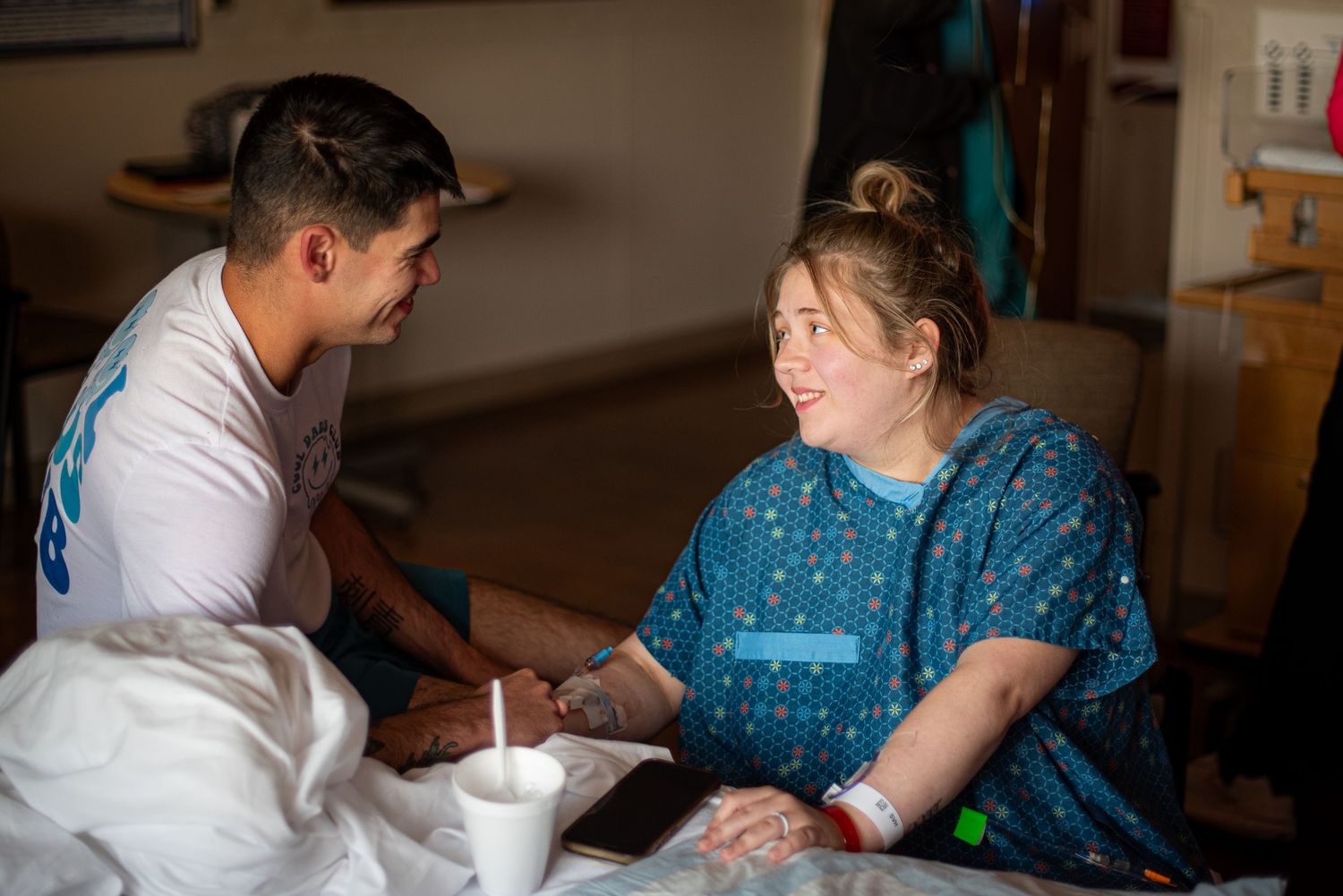
At 1:30 p.m., she had progressed to 3.5 centimeters. The slow march of labor continued. Tony, never missing an opportunity, sent her a message - "You got a boyfriend?"
I captured her tired smile as she read his goofy text. A tiny moment, but an important one.
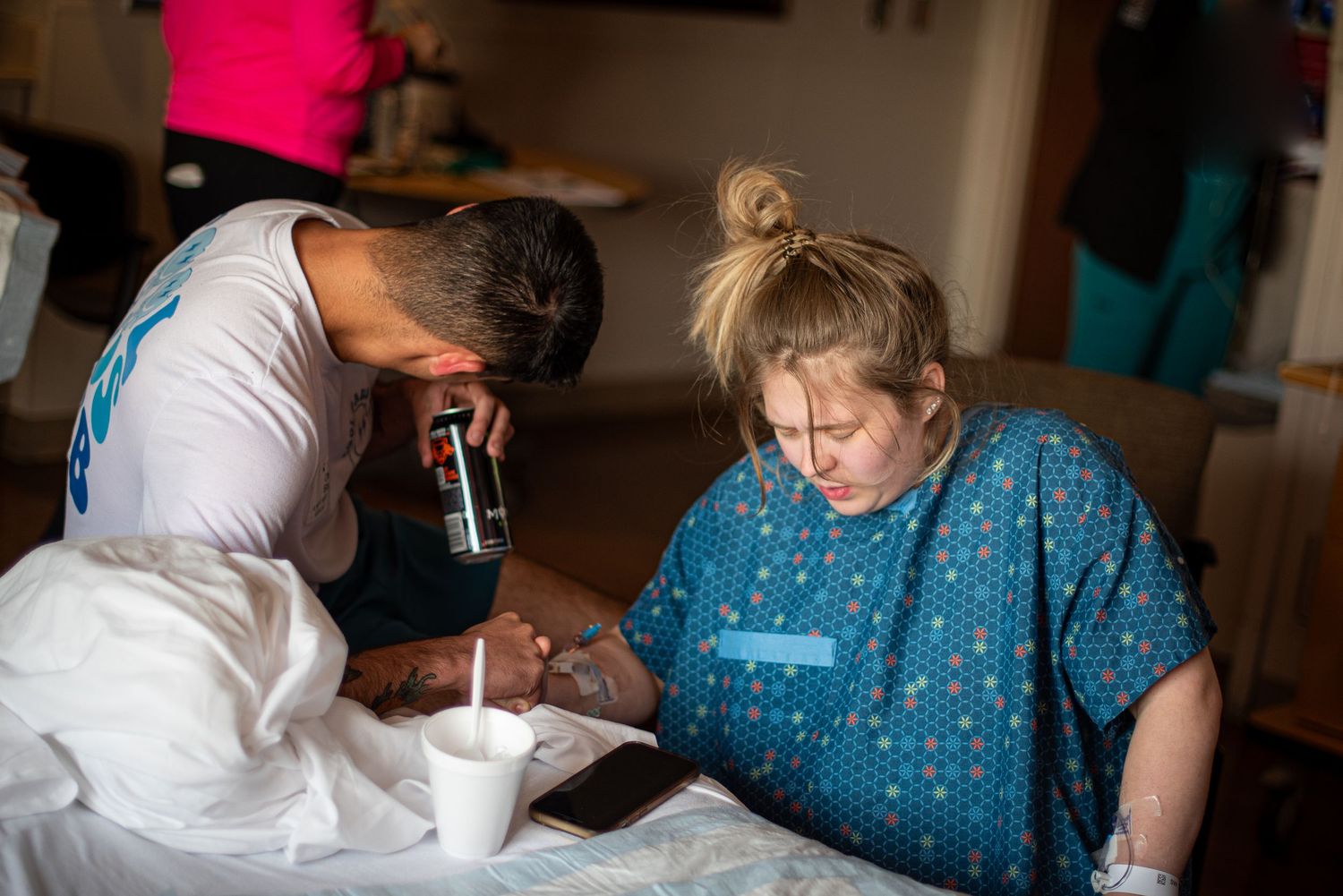
By 3 p.m., Loren was ready for relief. She had fought hard, but the contractions were relentless. “Epidural,” she requested, and Tony, ever the comedian, leaned in.
“You’re almost feeling as bad as me when I have a cold,” he teased.
I laughed softly behind my camera as I documented the moment, watching as she gave him a look that said I love you, but stop talking.
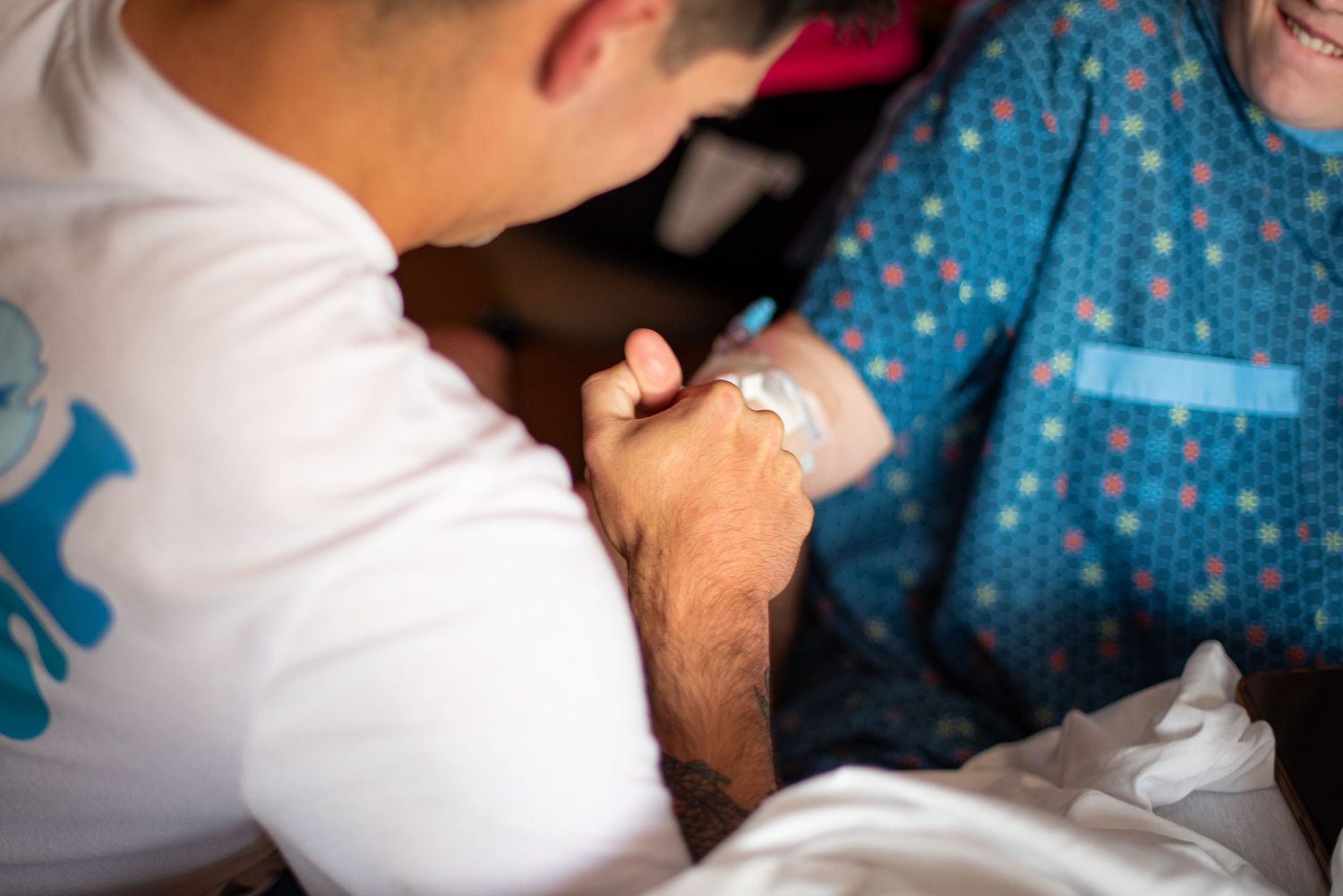
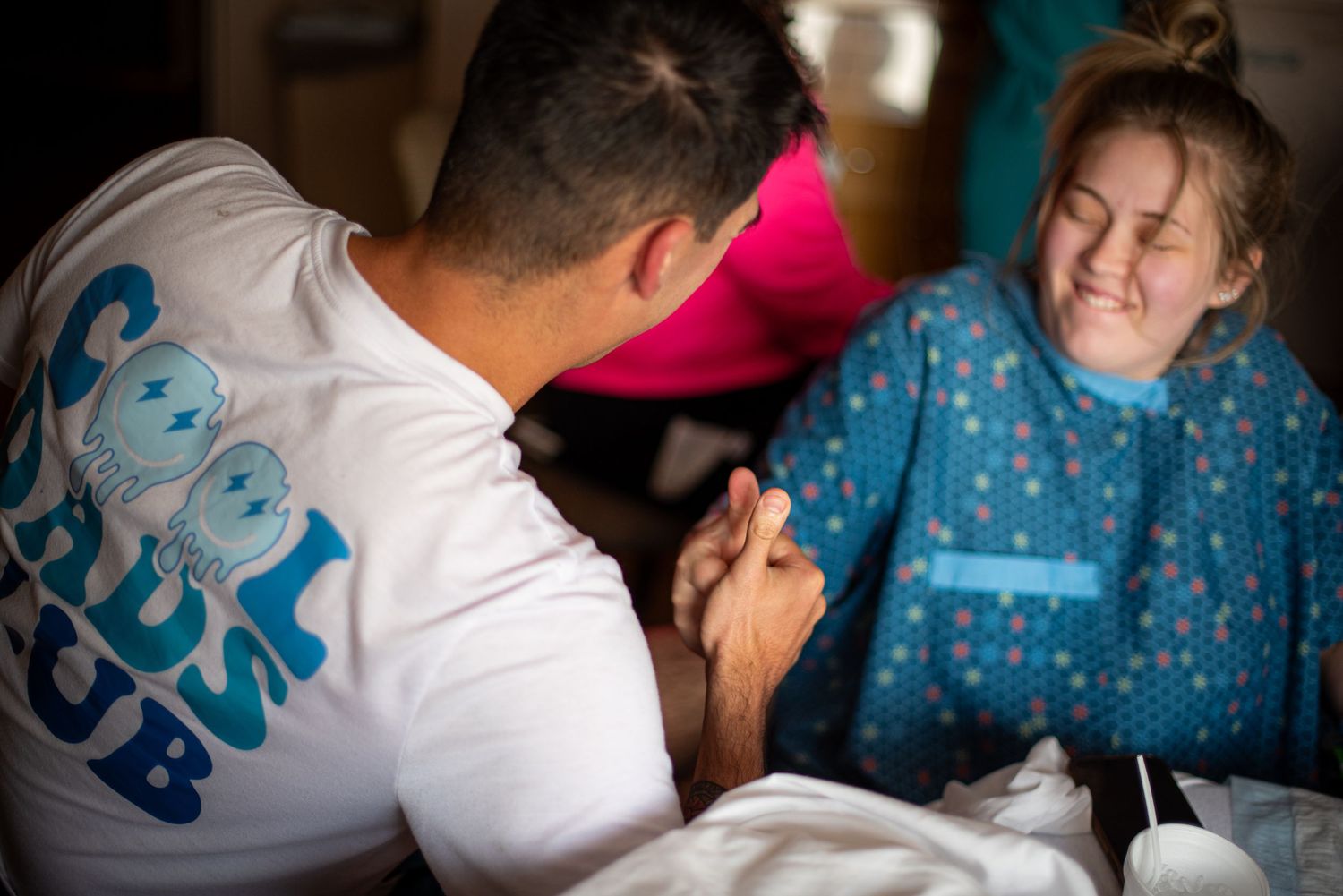
And then, a moment of perfect absurdity.
Between contractions, they sang Katy Perry’s “Firework.”
Loren laughing.
Tony belting out the lyrics.
The rawness of birth made lighter by love.
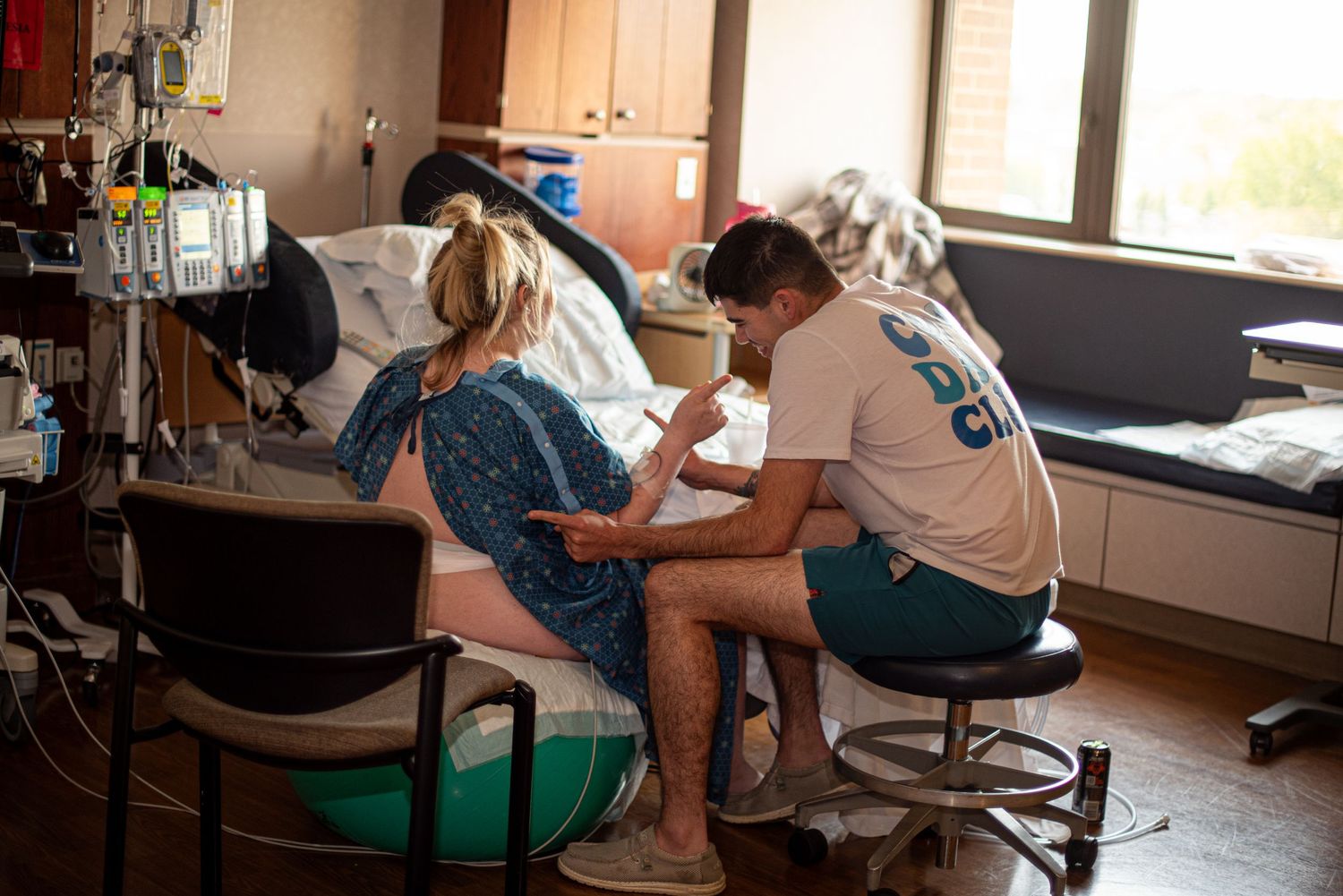
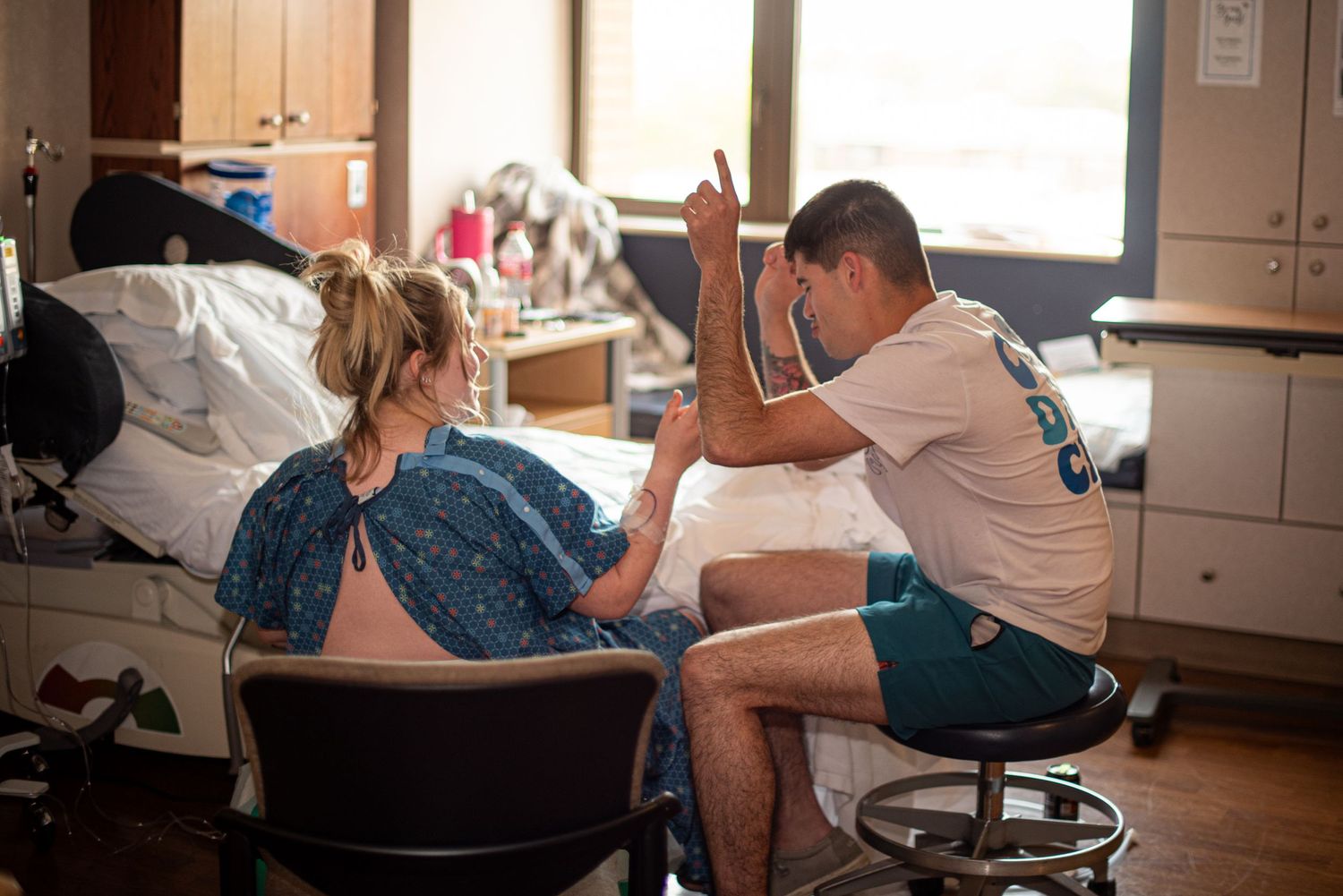
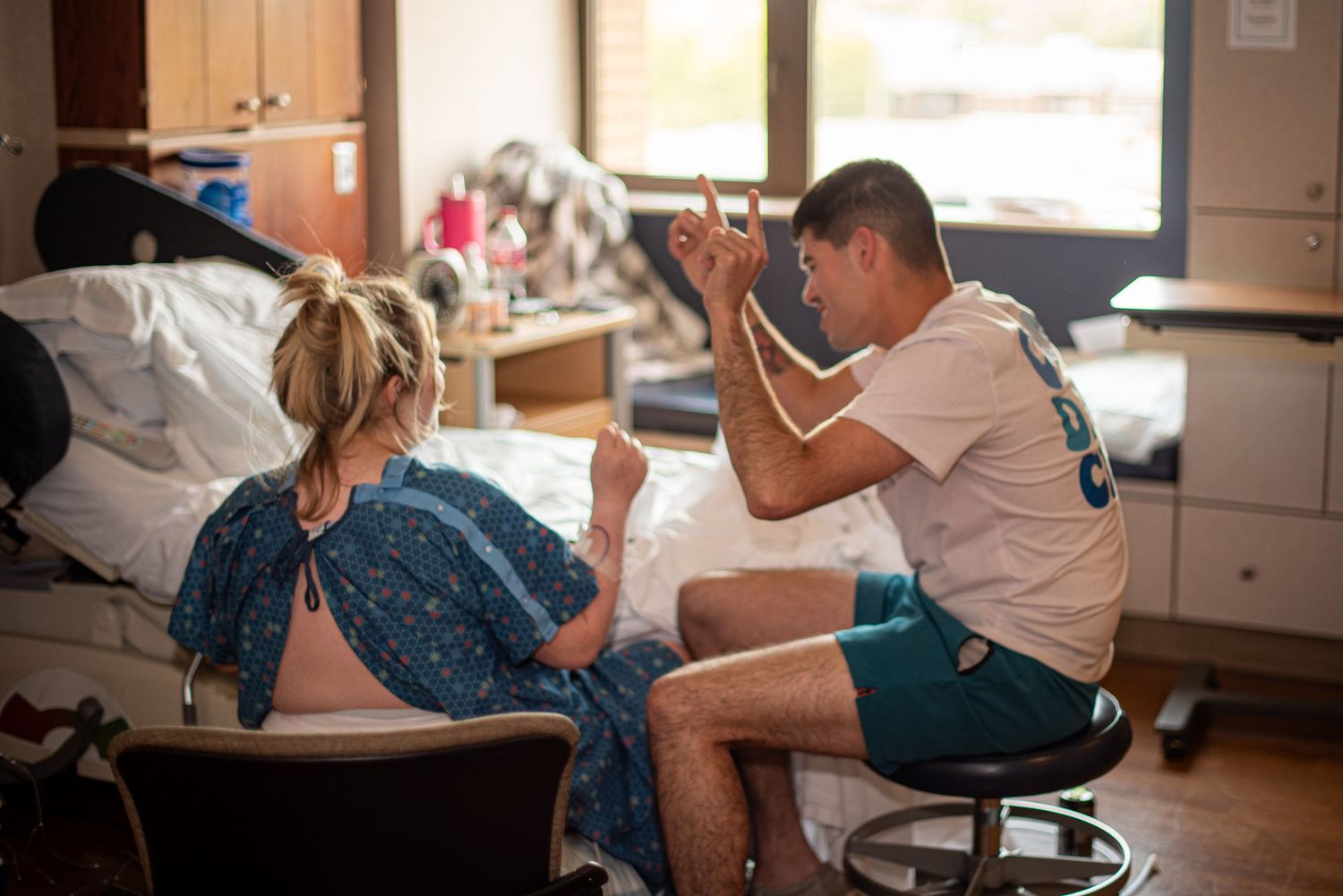
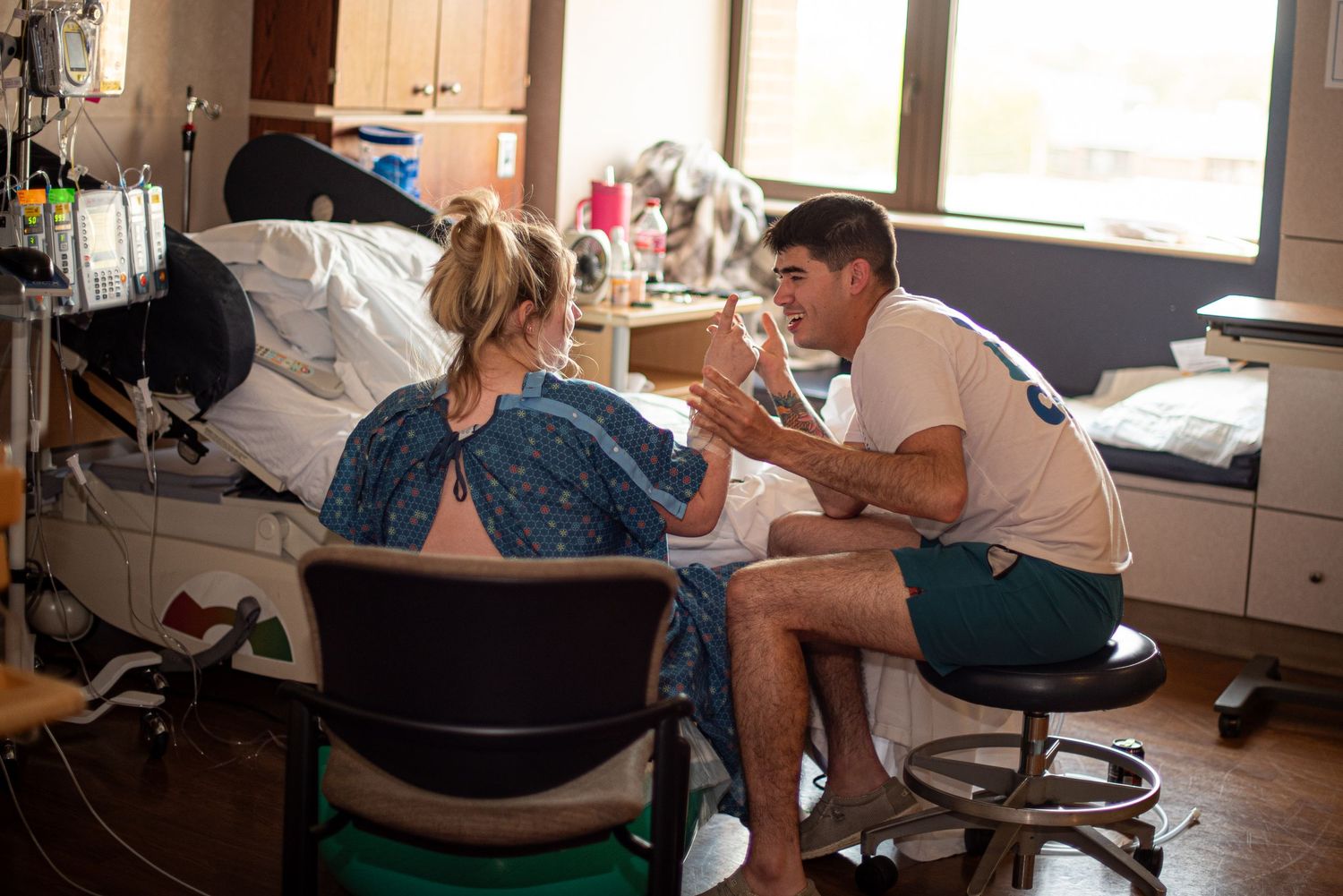
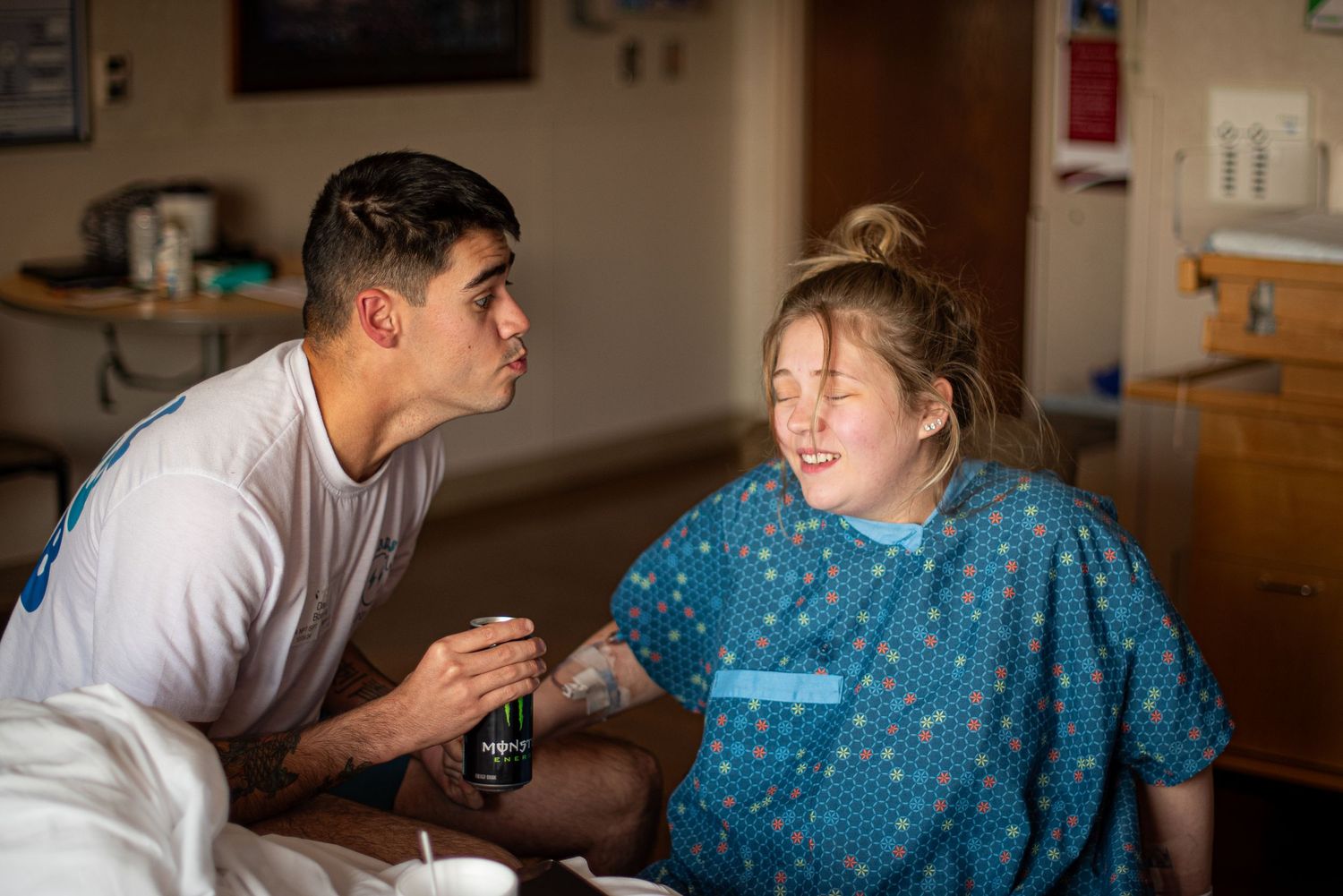
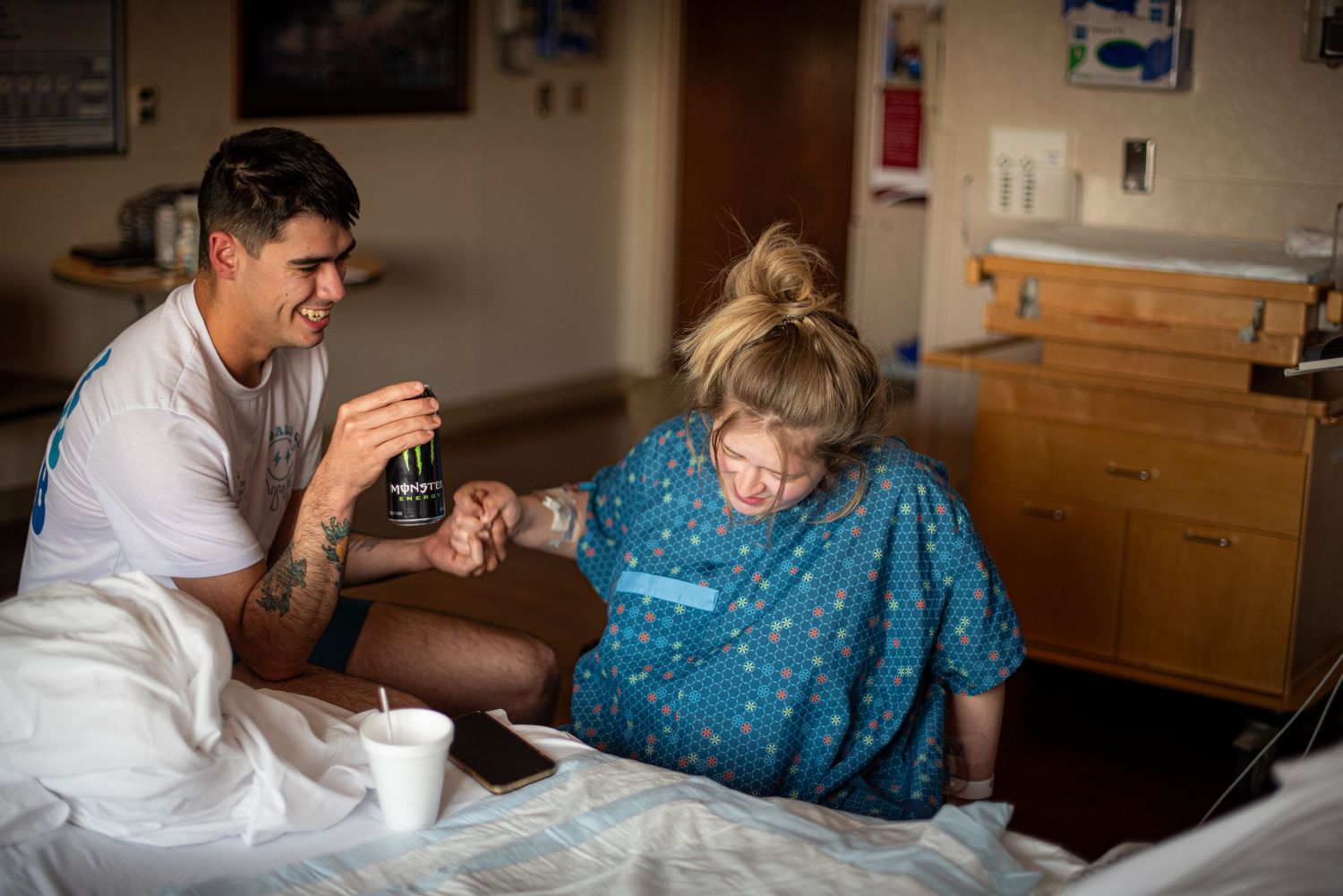
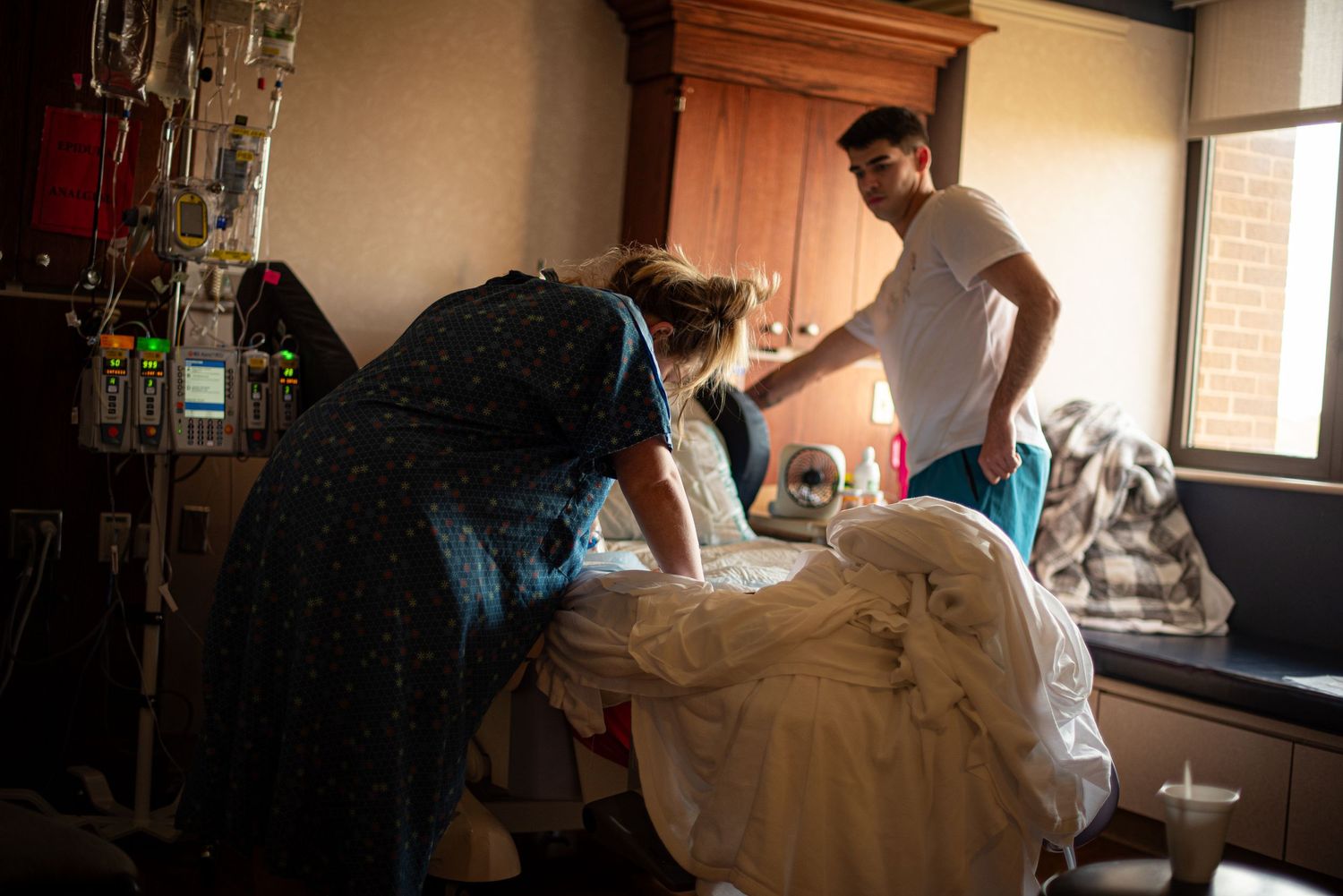
The waiting was long. The pain intensified. Through my lens, I saw the shift in her. The once-bright glimmers in her eyes dulled as contractions stole her voice. She grew quieter, inward, focusing only on survival. I kept my camera steady, as Tony moved from the jokester back into a role of pain relief. and as Loren moved from laughing through contractions into to breathing through them.
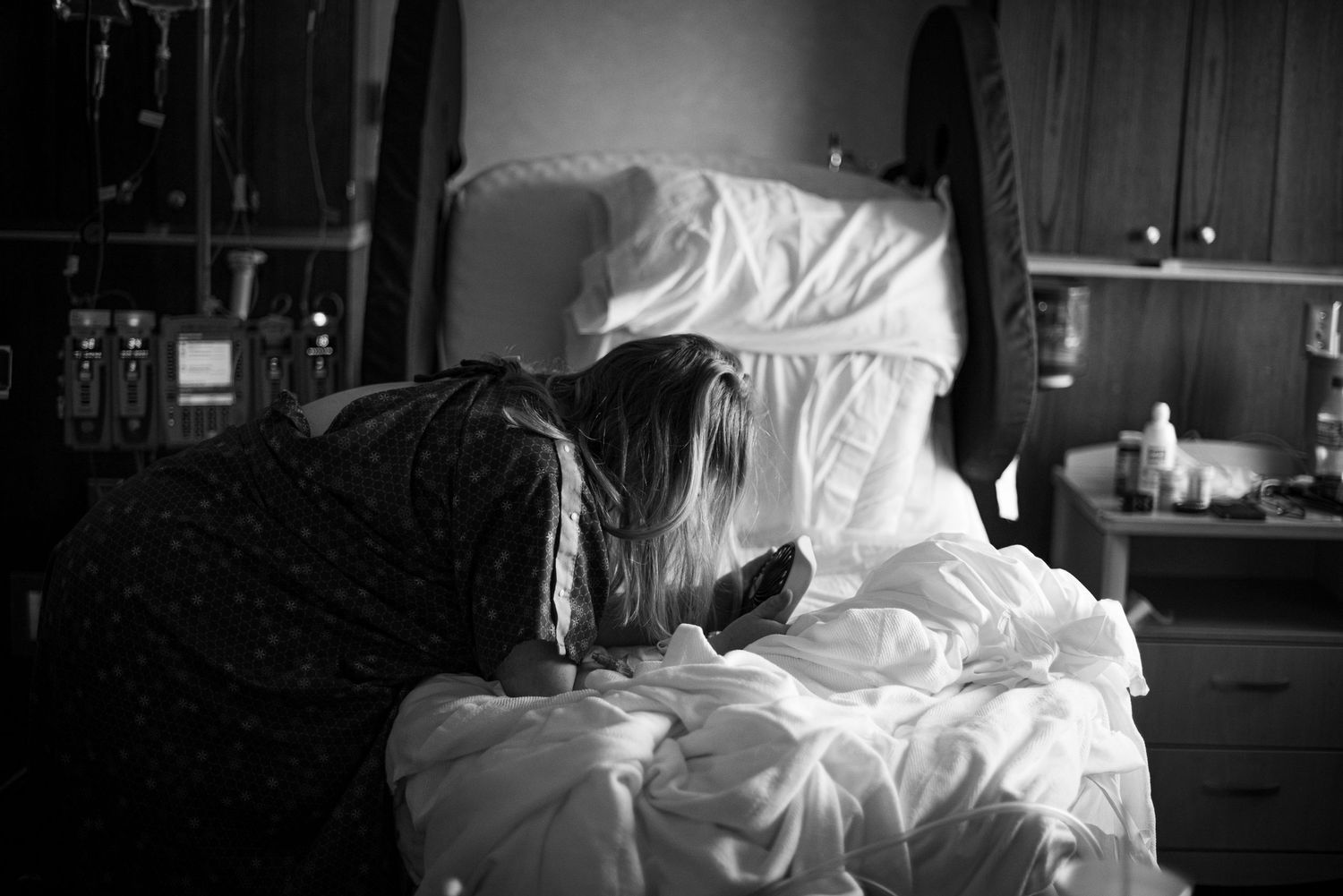
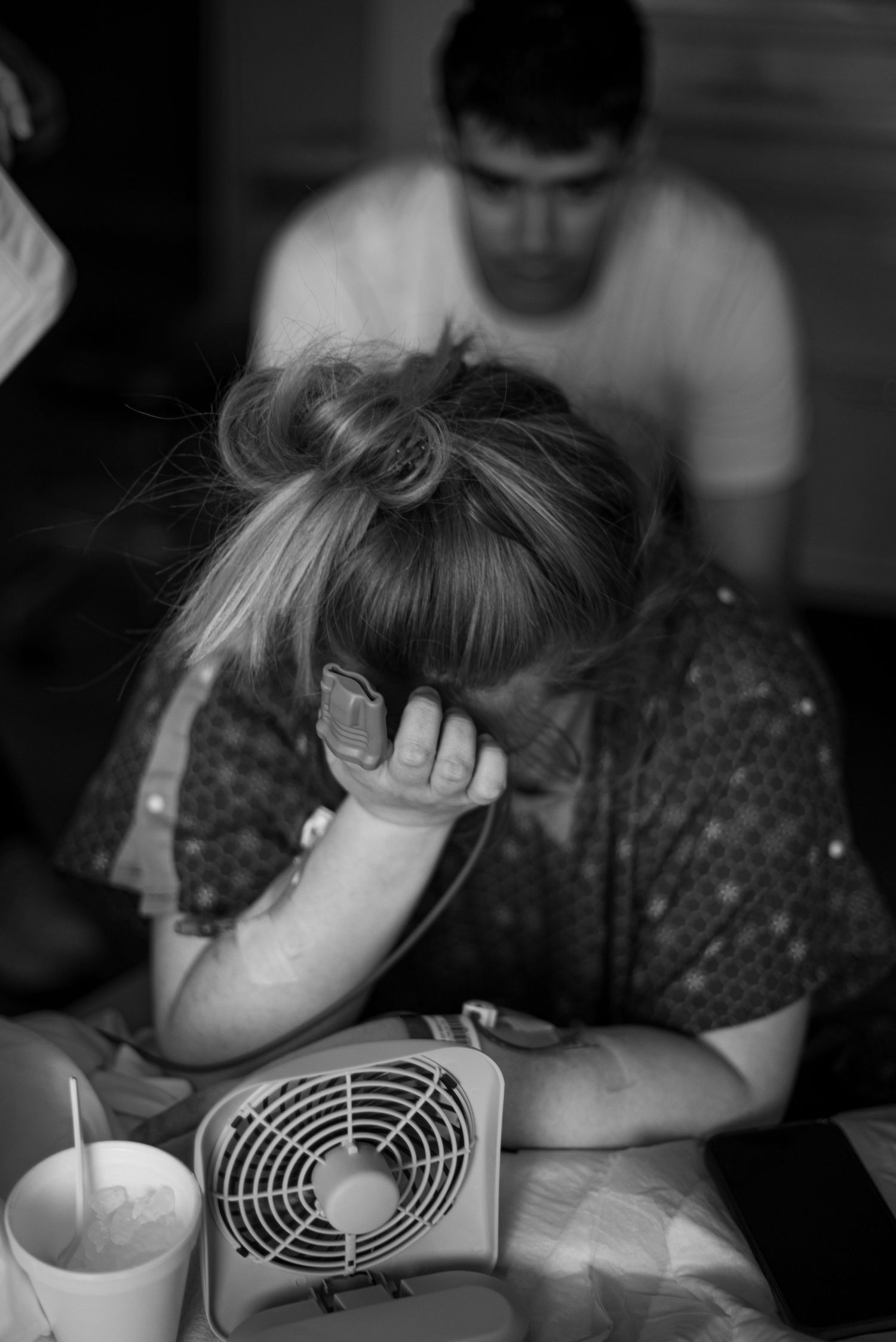
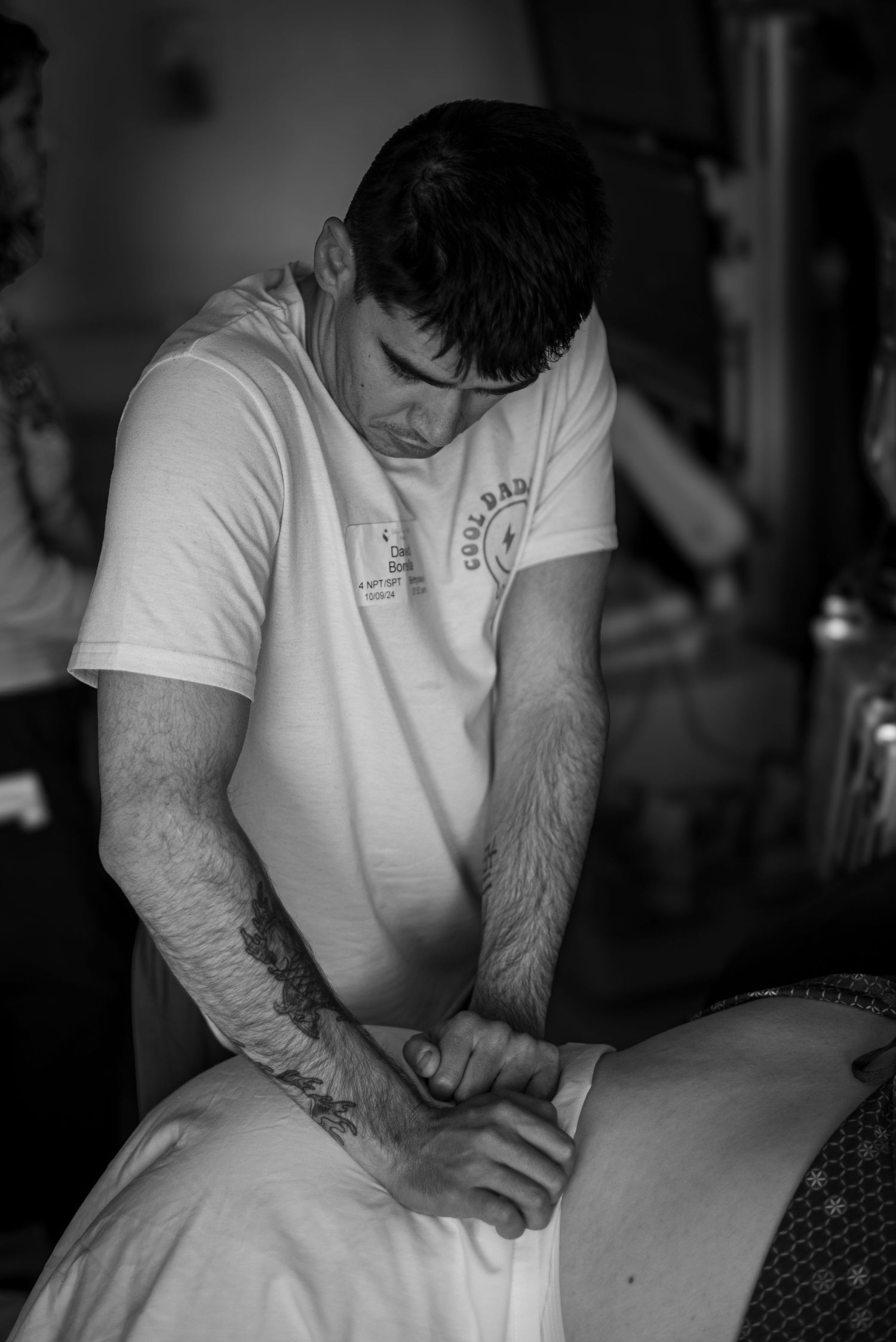
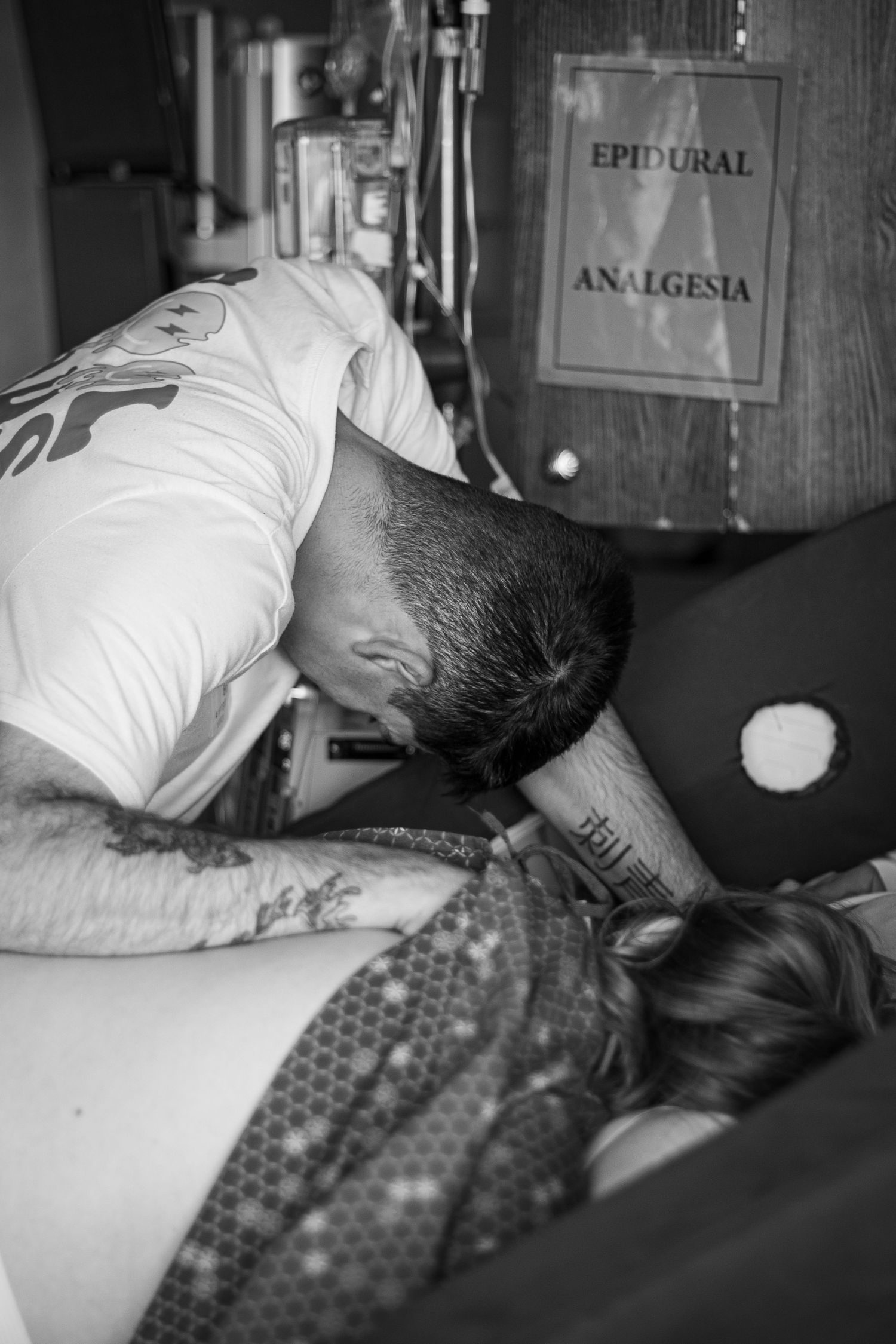
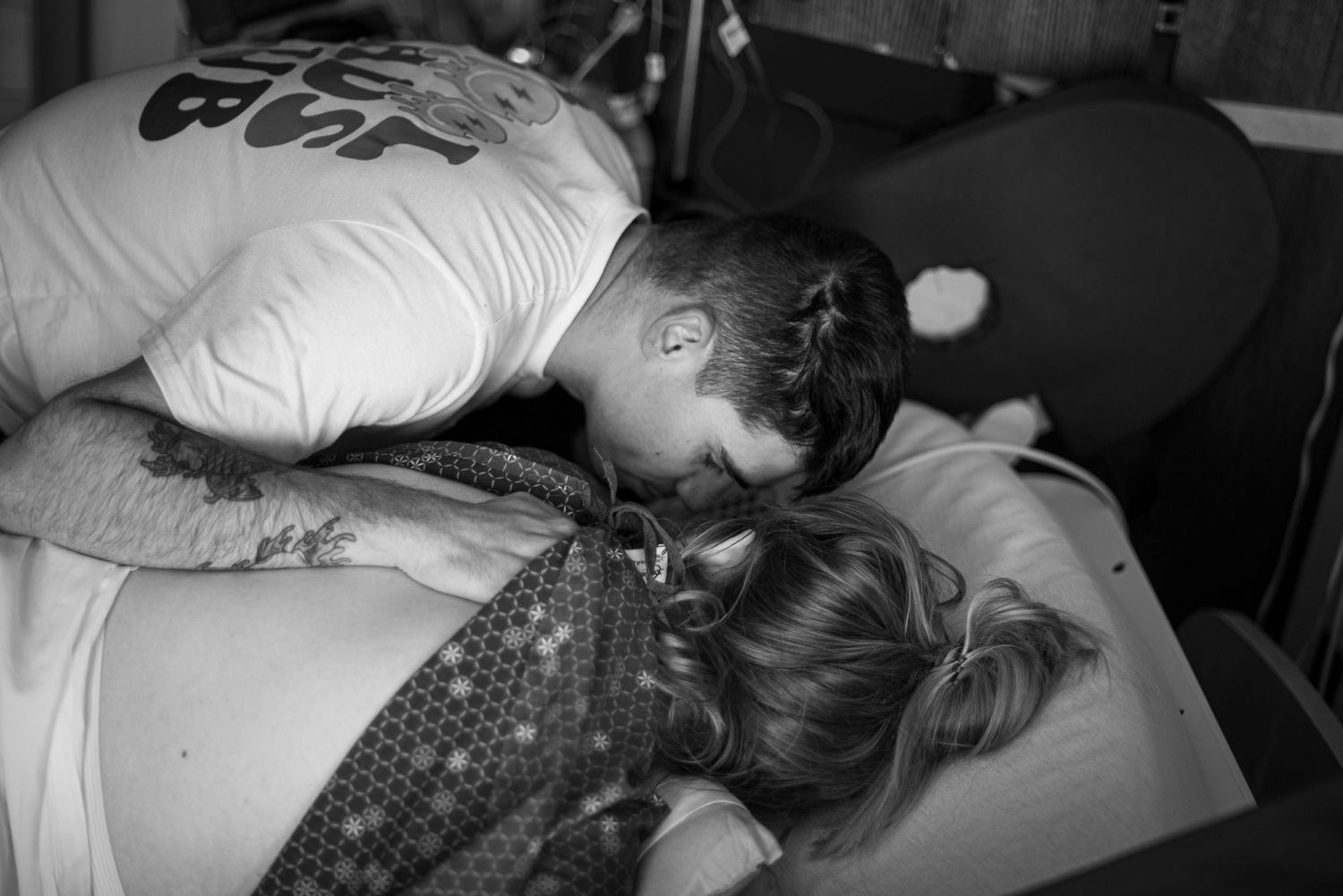
At 4 p.m., the anesthesiologist arrived. I stepped back, giving space for the moment. The camera stayed at my hip, waiting, watching.
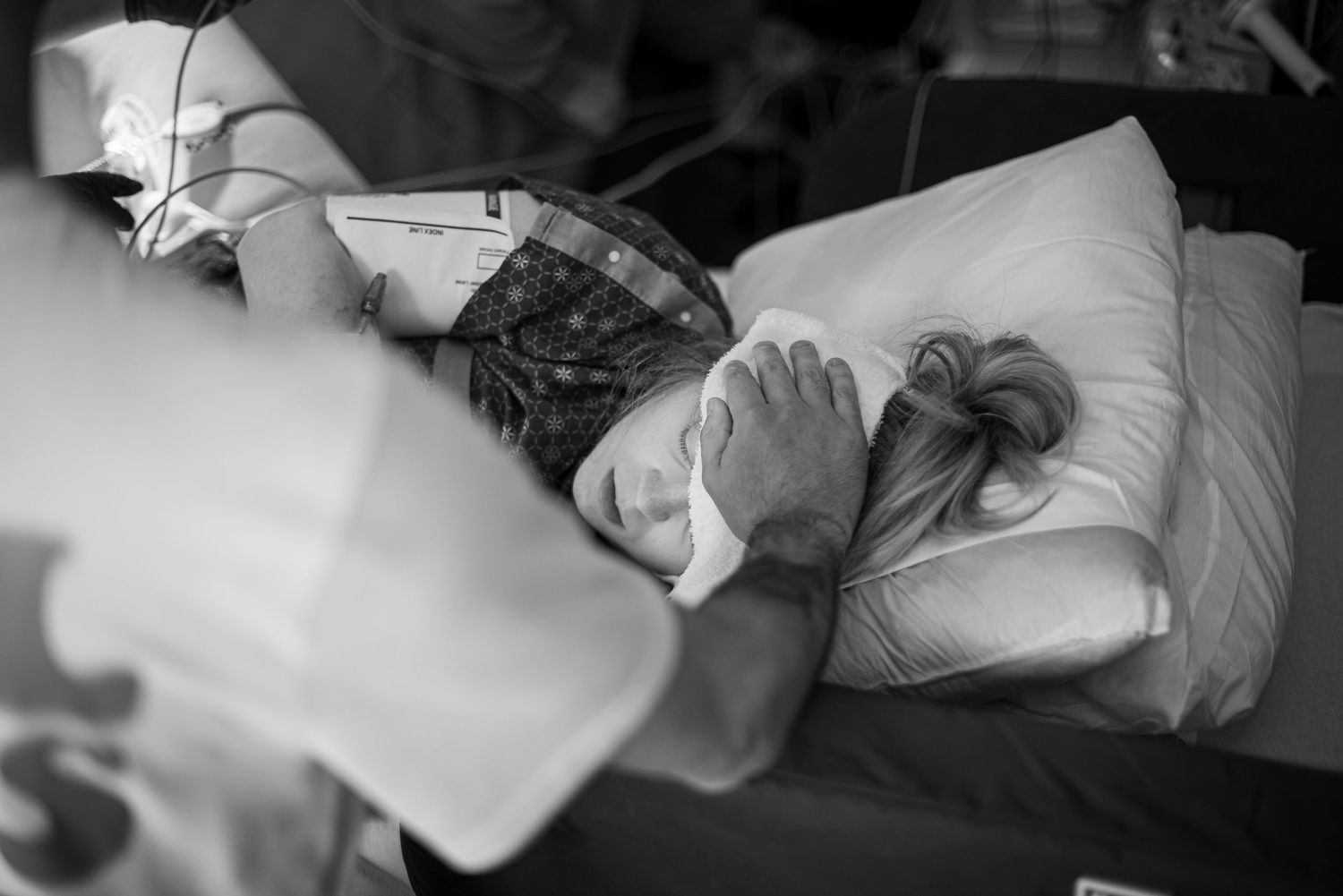
But nothing is ever simple. The moment the epidural took hold, Loren’s blood pressure dropped dangerously low. I felt the air shift, saw the nurses exchange quick glances, heard the steady reassurance in their voices as they worked. I lifted the camera once more, capturing Tony as he leaned in, giving her a cold cloth on her forehead.
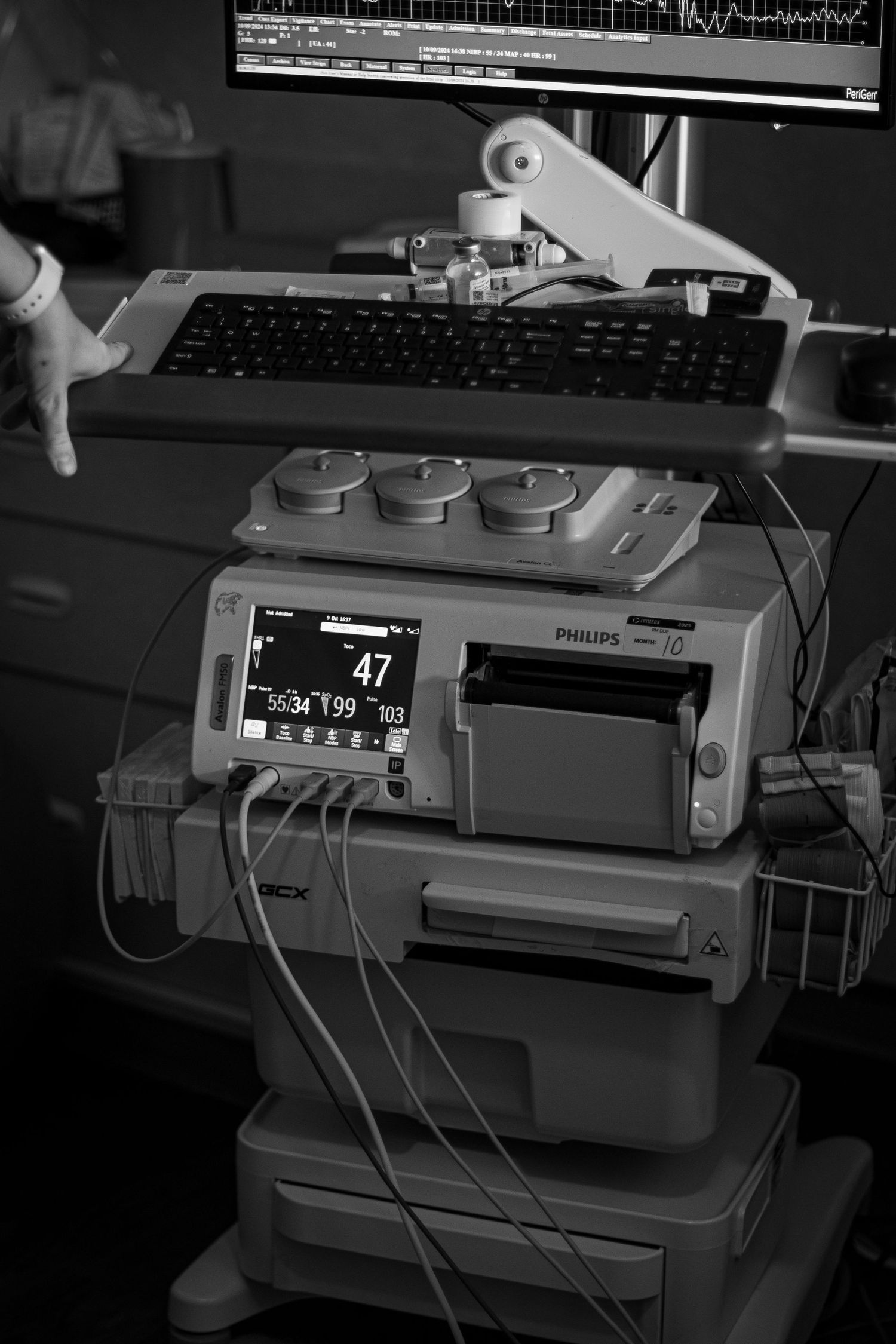
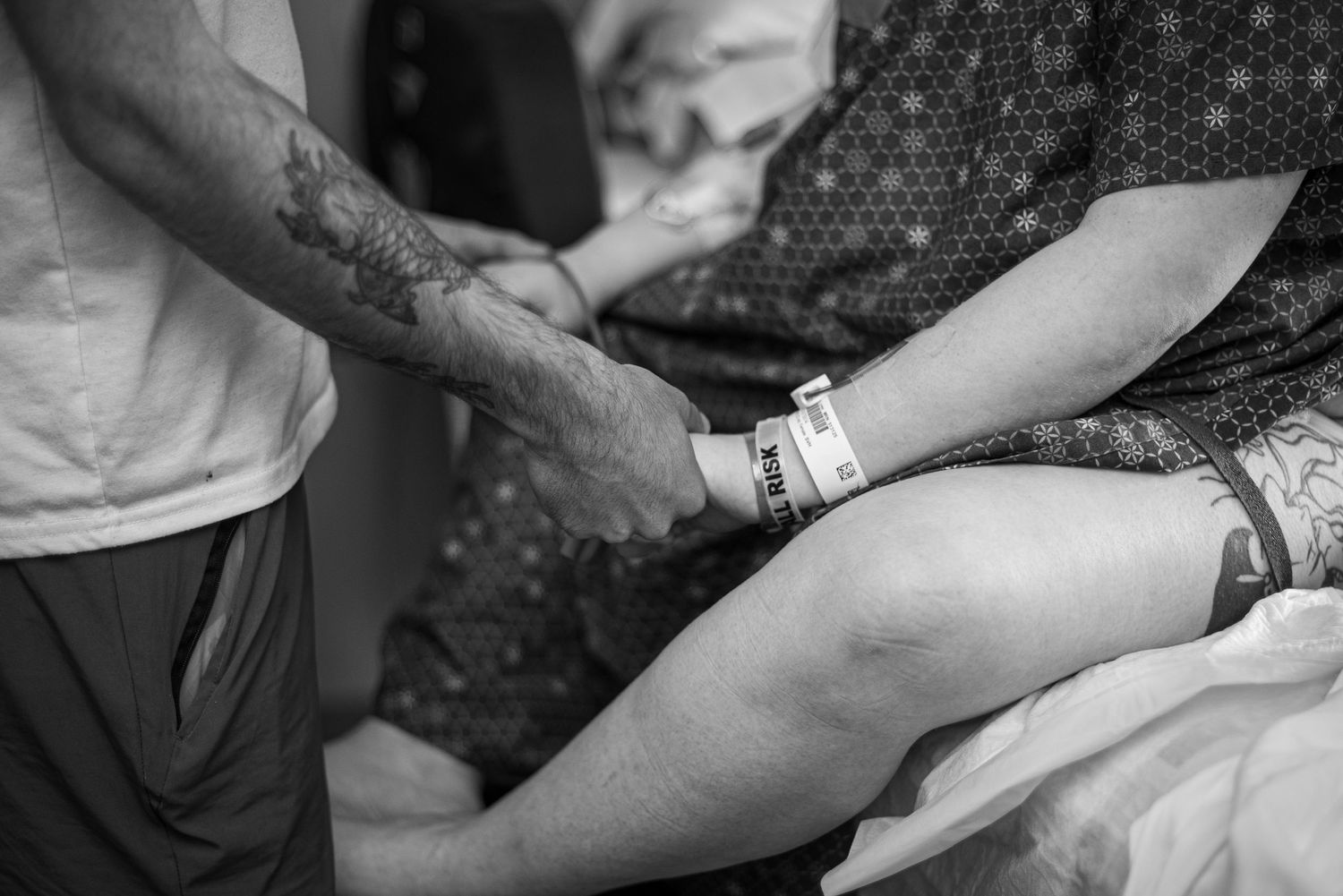
Samuel’s heart rate wavered again. I captured the hands adjusting monitors, the nurse’s steady fingers pressing gently on Loren’s wrist to check her pulse, the raw emotion on Tony’s face as he stayed right there with her.
Then, finally, relief.
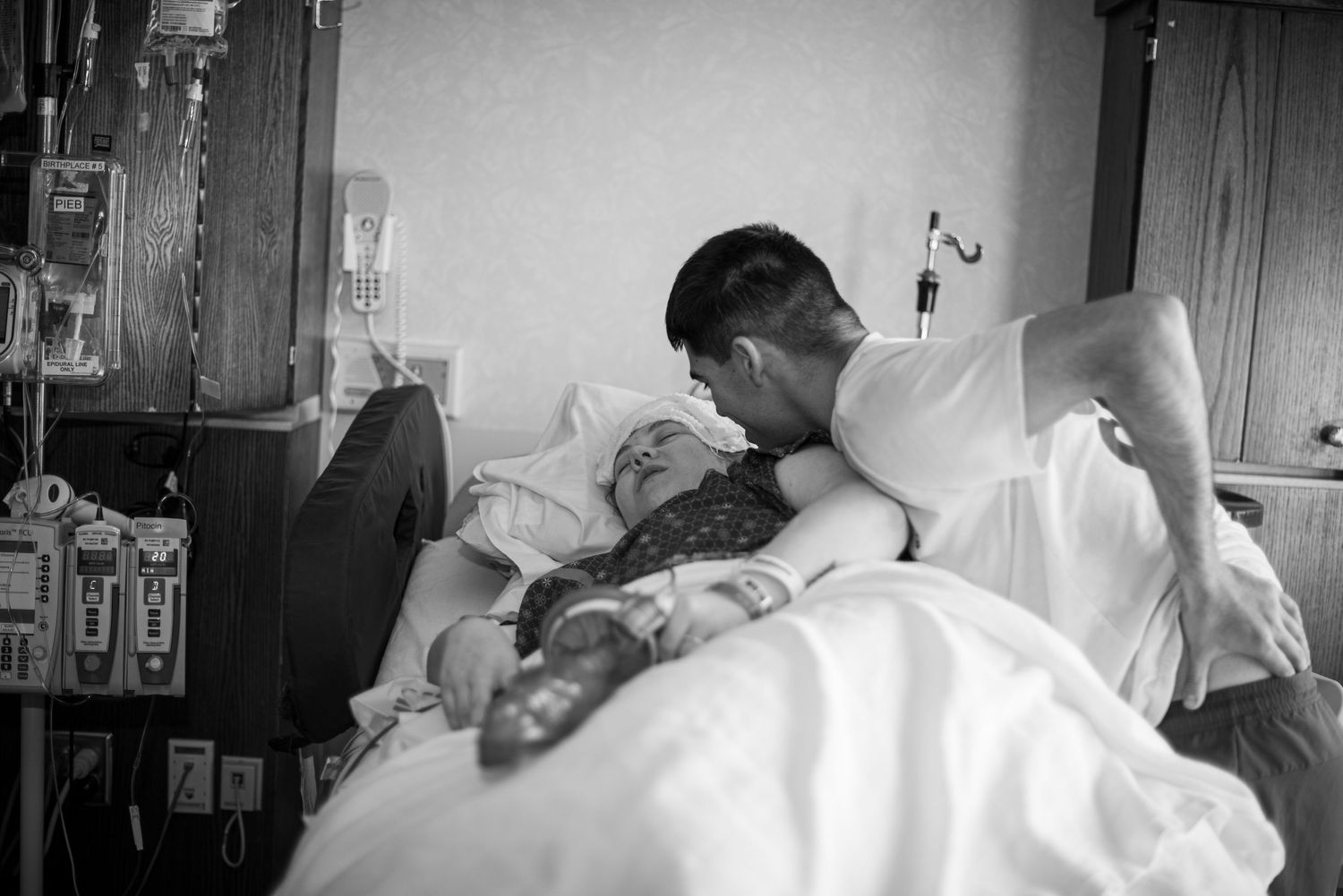

At 4:30, her color returned, her voice resurfaced. The tension in the room loosened its grip.
And just as quickly as fear had entered, humor reclaimed its place.
“We’re halfway there,” they sang, Bon Jovi filling the space between contractions.
Click.
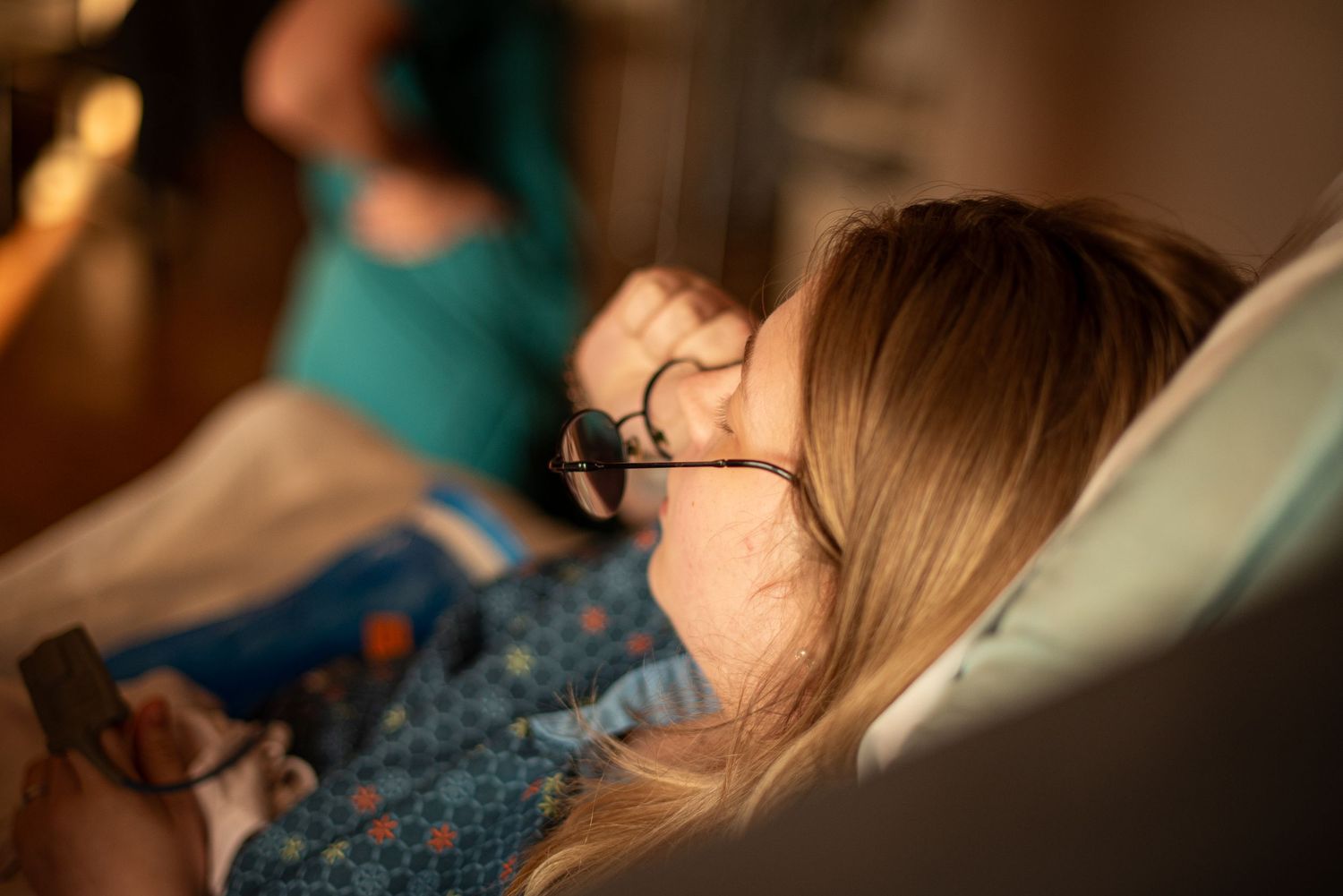
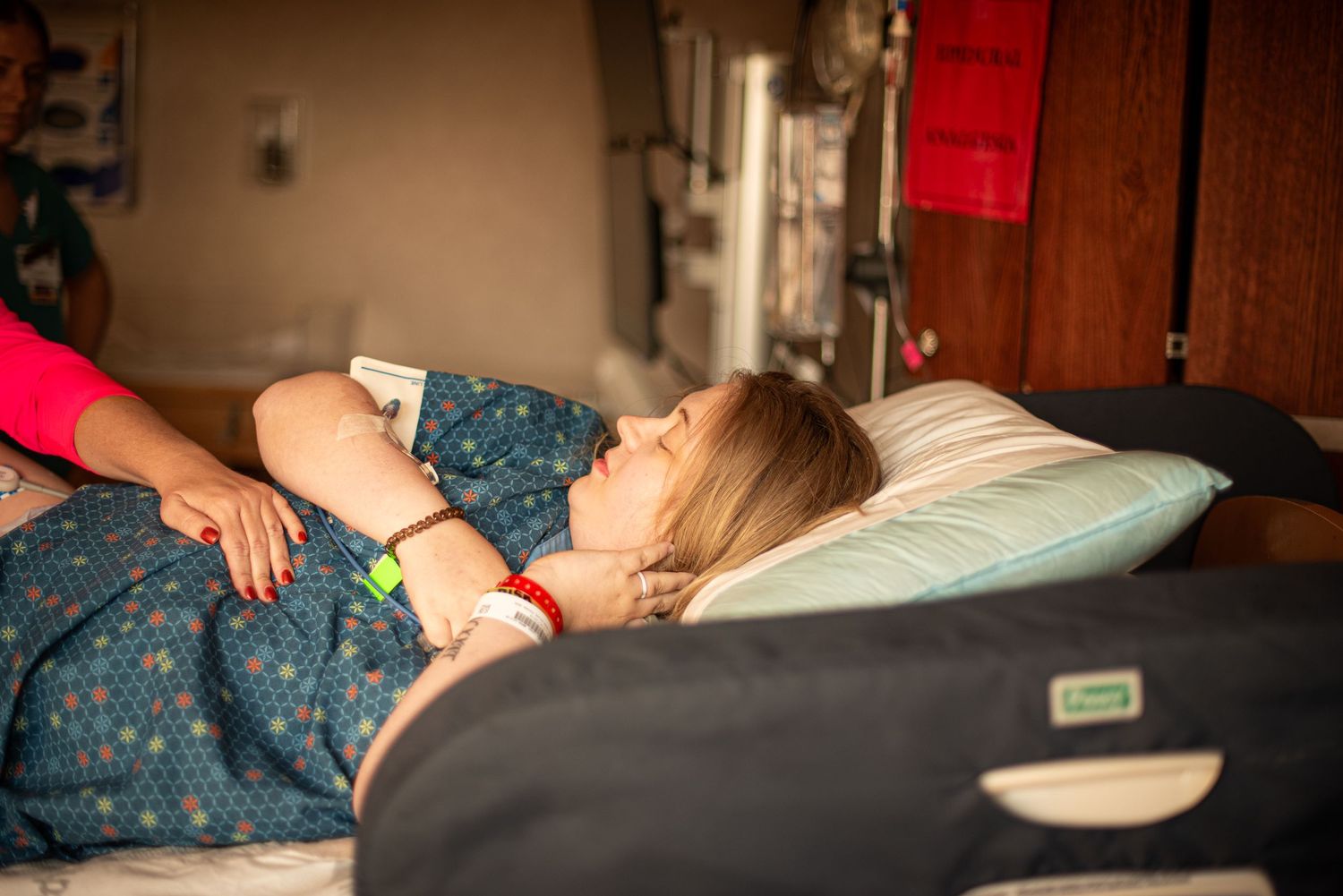
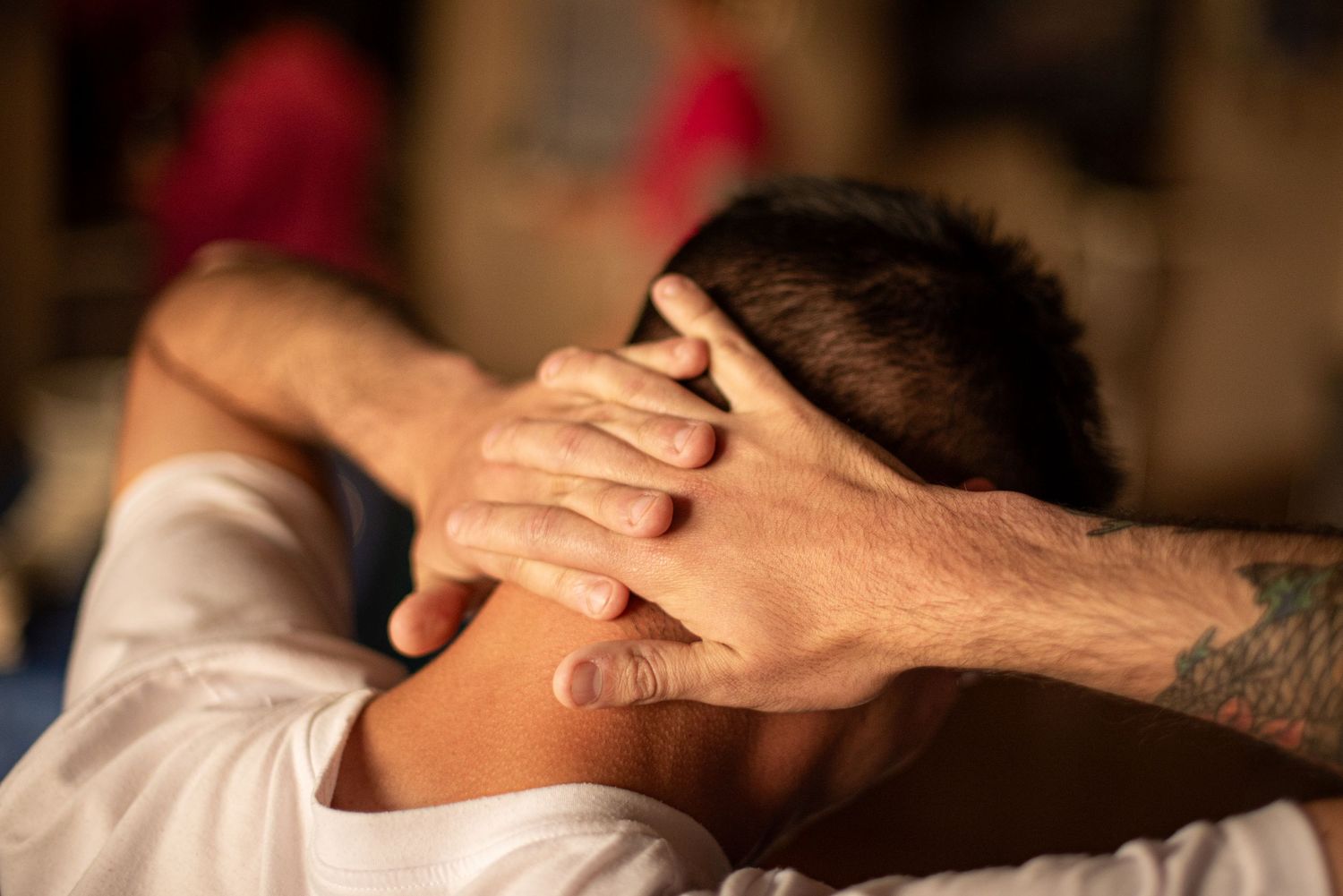
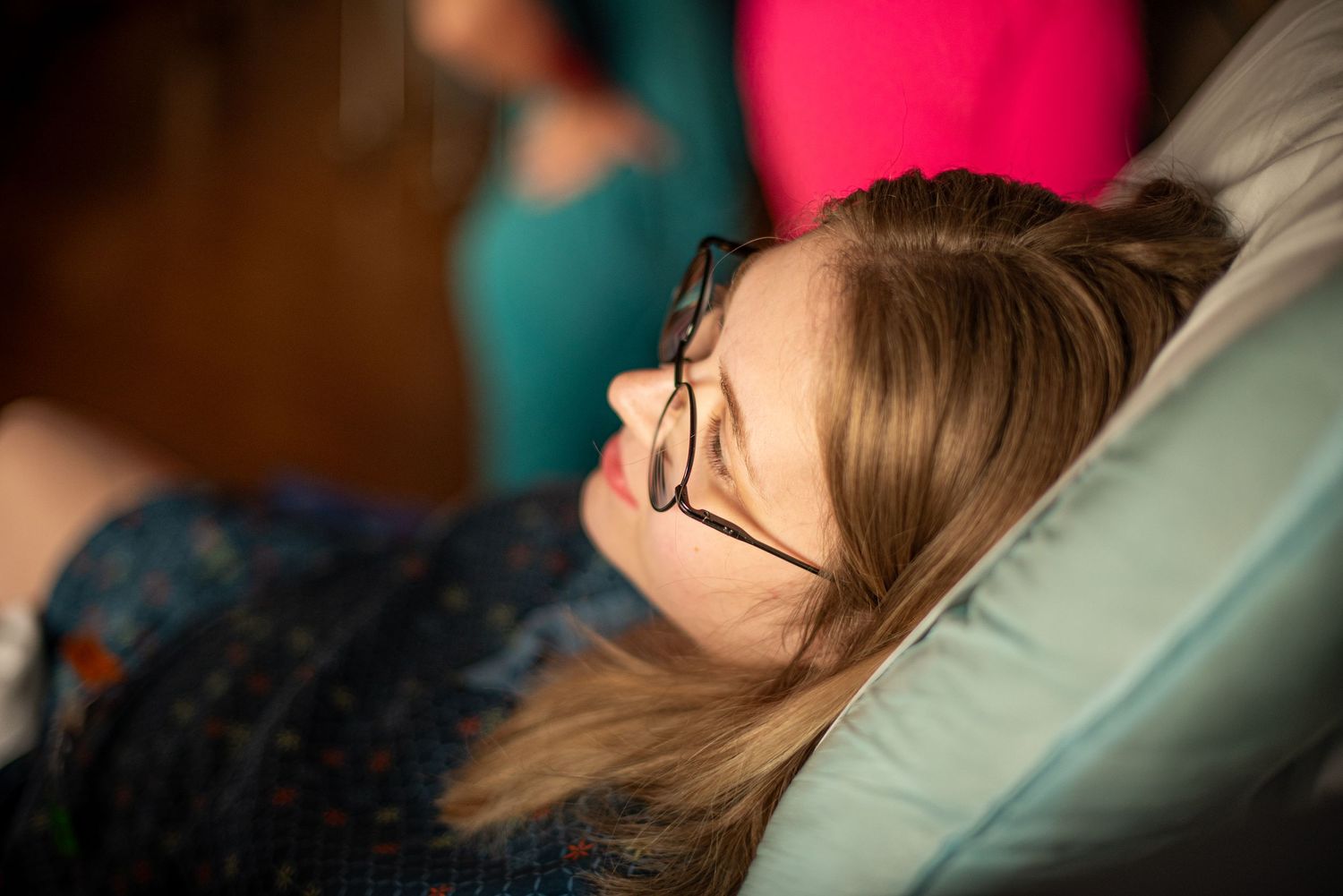
By 5 p.m., challenges still lingered. Samuel’s heart rate remained inconsistent. The decision was made to use a scalp monitor. Loren agreed. I captured her resolve, the way she trusted her team. I spoke quietly with the nurses, and together, we marveled at the strength of this mother—the patience, the endurance, the unbreakable spirit.
Then, at 5:30, the air changed again.
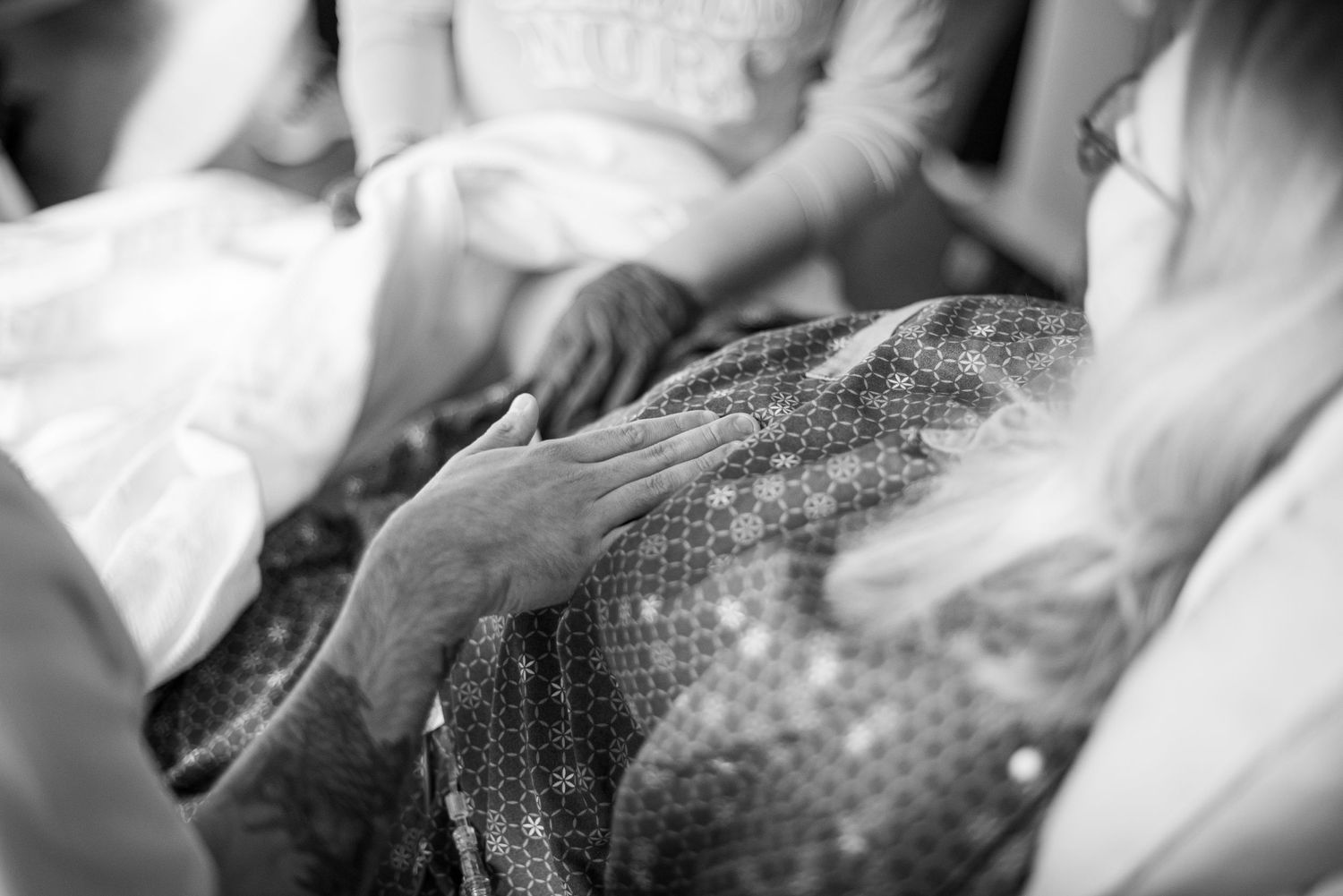
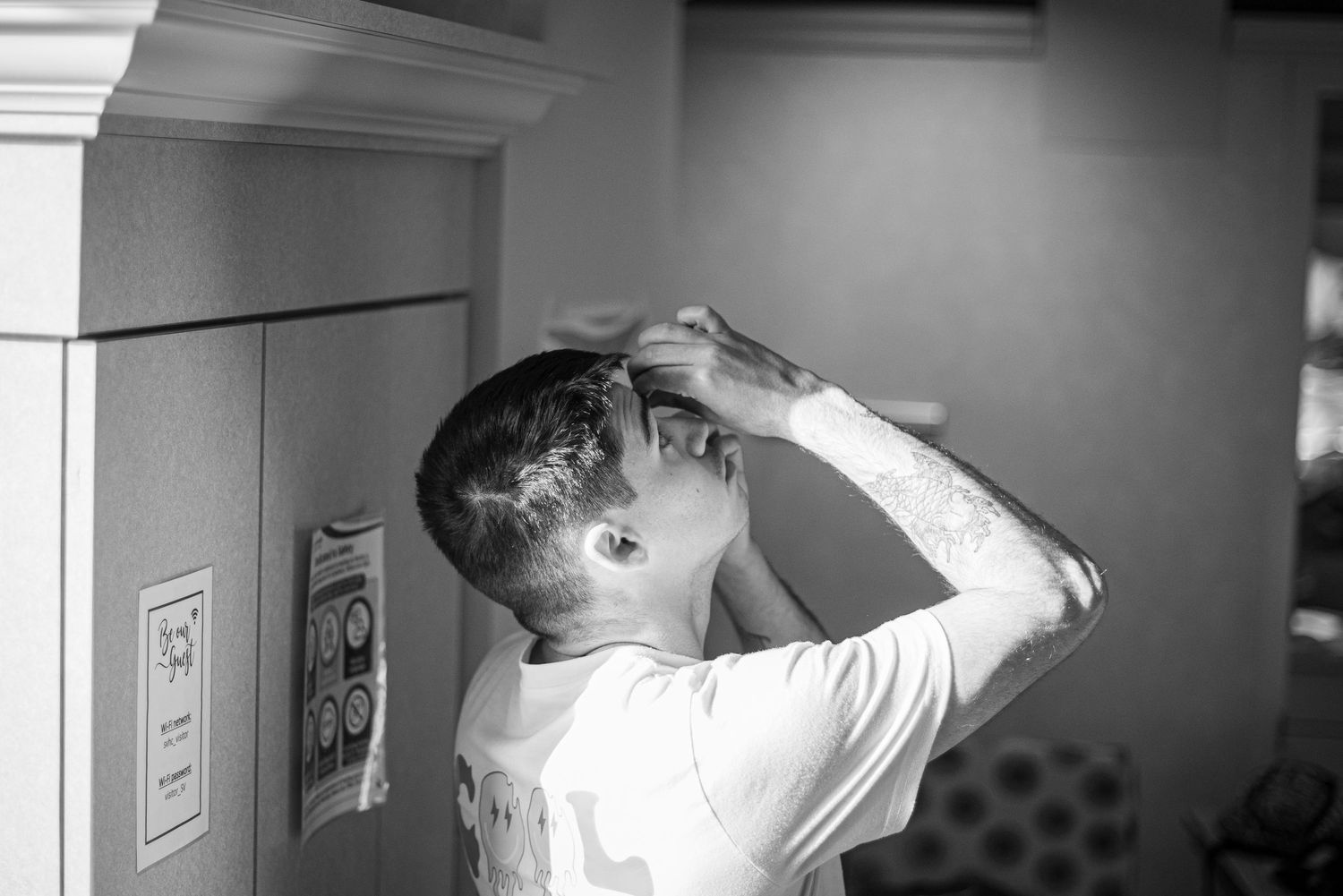
Through my lens, I saw it before it was spoken. The way her breath caught. The way Tony’s expression shifted from humor to nerves. The way Loren, even through exhaustion, knew.
I asked Tony, “Are you shaking in your shoes?”
“Oh, more than that,” he admitted, voice shaky but still trying to be brave.
Click. A moment of honesty.

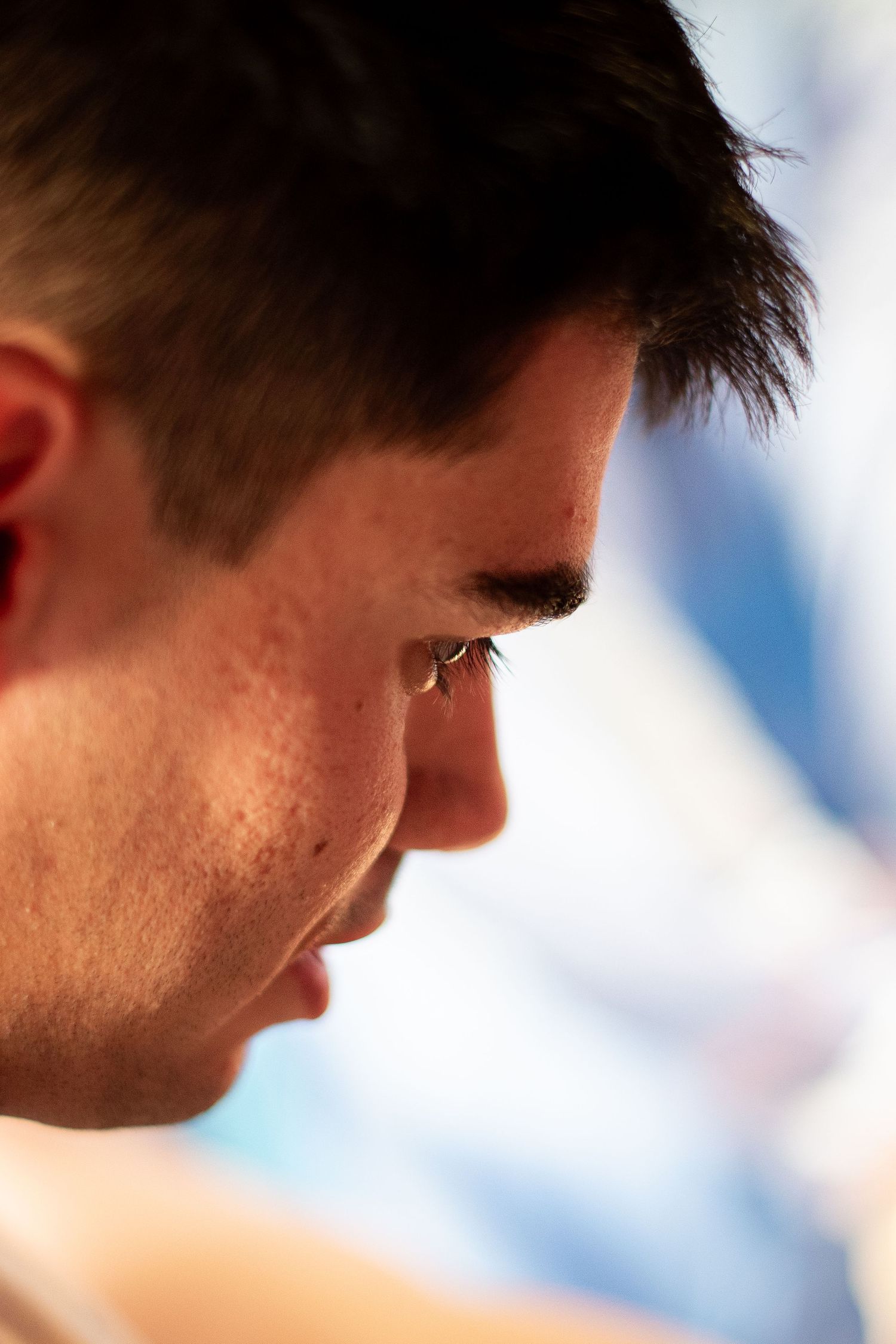
Then—5:42 p.m.
She pushed.
The shutter of my camera captured Tony as he watched her quiet determination, the way every fiber of her being gathered itself for this final moment.
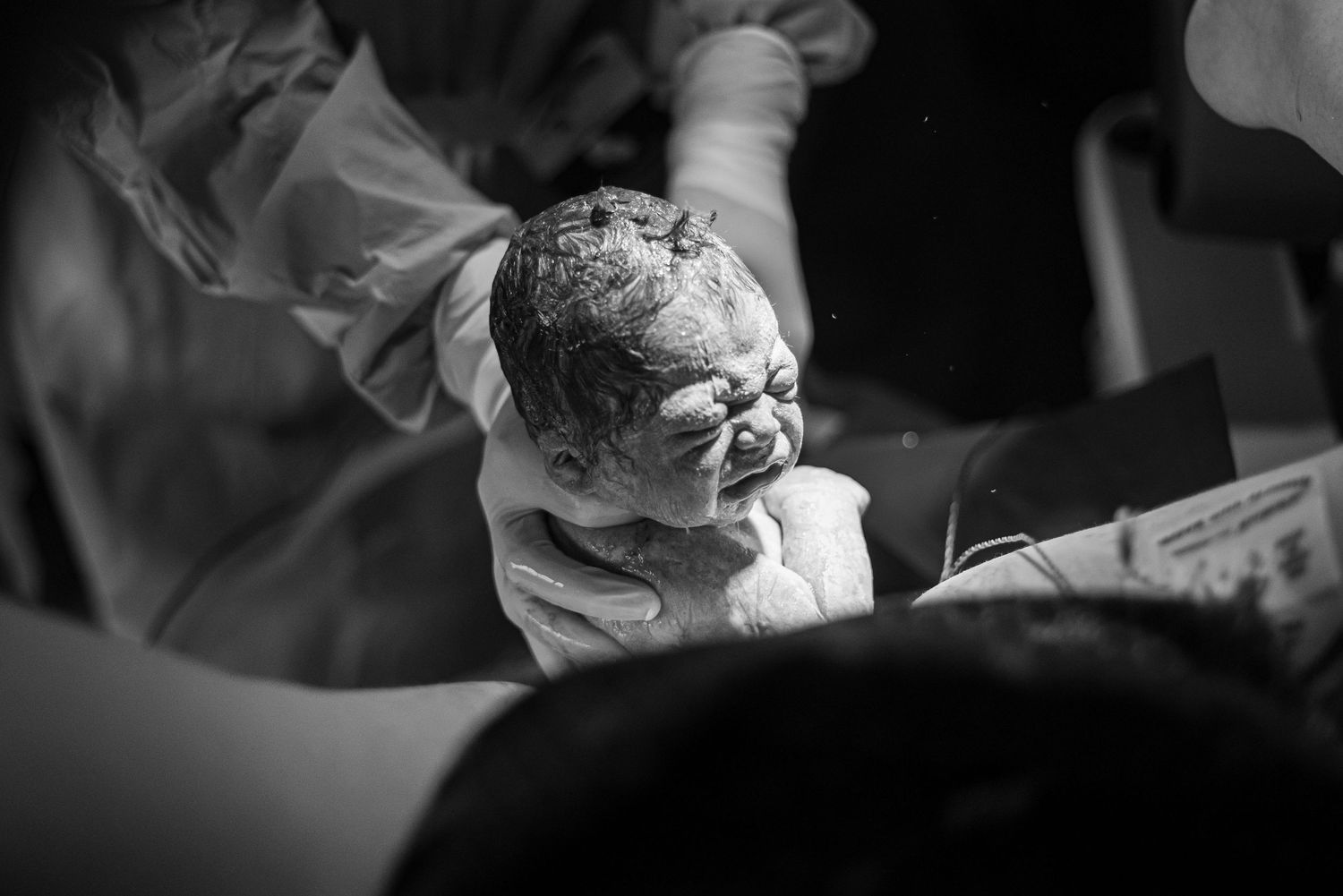
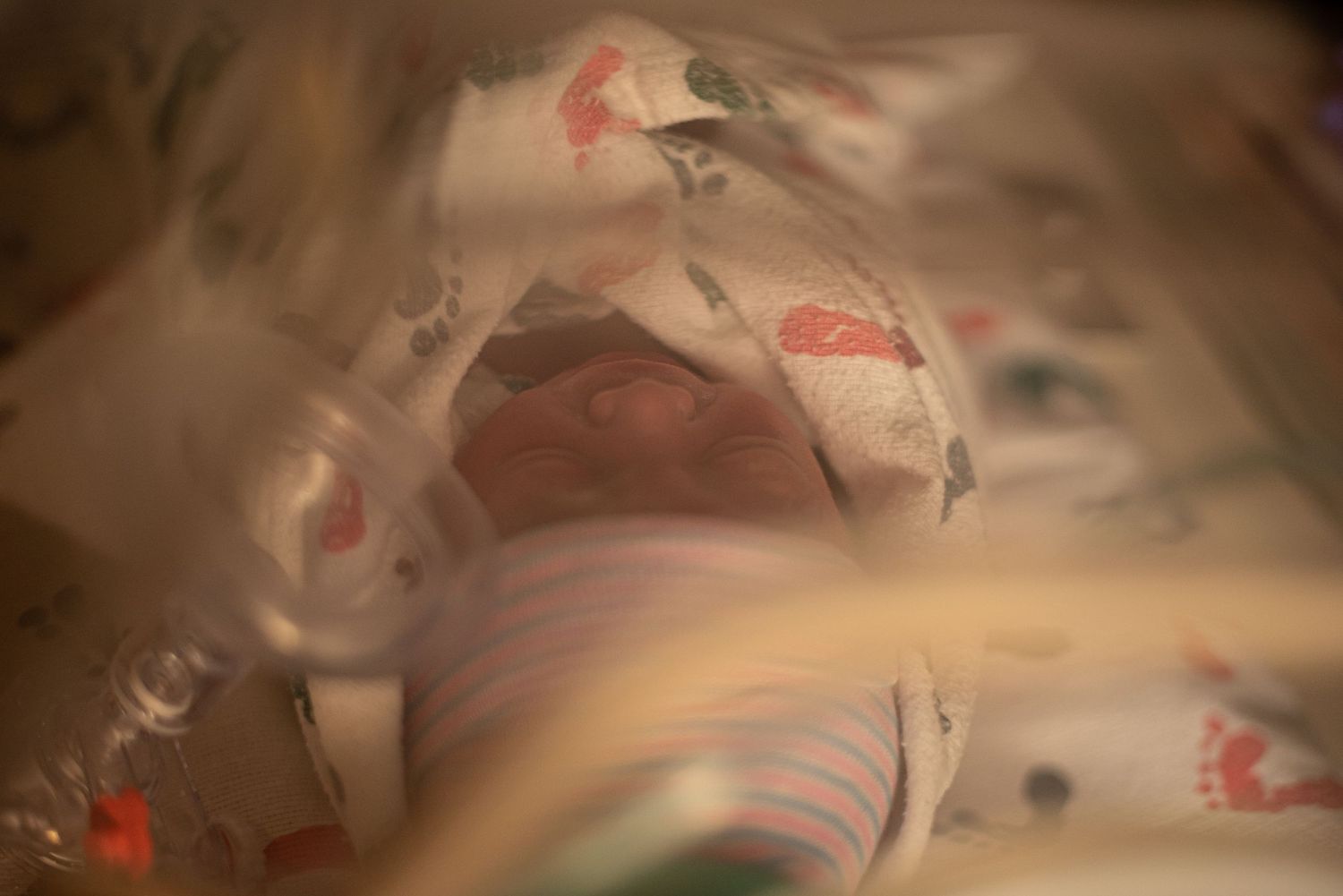
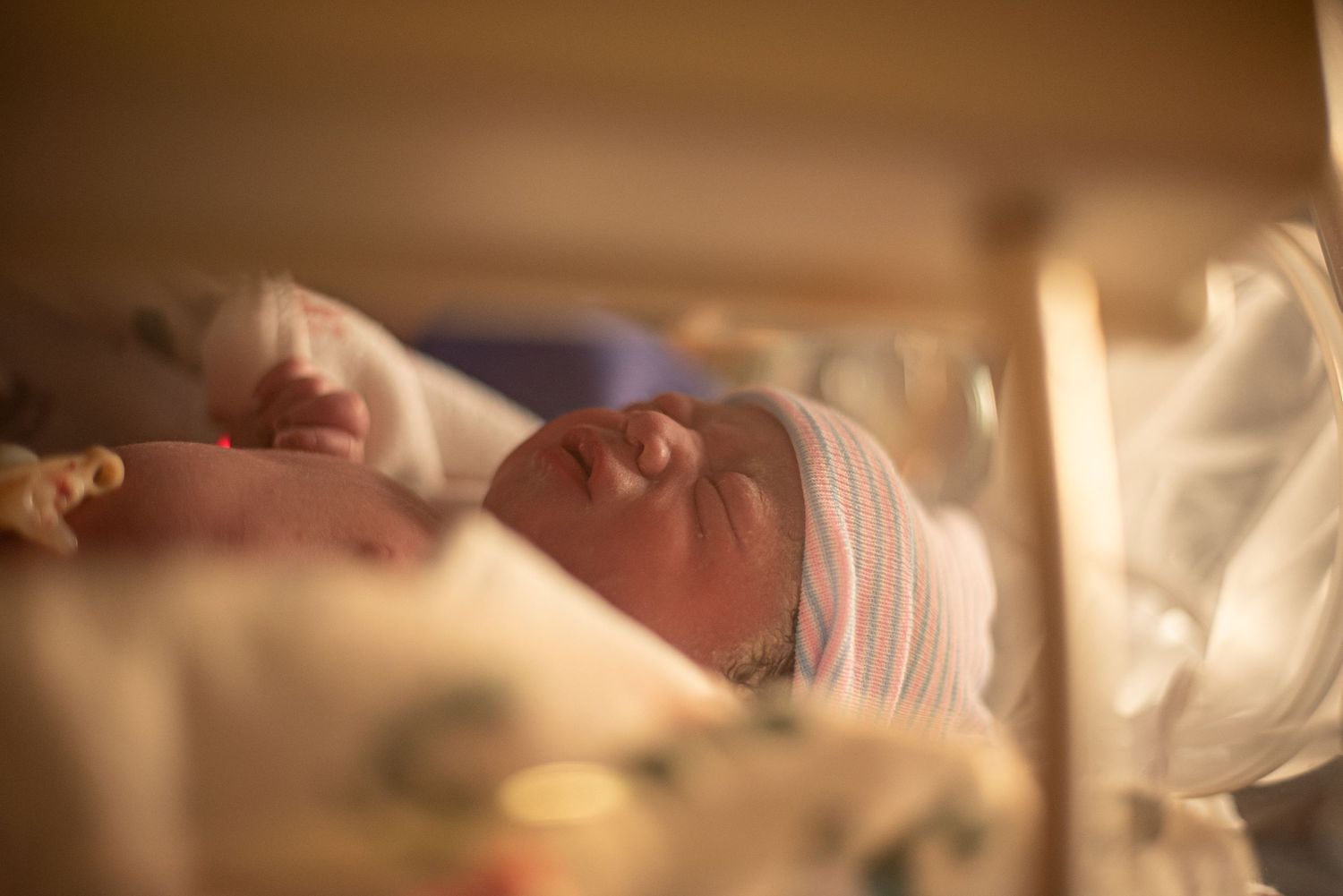
At 5:48, Samuel was born.
I held my breath behind the camera as the OB lifted him into the light.
Click.
A perfect image.
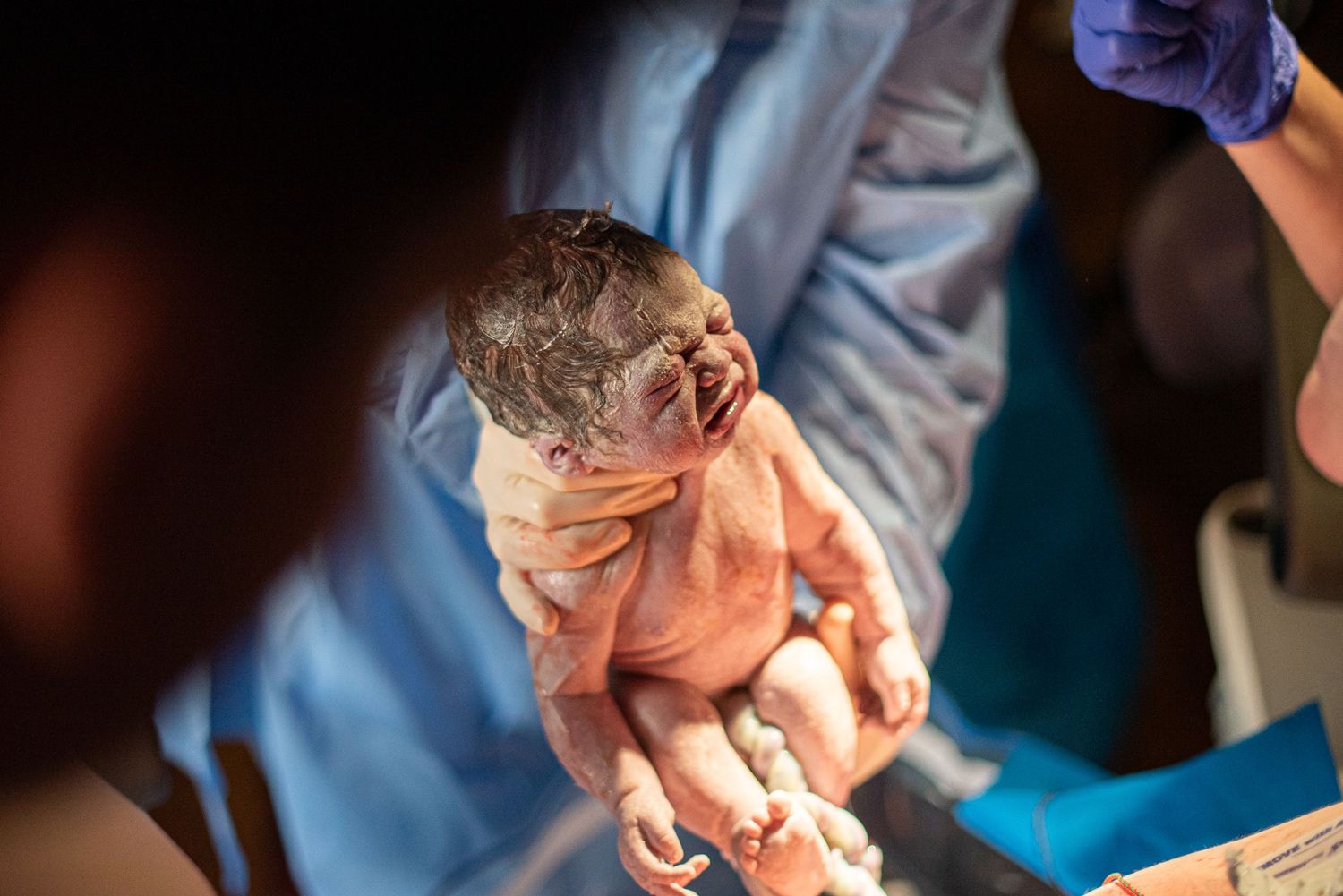
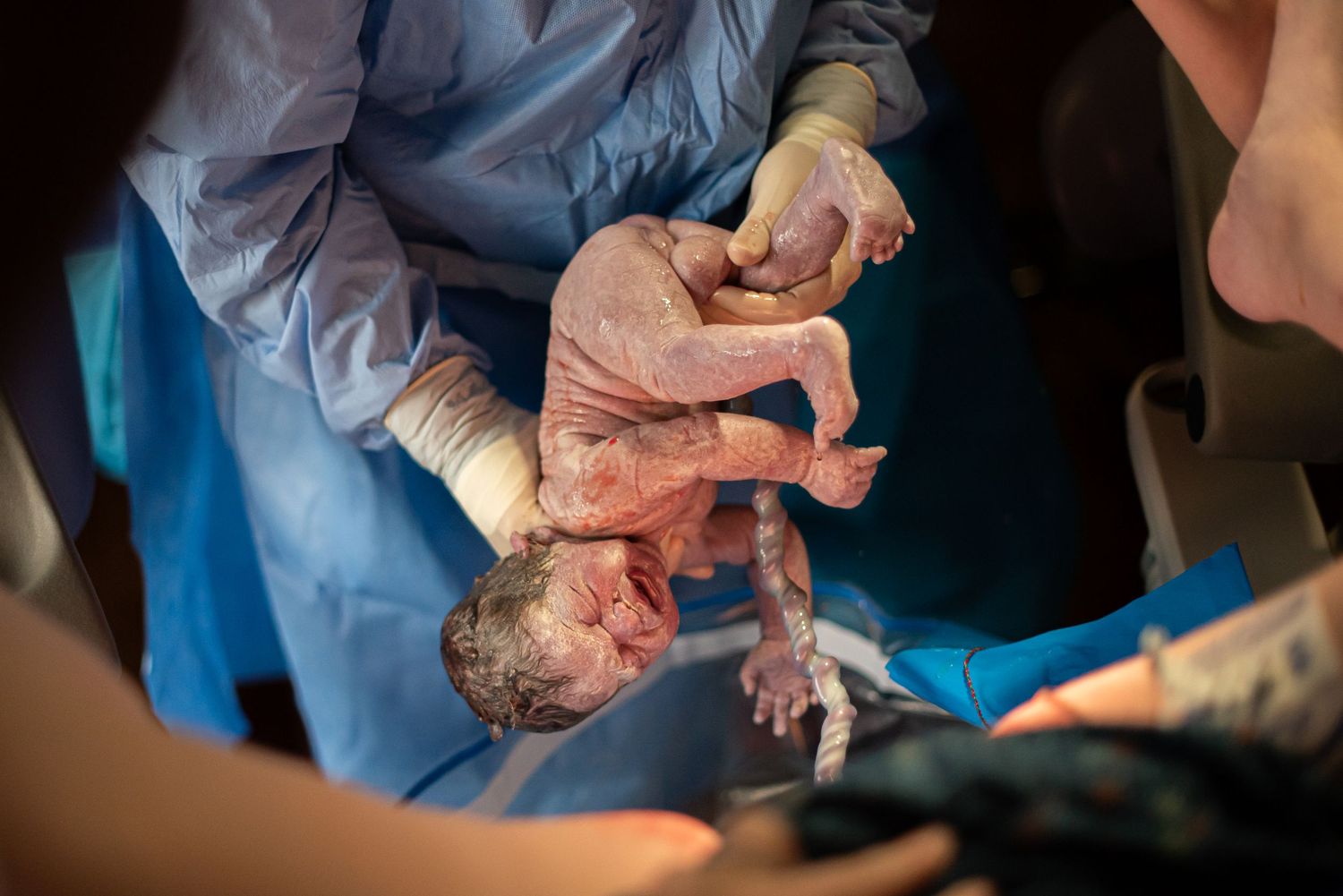
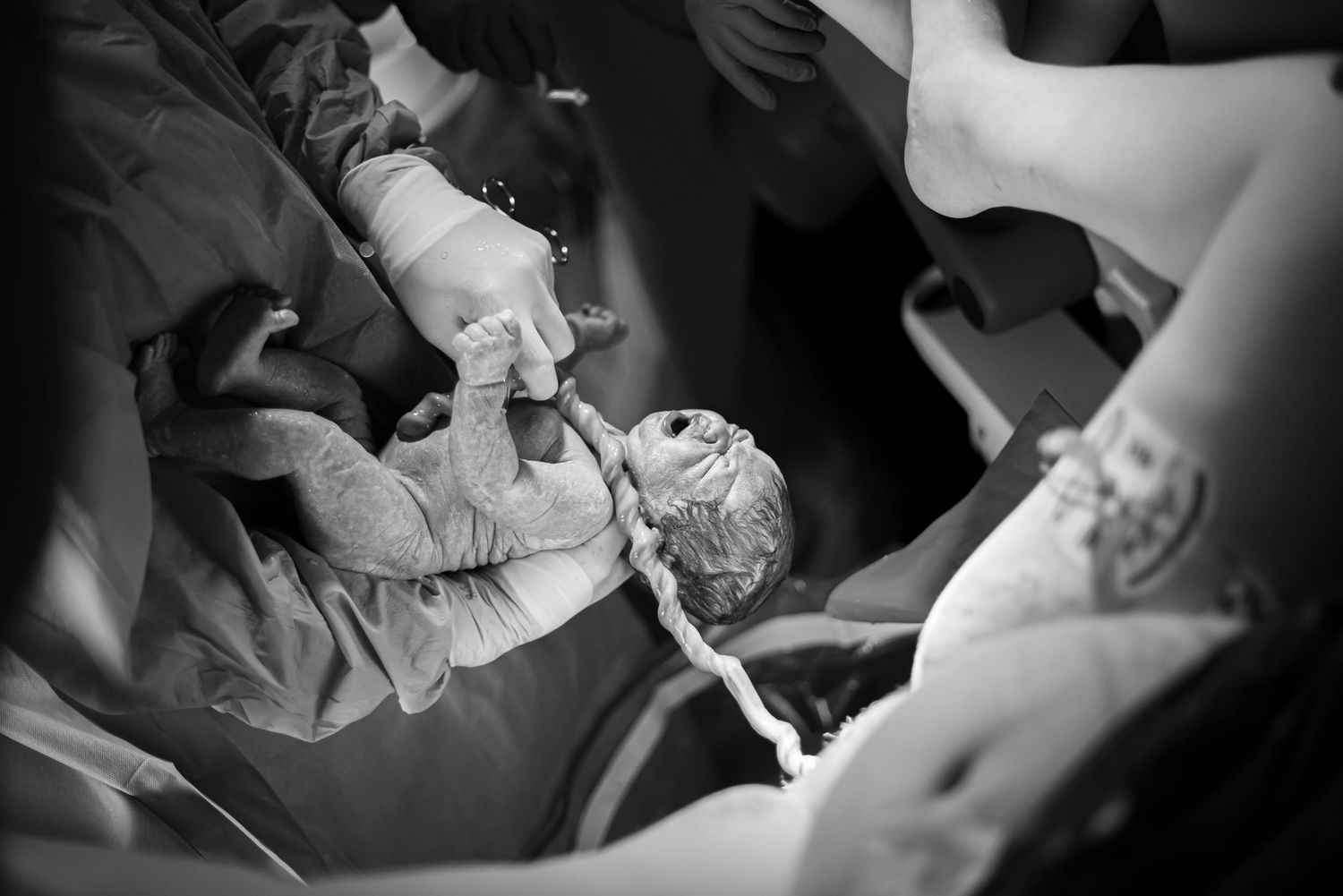
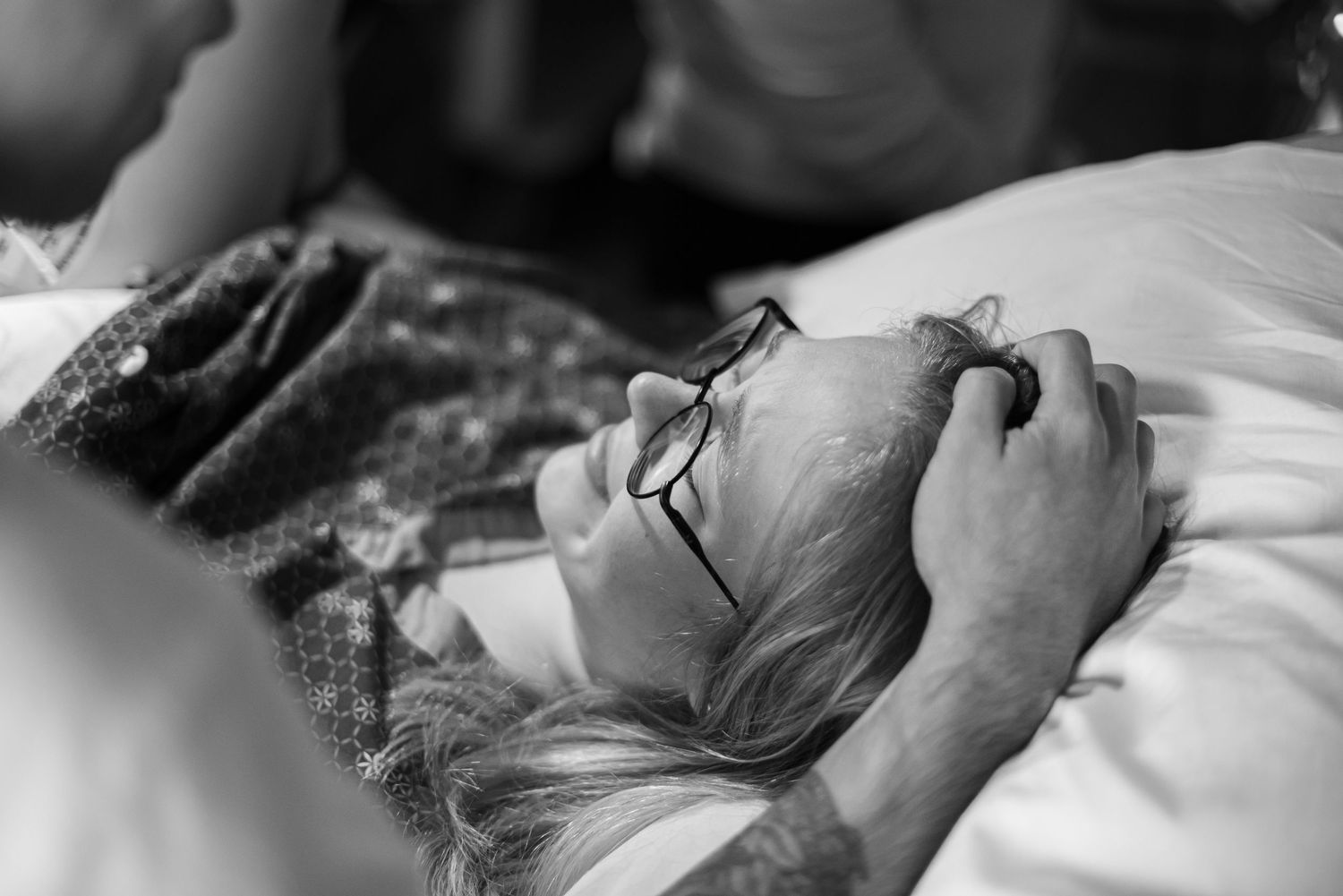
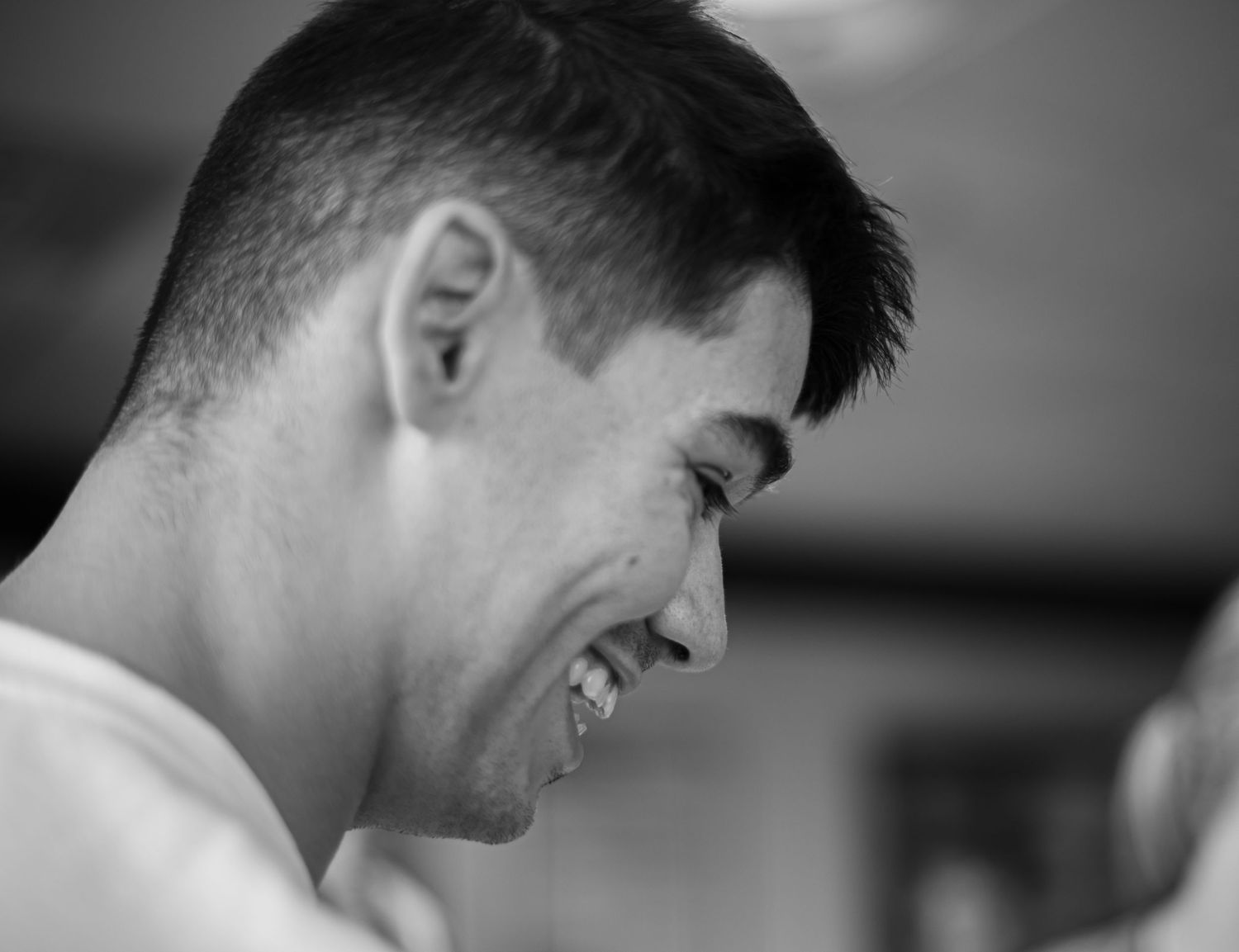
The nurse, had asked earlier, “What color do you think his hair will be?”
“Dark,” Loren had said.
Now, as she looked down for the first time, she saw she was right.
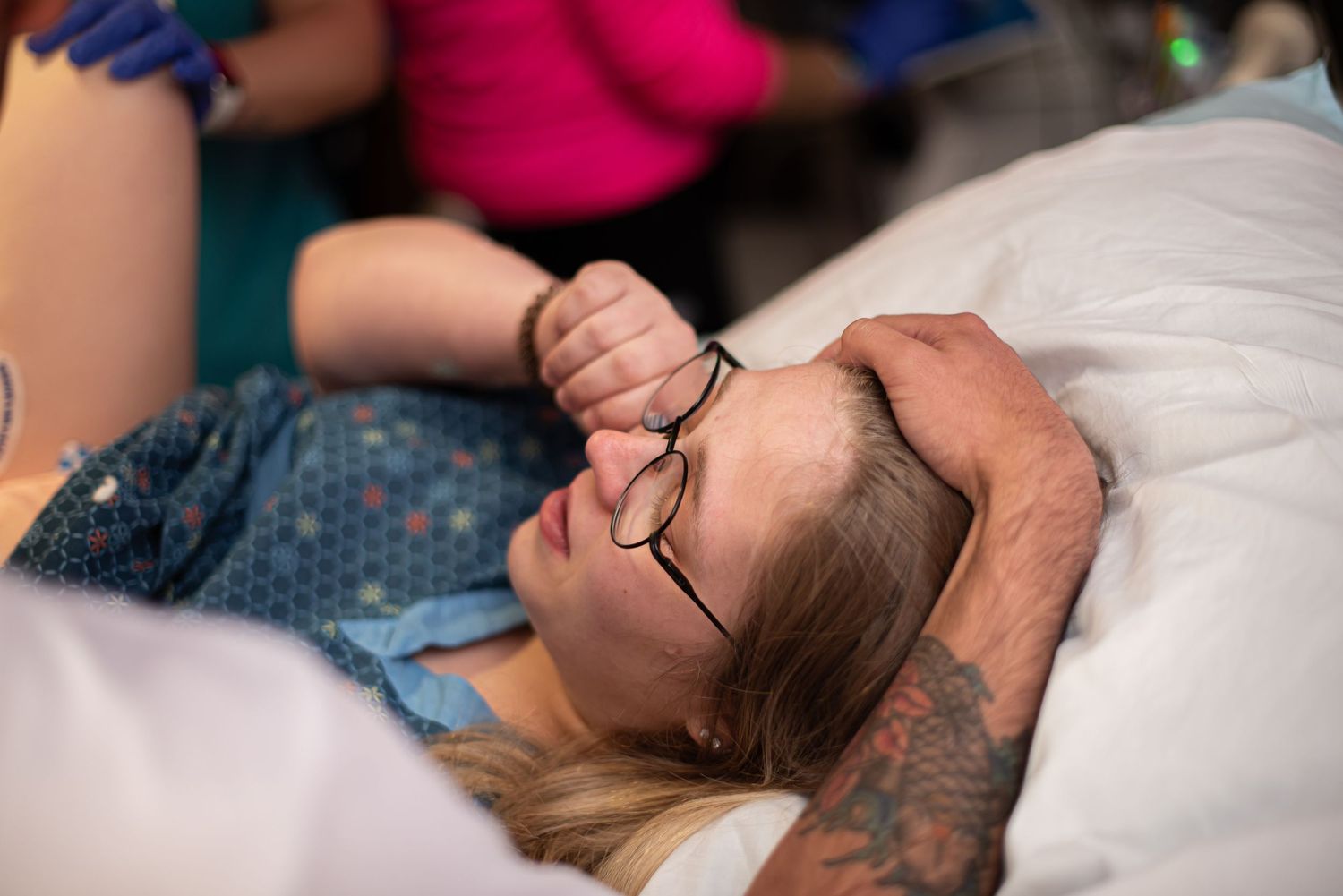
His cries were faint, and my camera caught Tony’s hesitation—his instinct to stay with Loren warring with his need to be with his son. Loren, steady as ever, looked up at him.
“Go see our baby.”
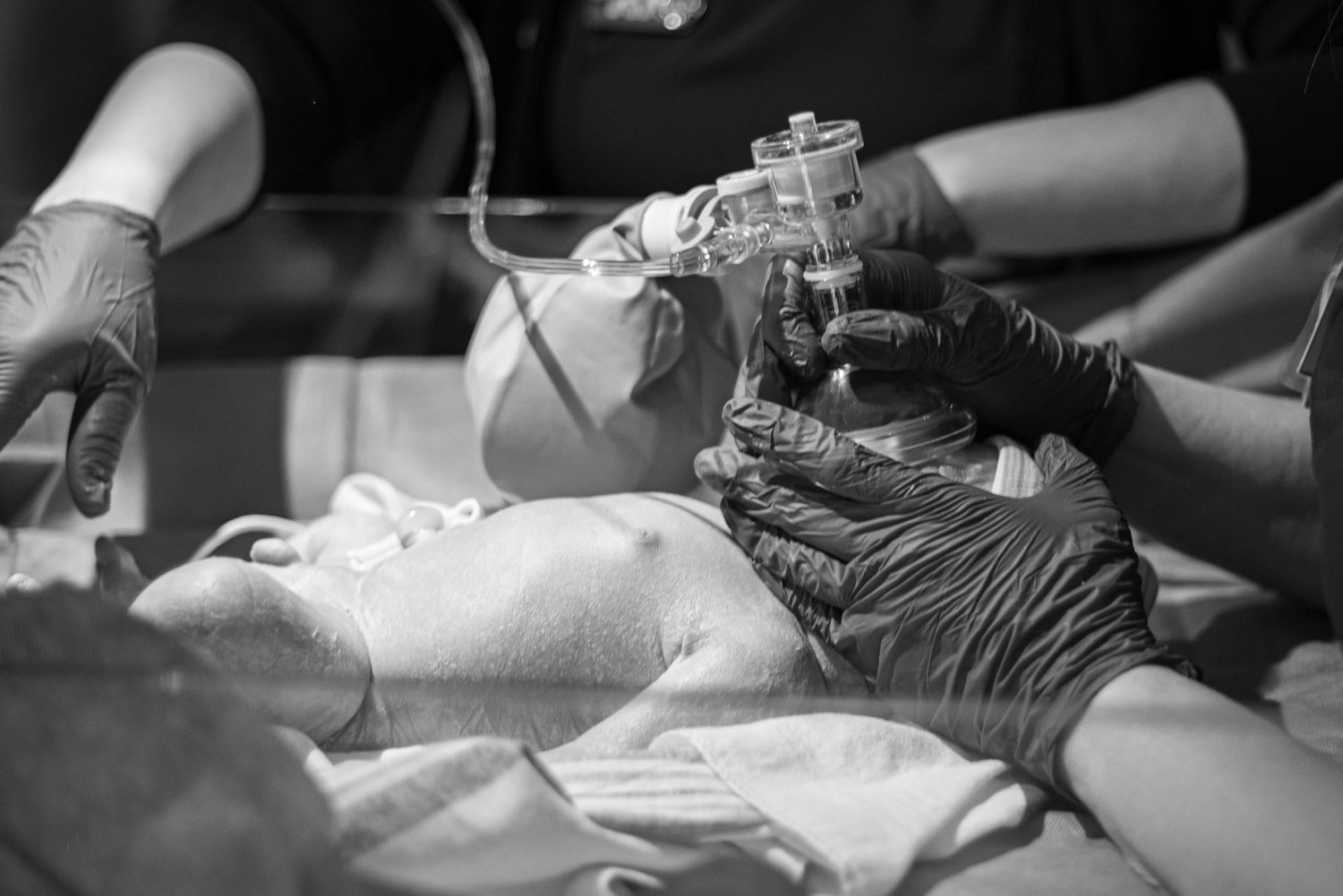
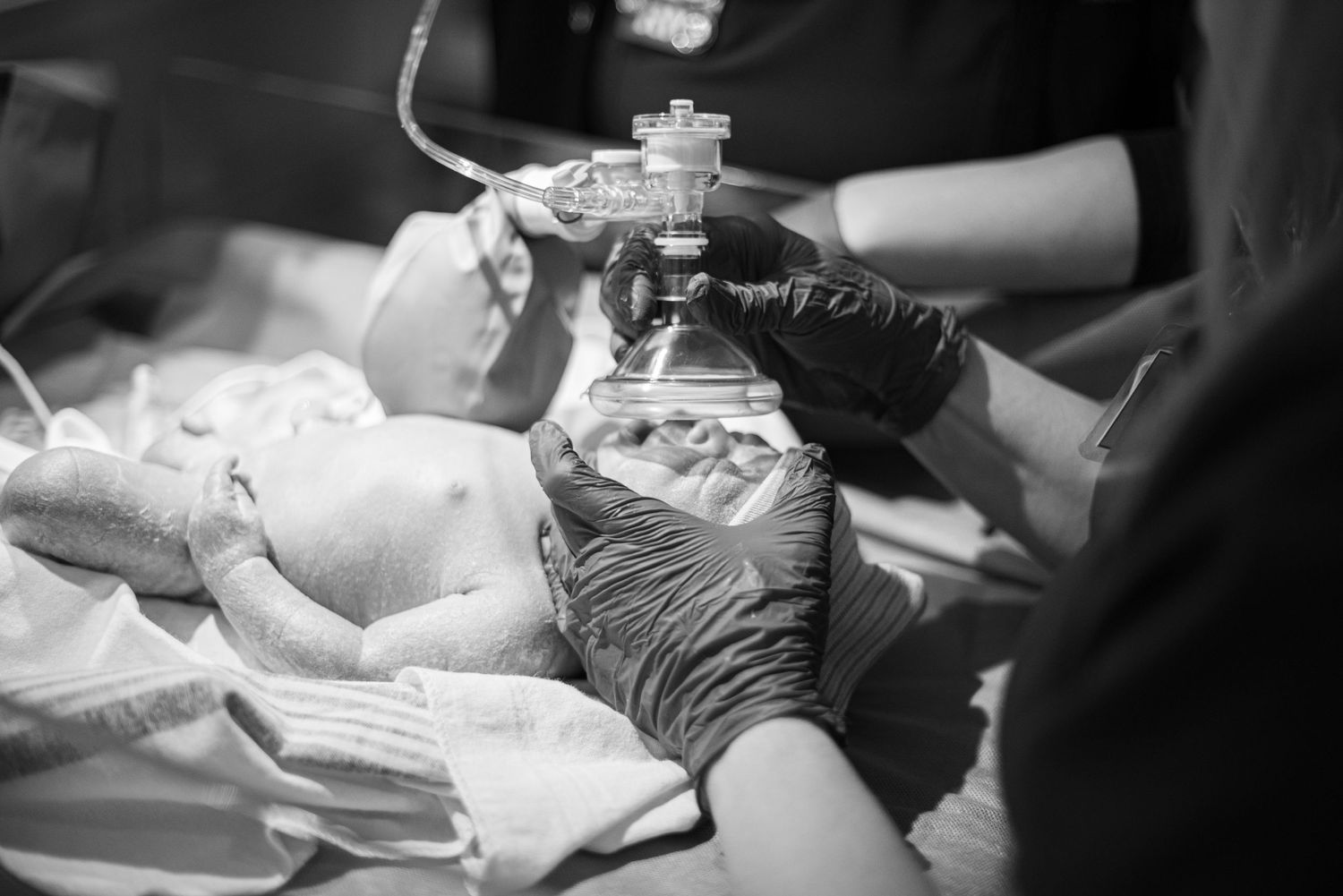
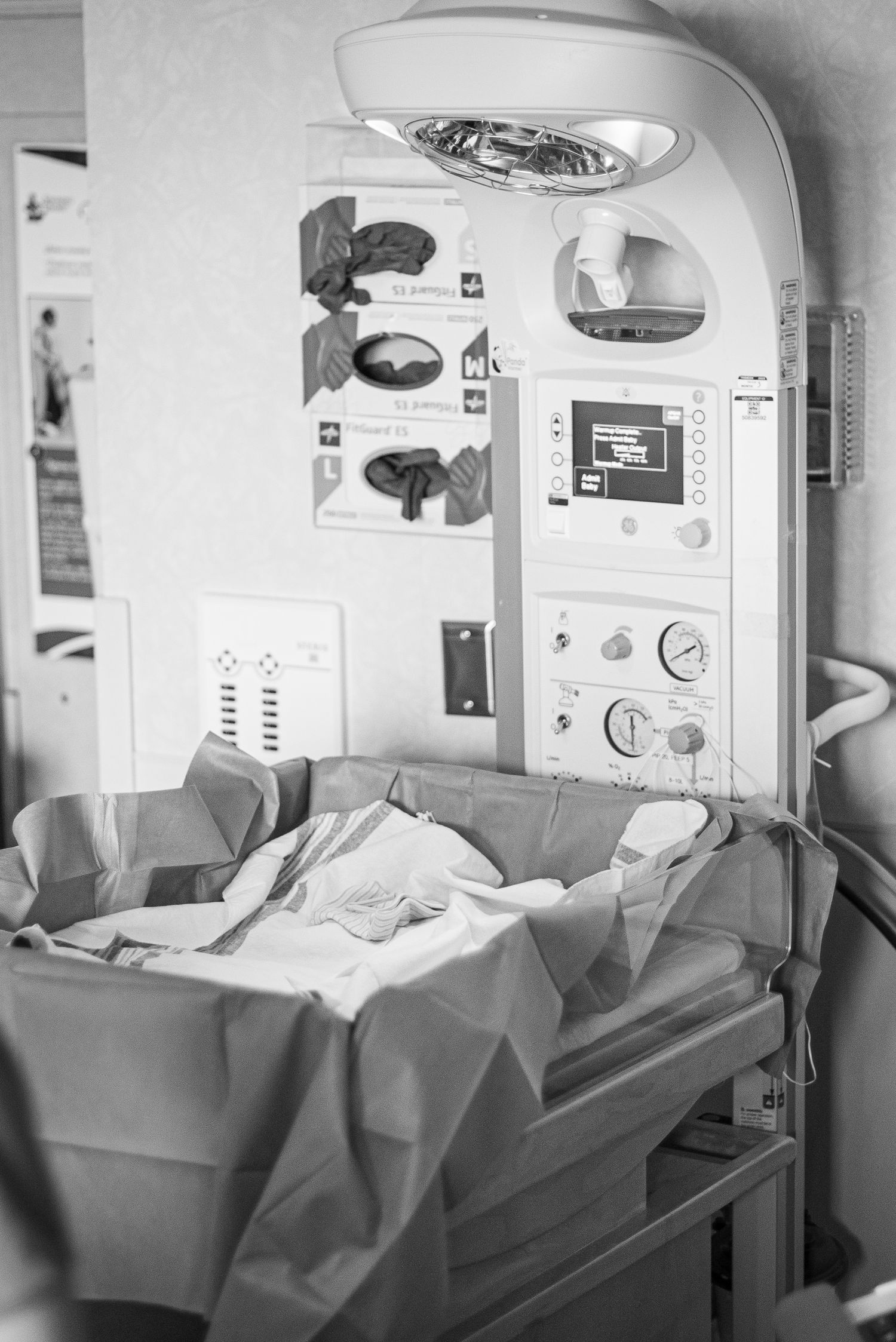
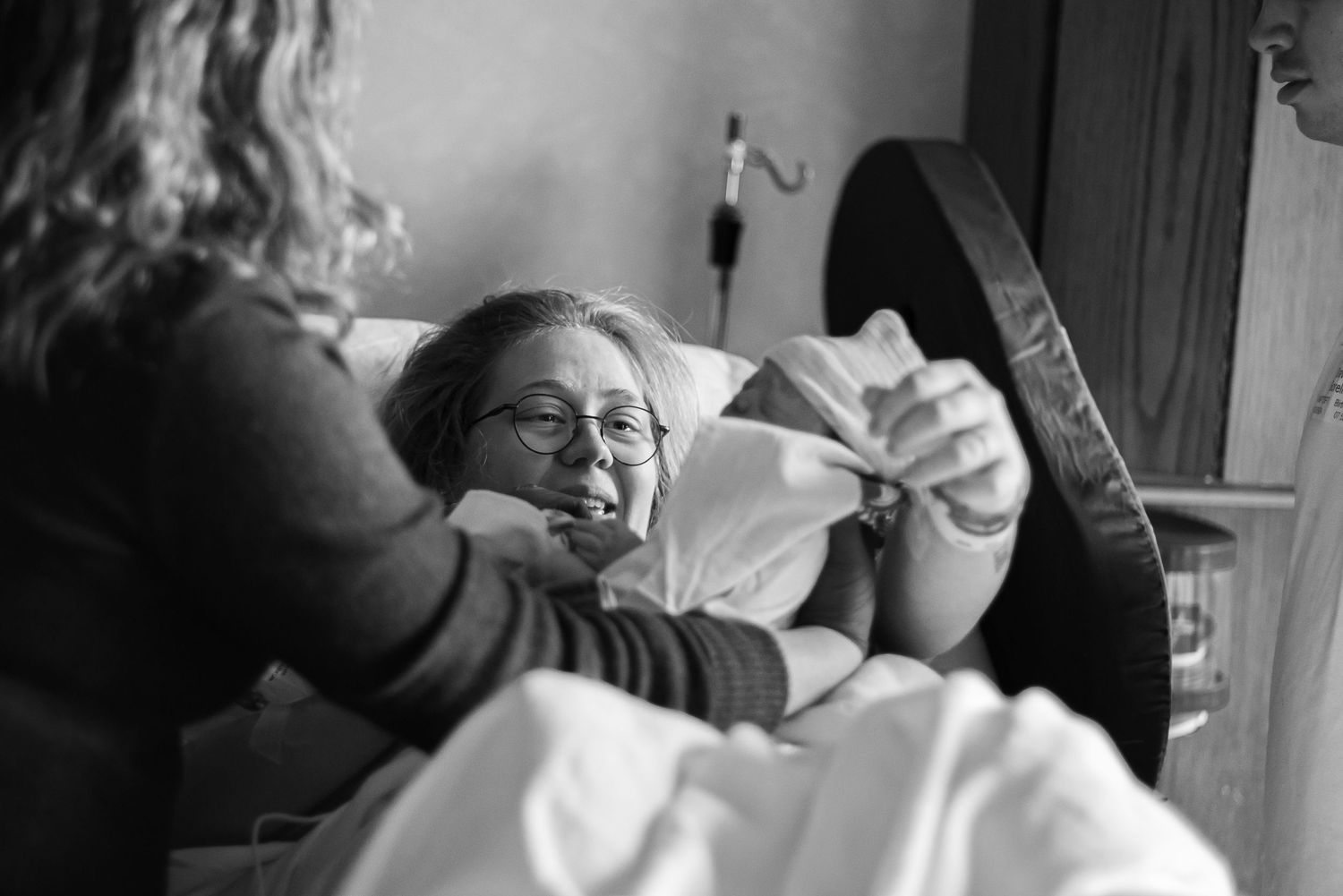
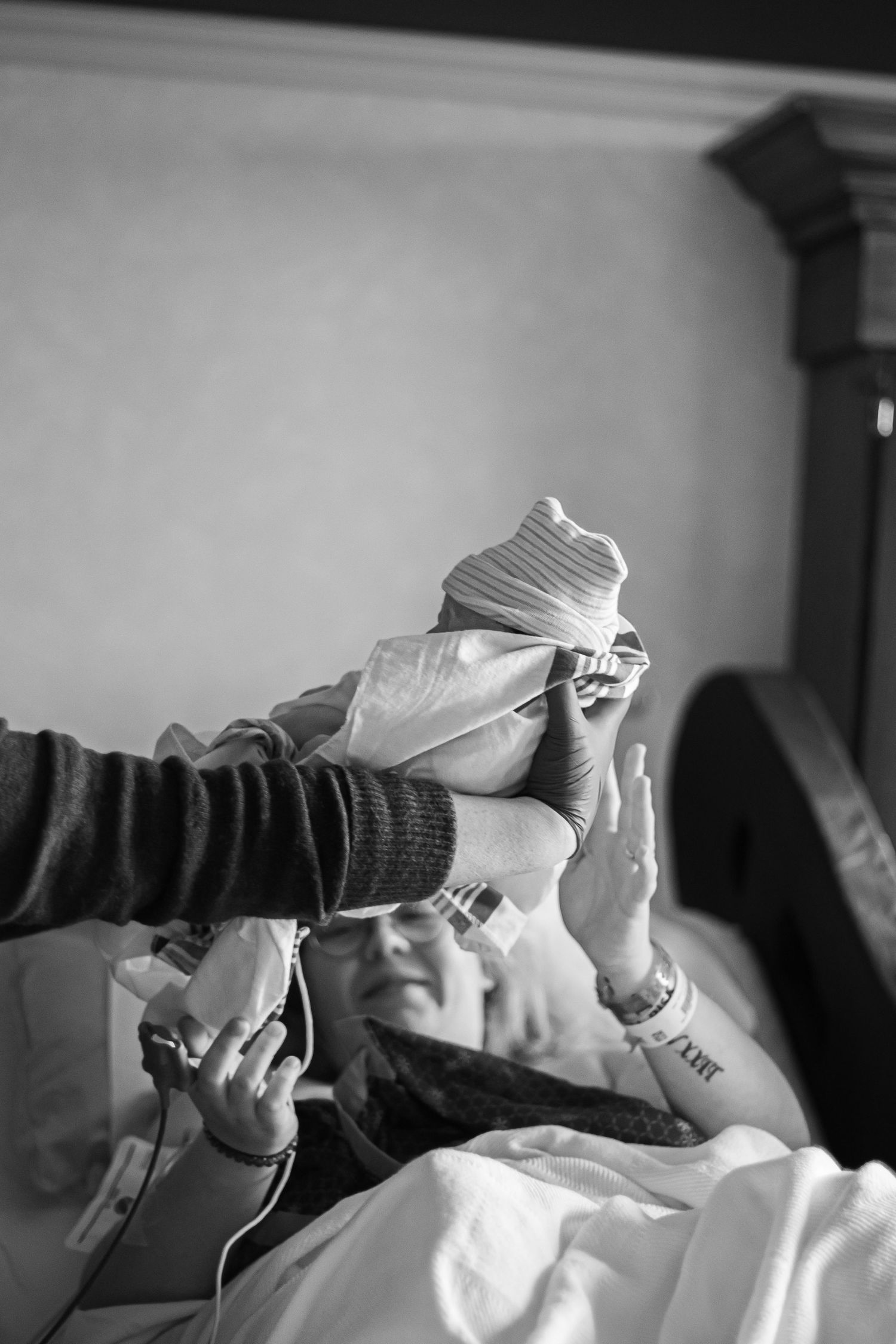
I focused my lens as Samuel was placed in her arms for those first sacred seconds. The position was uncomfortable, her body still heavy with the weight of labor, but none of that mattered. She was looking at her son.
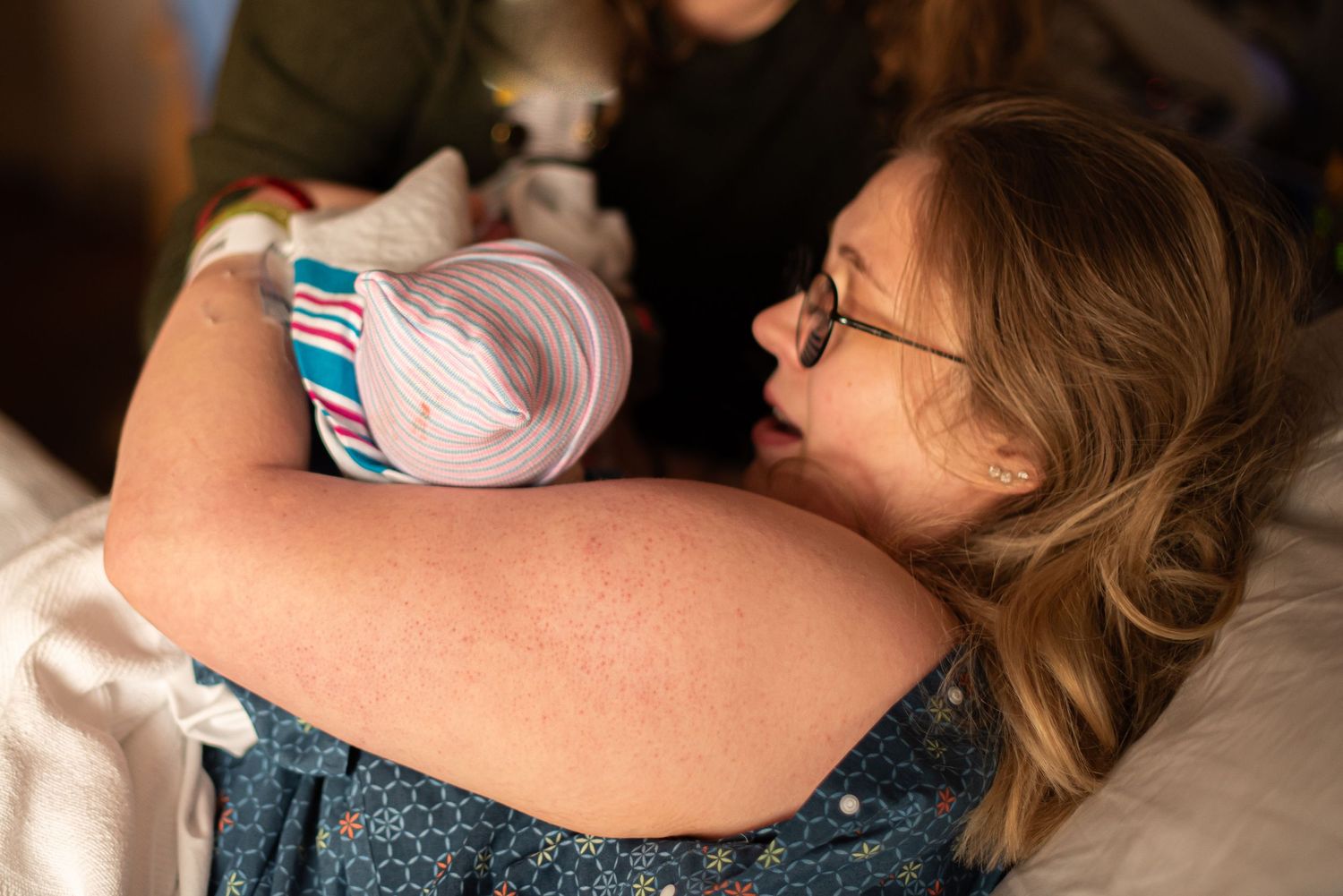
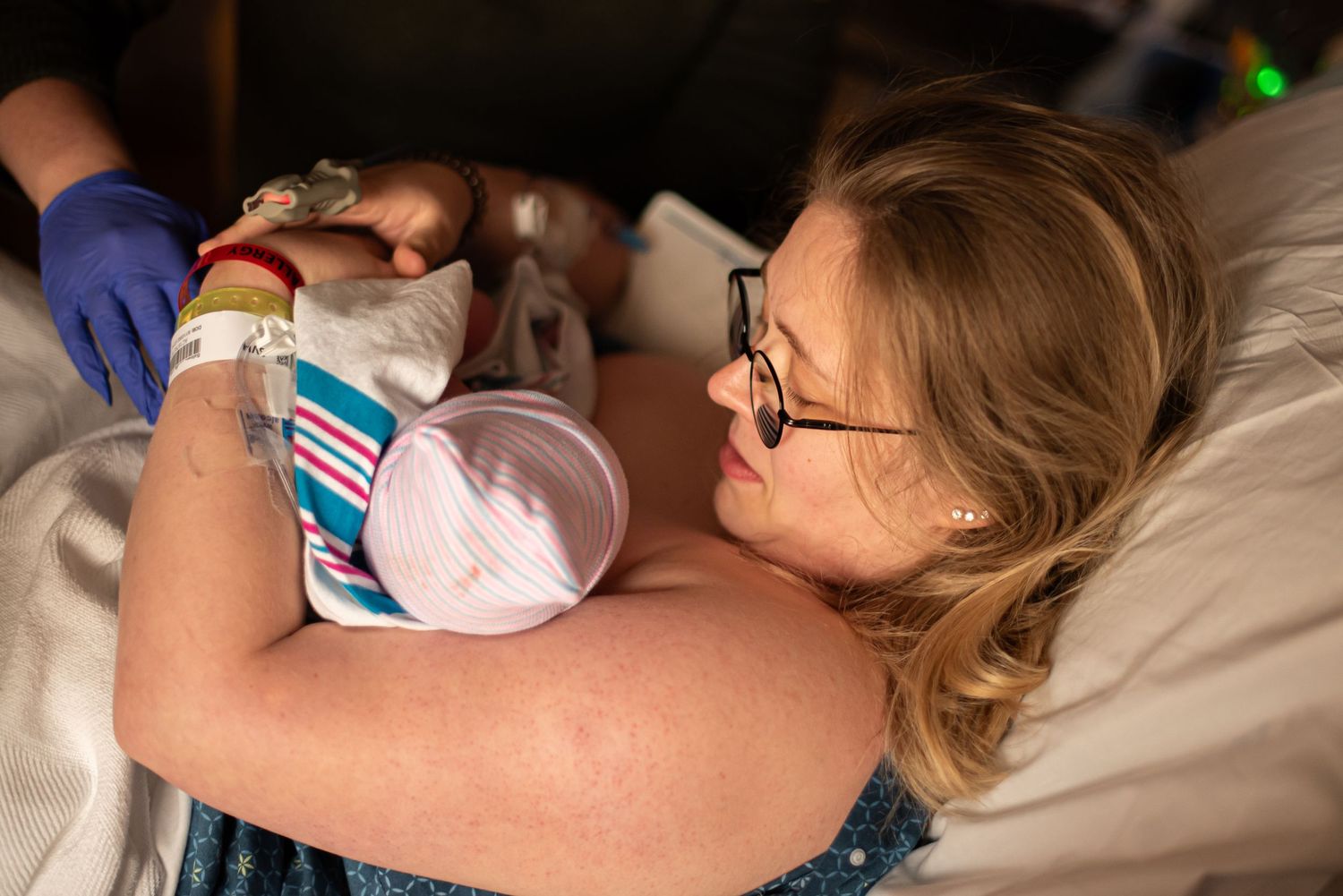
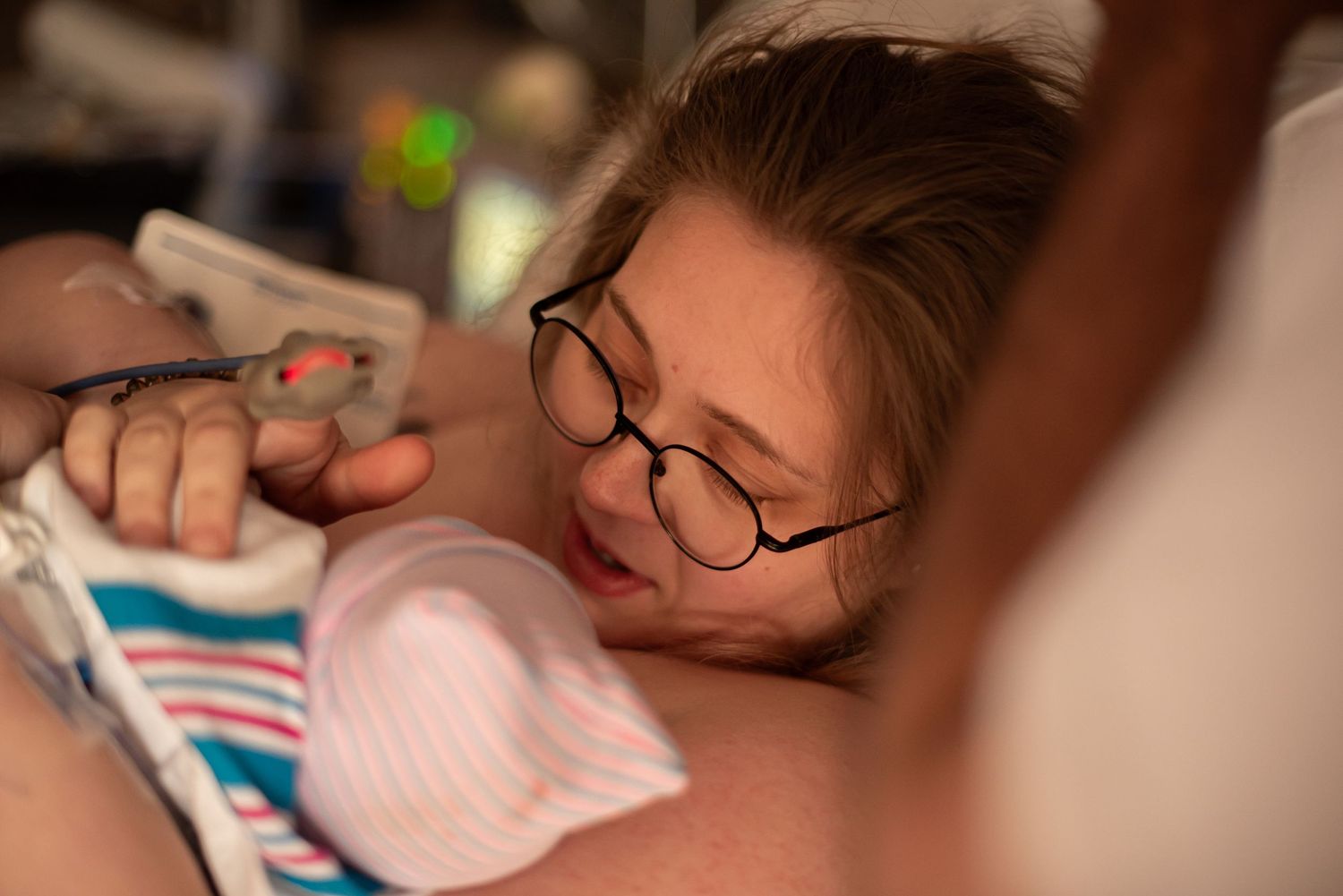
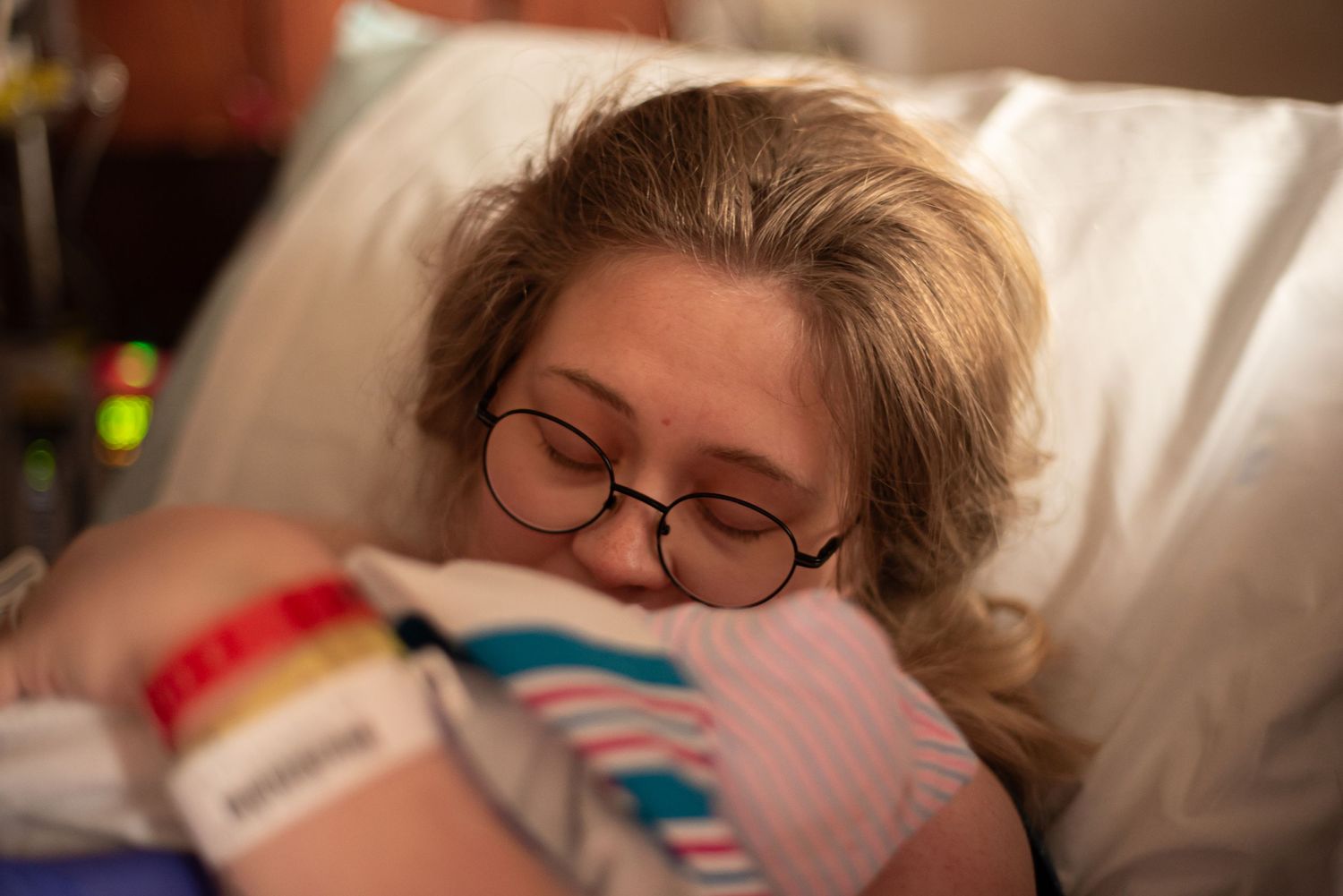
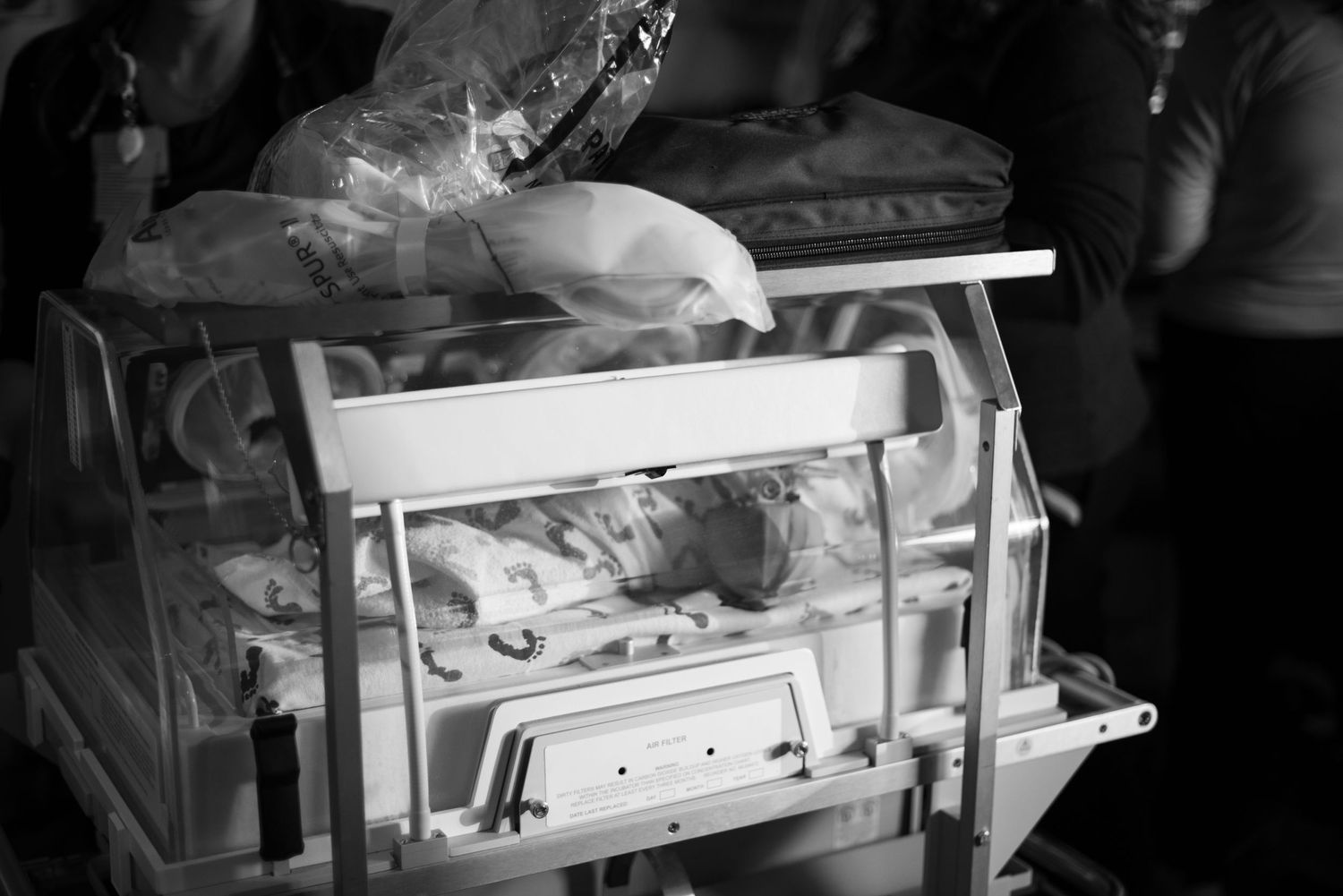
And then, just like that, he was gone—whisked to the NICU for care.
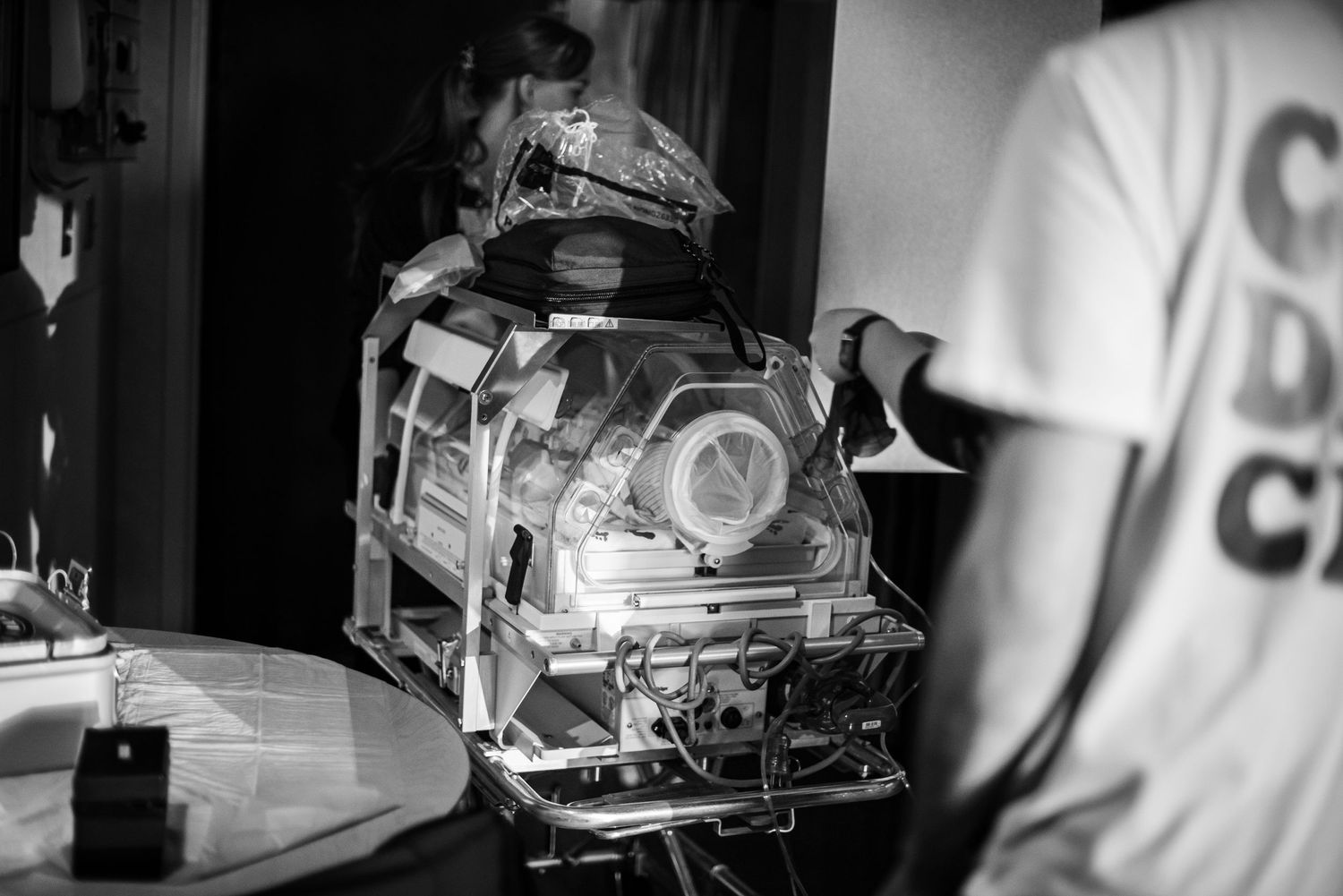
I lowered my camera for a moment, letting the weight of the moment settle. Birth is never just one thing. It is pain and power, joy and fear, surrender and resilience.
For Loren, it was all of this and more.
She had done it.
Samuel was here.
And I had the honor of capturing every breathtaking, messy, beautiful second of it.