A Person First
There is a funny thing that happens once you photograph enough births. It's something that you wouldn't expect, because to be a birth photographer means your job is to take photos, right? At some point in my journey, I realized that the most important parts of being a birth photographer actually had very little to do with my camera at all.
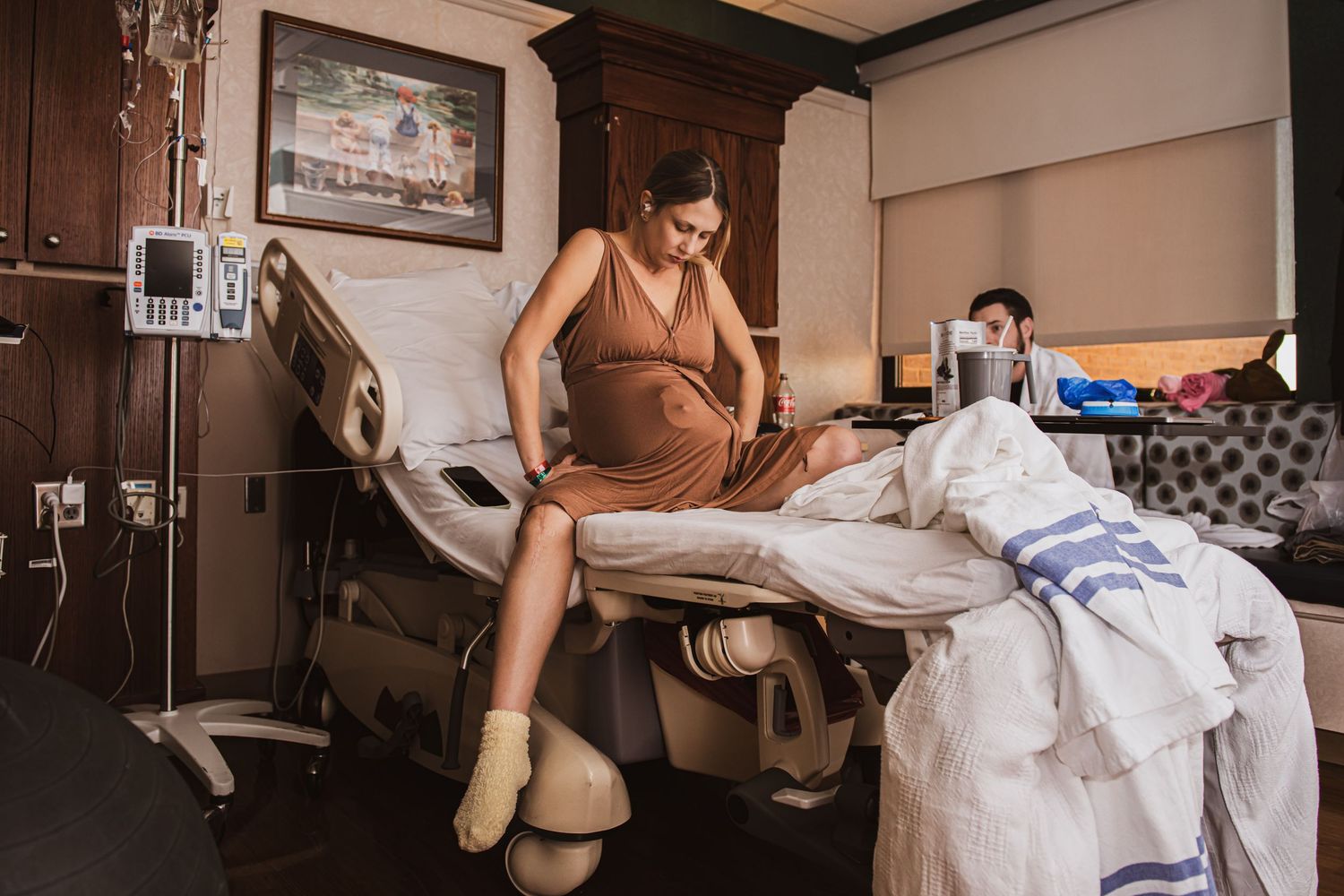
Of course, I still care about my camera. I care about my settings, the light around my subject, where I am standing, and the composition of my images. I have learned how to work in dark rooms, tiny bathrooms, operating rooms, and small rooms full of 10+ people.
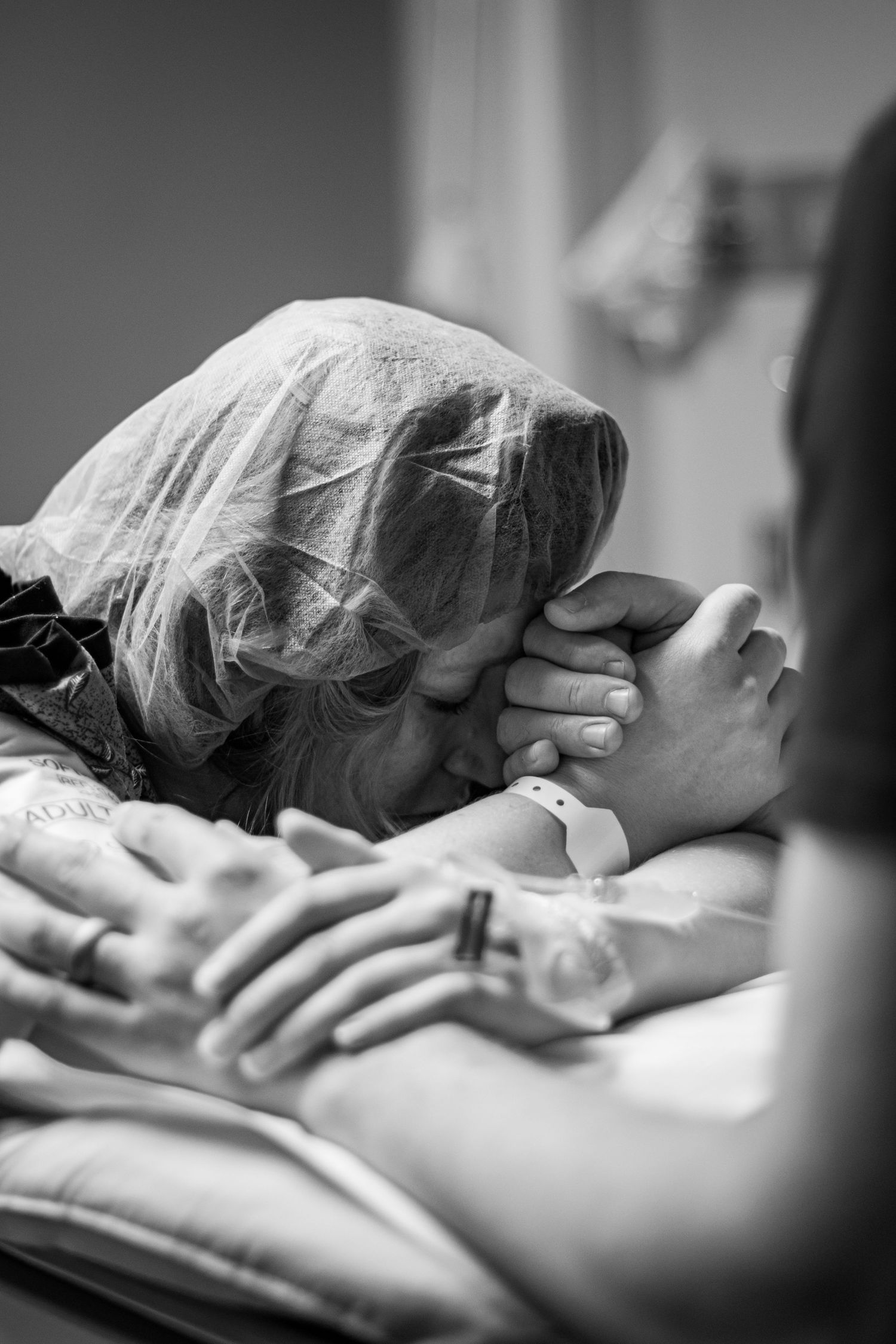
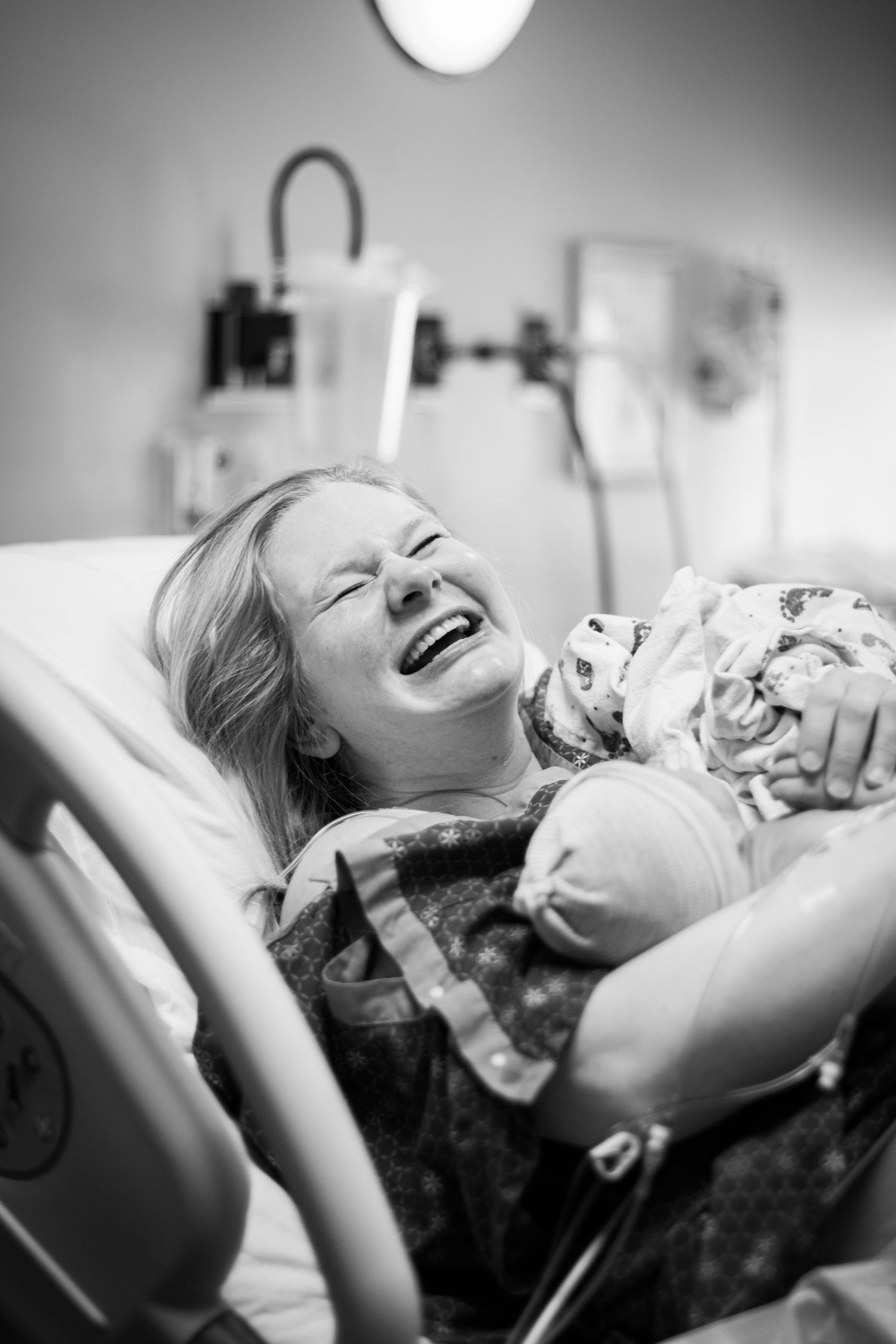
I have learned to anticipate certain moments and to pay attention to every little detail. All of that is small potatoes compared to the rest of my job as a birth photographer.
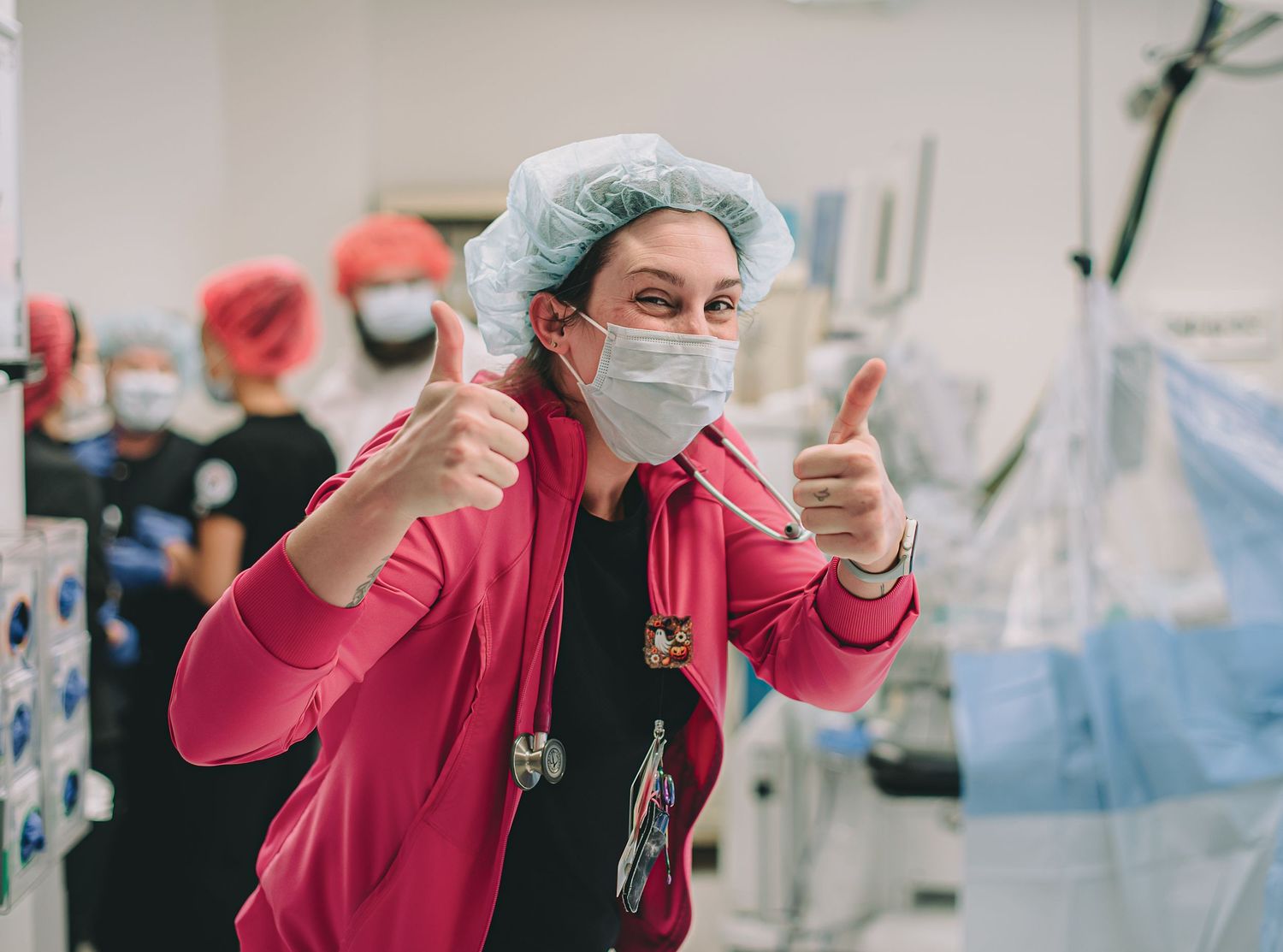
When someone invites me into their birth space, they are inviting me into the most sacred moment of their lives. It can be messy, exhausting, scary, funny, and also absolutely extraordinary. It can go from completely ordinary to incredibly intense in a matter of seconds. People are vulnerable. They are tired. Usually, they are even naked. Sometimes they are vomiting or crying or both.
Partners are figuring out how to help, nurses are focusing on many jobs, plans change, emotions shift, and I need to be still and calm, camera in hand, waiting for the next memory to begin.
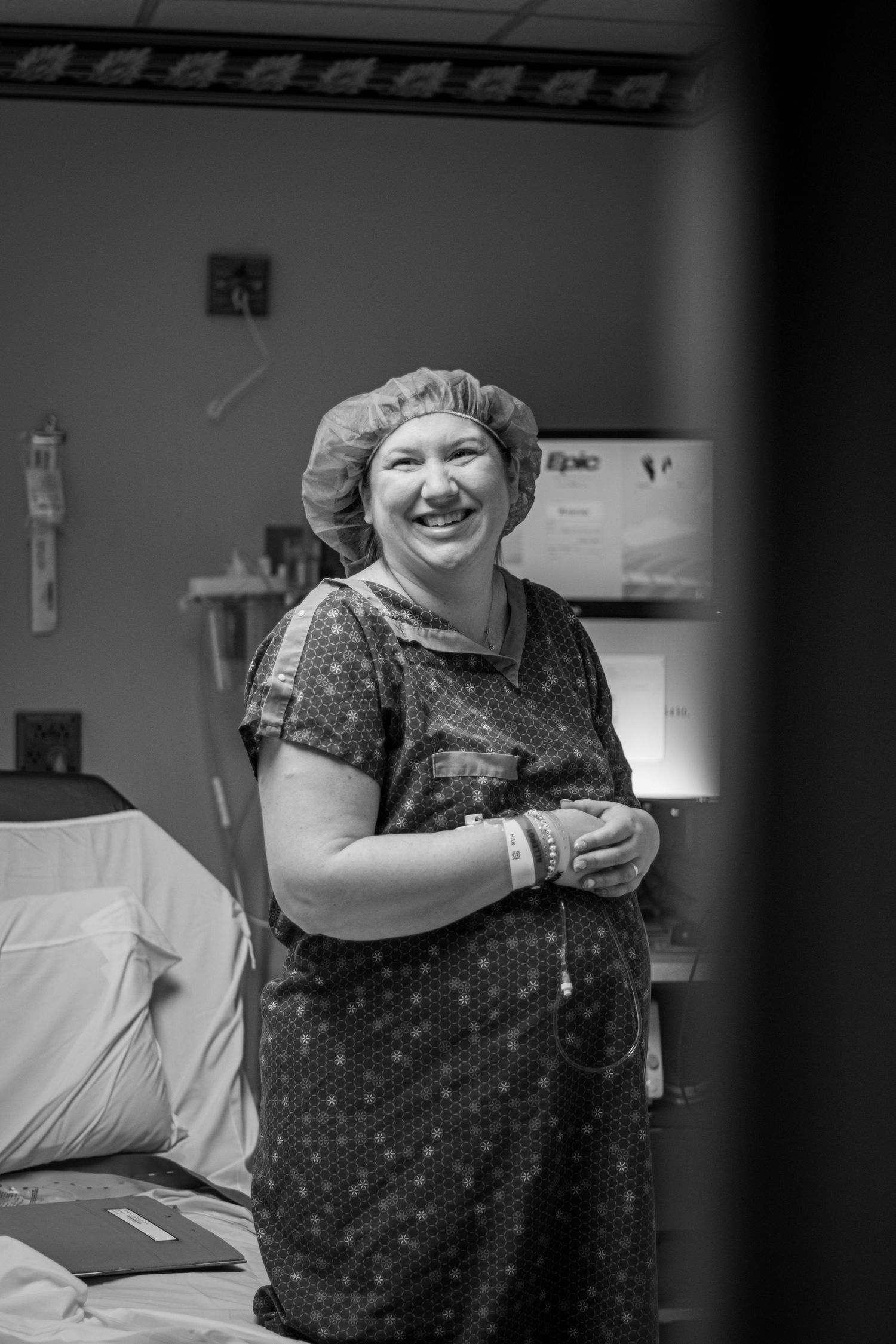
I think one of the biggest things that birth photography has taught me is that the person is front of my lens is a person before they are ever a subject. Their birth is not happening for me to photograph.
This is not a styled session and I cannot rearrange the room, suggest an outfit change, or ask "one more time" because I missed the moment. I'm stepping into a space that was actively happening before me and will continue on after me. My job is documenting, without becoming the one in charge. That means sometimes I won't get the angles I want. Sometimes I do get the angle, but a family member steps in front of my lens at precisely the second I was going to get the perfect shot. Sometimes I need to move because a nurse needs to be where I am standing. Sometimes I put down my camera, because the person giving birth needs privacy or a hand to hold.
Getting every good photograph does not equate to a job well done for me.
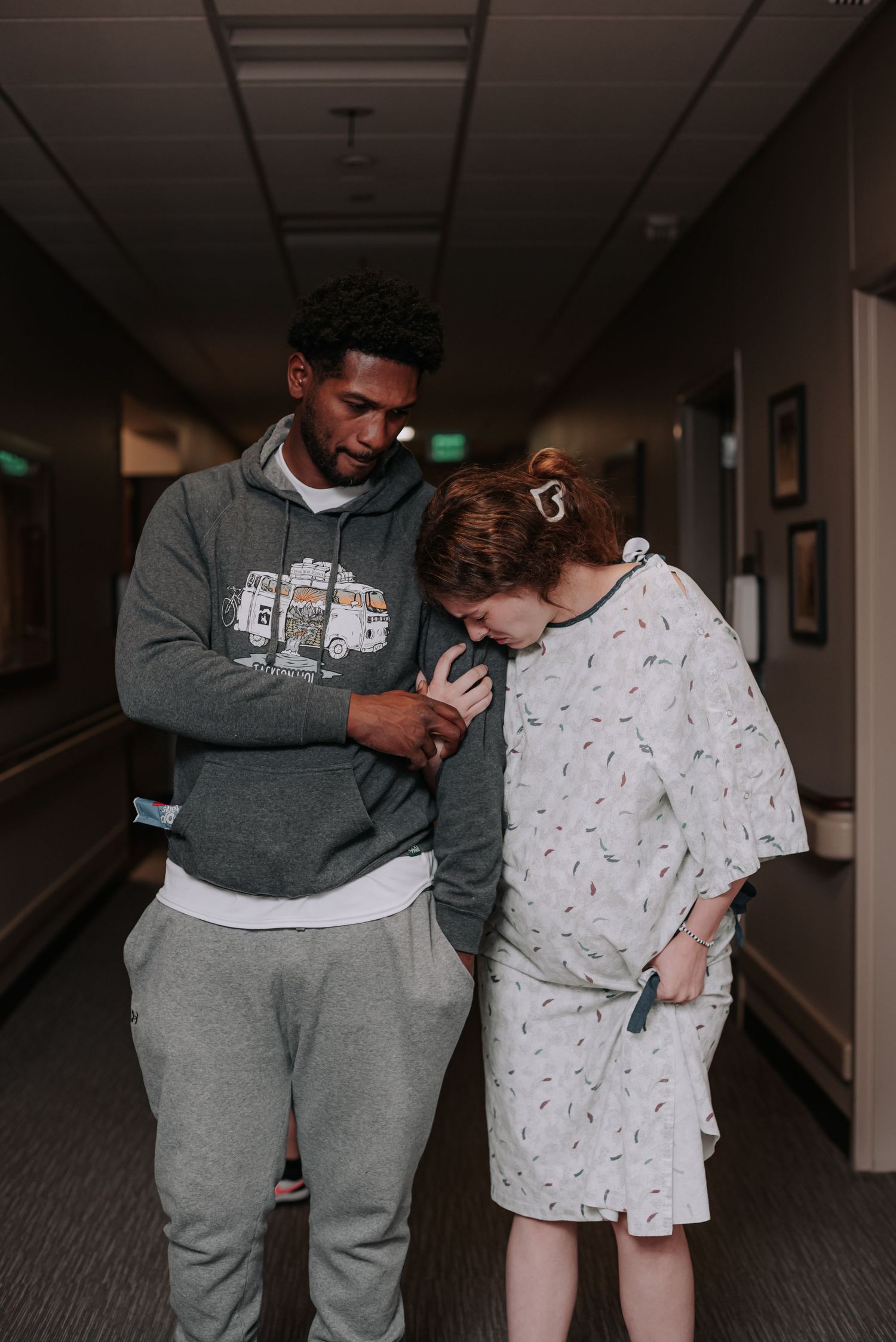
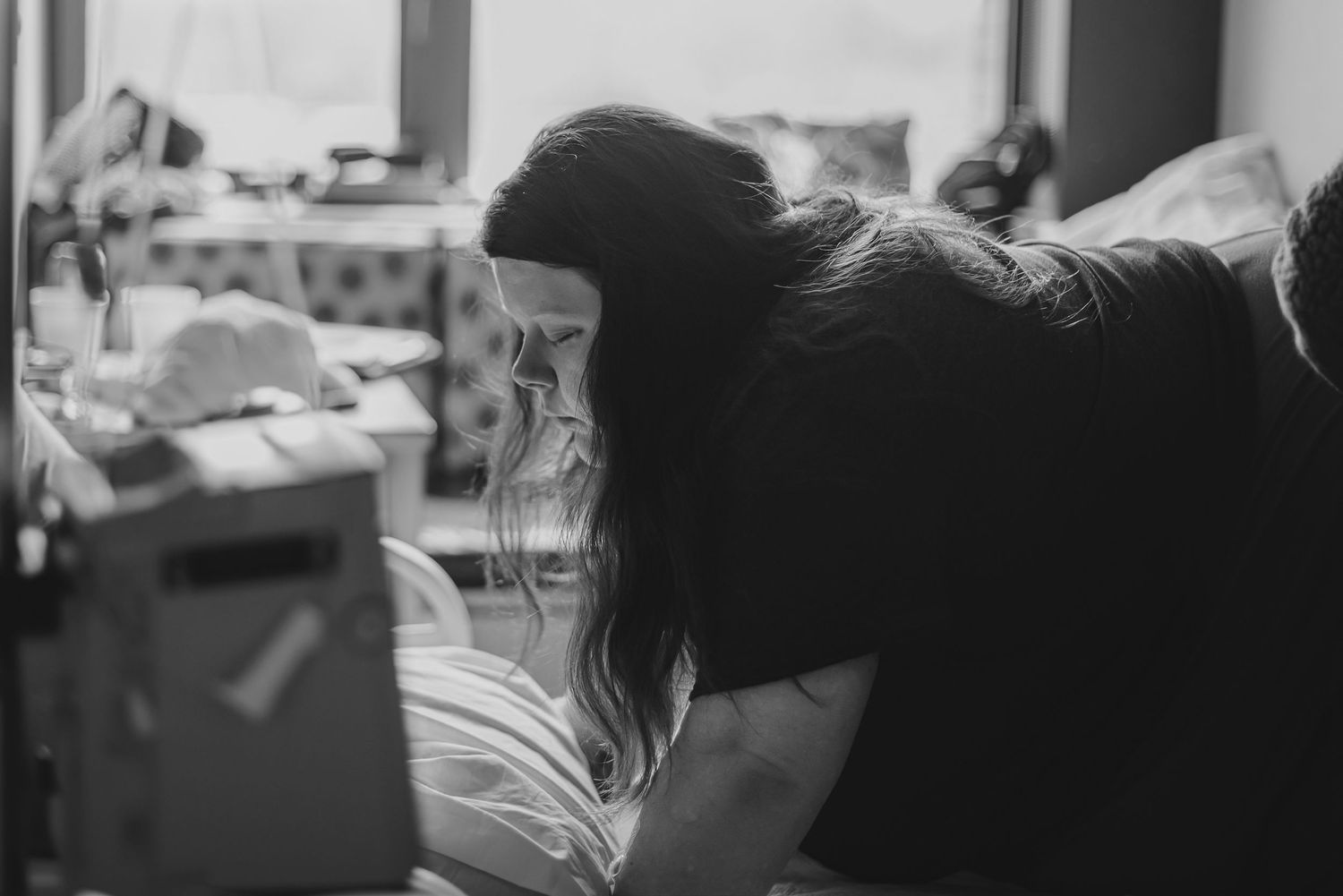
I think photographers get so caught up in creating the perfect, award worthy, eye catching image that they forget the whole point of why they are there. We want beautiful light, interesting composition, and photographs that make people stop when they see them. I understand that because Love photography! This is my art and I want to make beautiful work too. But birth has changed my mindset.
It has made me view differently what makes an image valuable. Sometimes the image that mom loves most is my least favorite. Sometimes it's the image where I missed focus a little so it's soft. That is easy to overlook when you are trying to create something dramatic.
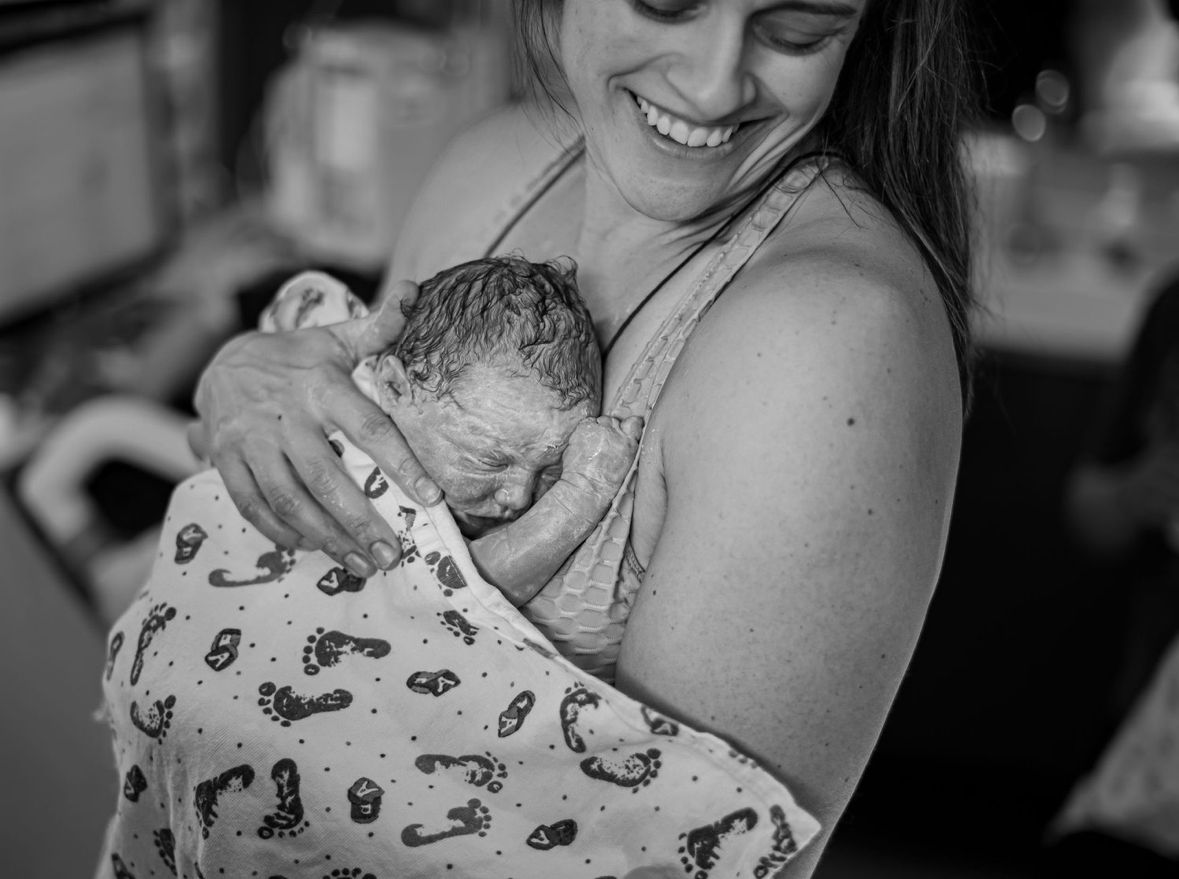
That is one of my favorite parts of this work. I love when I can show somebody a part of their birth experience that they would not have known existed if I weren't there to document it.
One of the biggest things that stands out to me when I think about an example of this would be the look on a mother's face as a baby is placed on her chest. Sure, she can see what her partner's face looks like even if it might be a little hard to remember, but she'll never be able to see the look on her own face. She may not notice her mom in the corner with tears. A woman who has a cesarean birth has no way of knowing what expressions her partner was making while he was waiting on the other side of the operating door. When I deliver a gallery, I am giving a family memories. I am also giving them pieces of their story that they never knew existed.
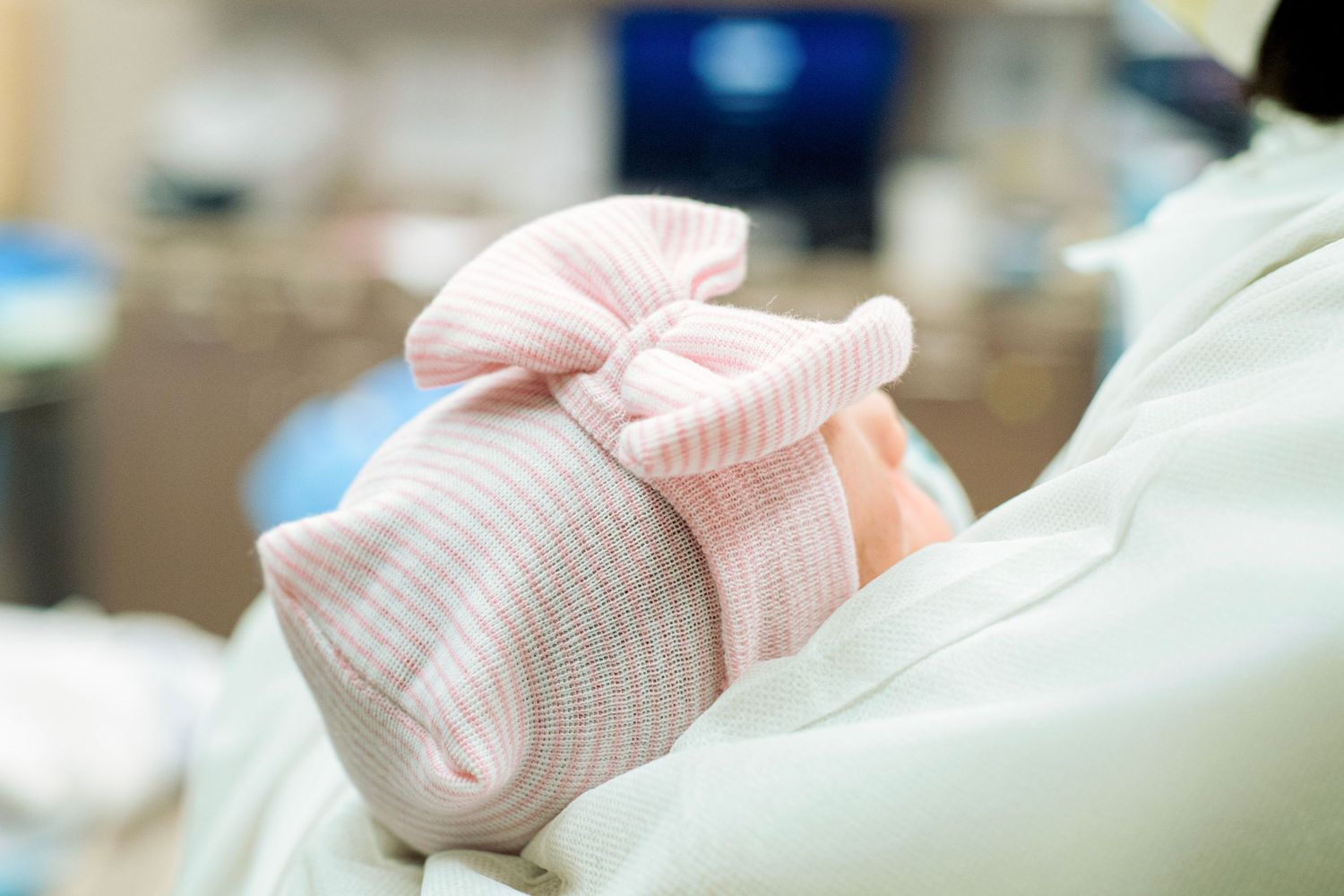
Working in birth also means having an understanding that not every birth experience is going to end in the way that the family hopes. I have photographed rooms that were full of joy and excitement. But I have also photographed rooms that were full of sorrow and grief.
When an image may be one of the only things left from a little baby's life, suddenly the composition doesn't matter quite as much. What matters was that the baby was here and that the baby is loved. Most parents spend those first 48 hours memorizing every little detail of their baby. For many parents, these images, capturing those precious details will be the only visual they have when the fog of postpartum takes over.
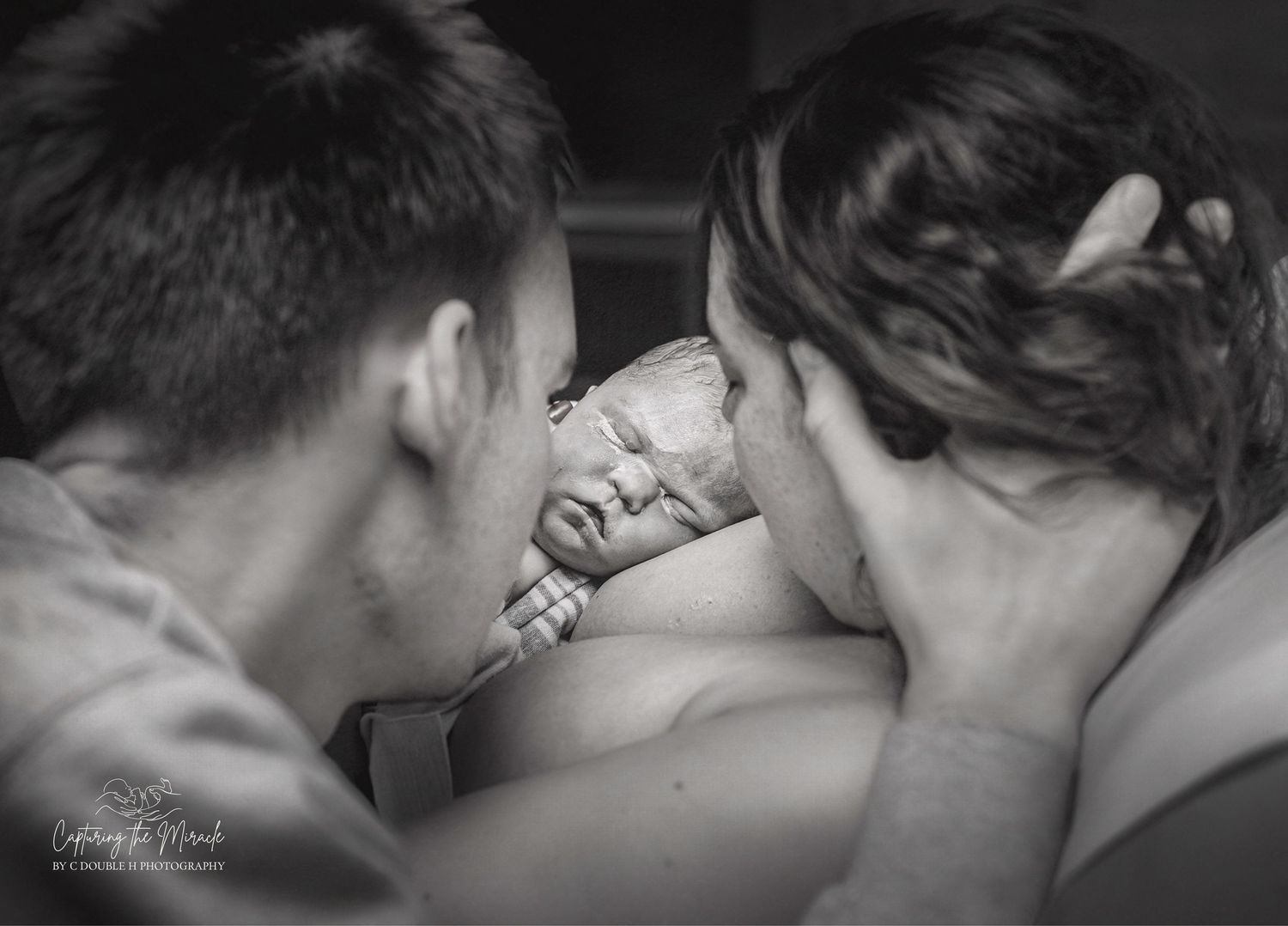
These experiences have also taught me that it's not my job to make birth look beautiful. My job is the document exactly what is happening in the moment and when I edit, I do my best to use my editing to help show that. Sometimes it looks like aesthetic labor gowns, hair and makeup done, and a slow and steady birth, where I can spend more time with my craft. But most of the time it is sort of chaotic and they're wearing a hospital gown, which is never aesthetic. Most of the time there are many people moving in and out especially because I spend my time in busy hospitals. Sometimes it's the bright green cub or the orange lights and tangled chords. I never want somebody to look at their birth gallery and see my version of what I thought their birth should look like.
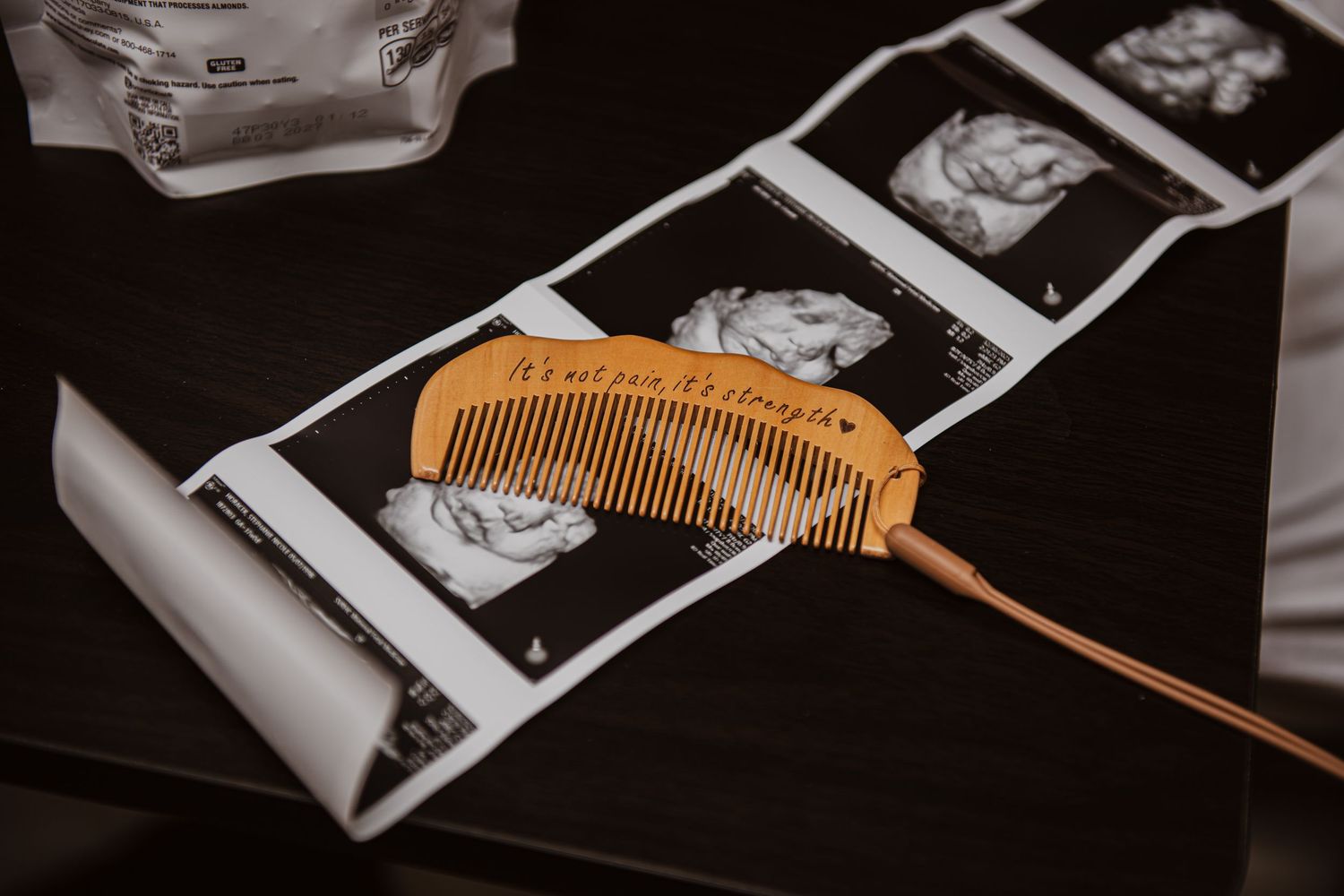
Being good at this also means learning how to exist in a birth space alongside a birth team and how to be a moving part in that birth theme. Every member of the birth team has an intricate role that deserves
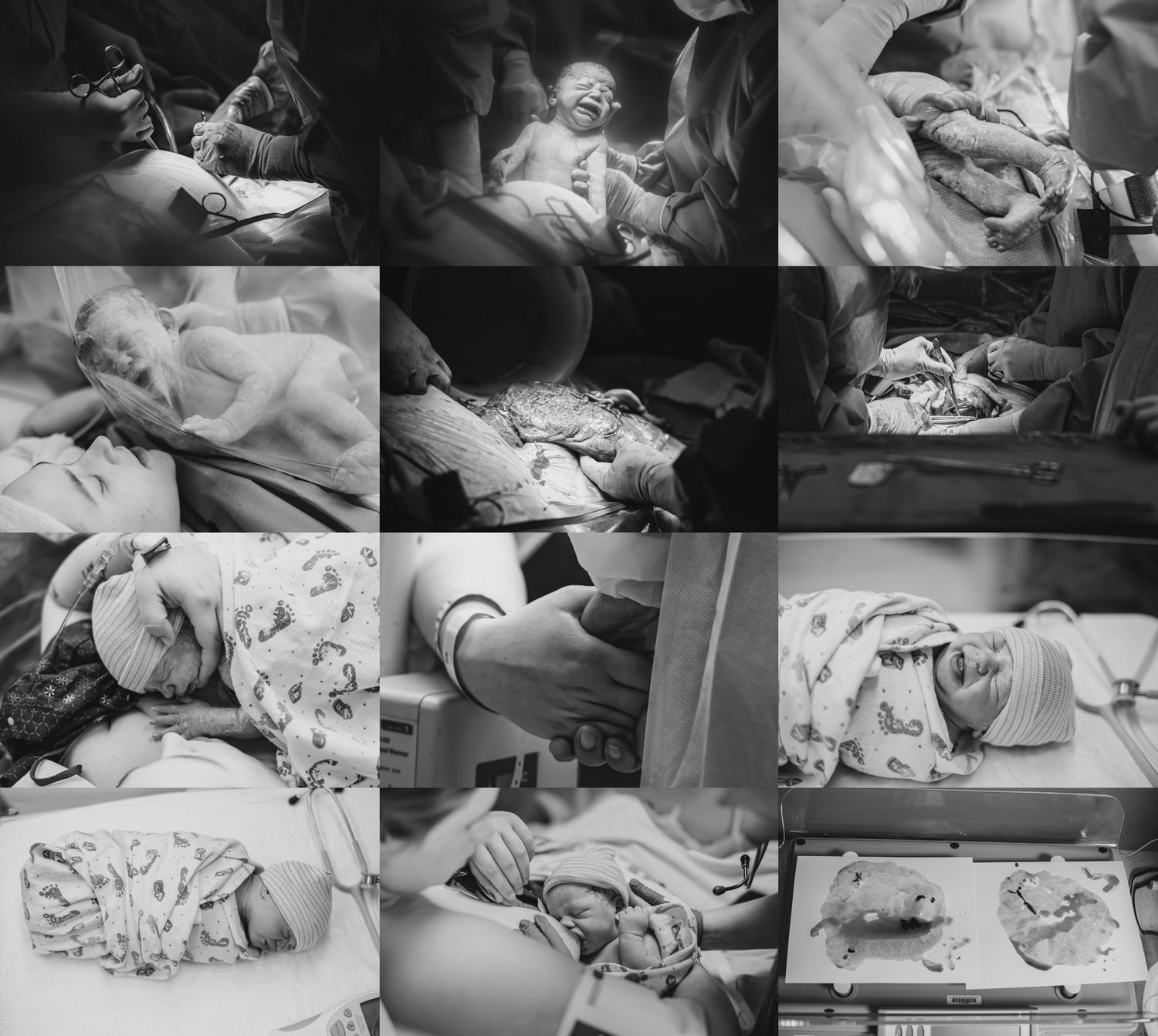
It means learning how to observe everything that is happening around you rather than getting others to observe you. The story is usually found in those little details around the room that you might not notice if you are only focused on your camera. There is a time to step in and there is a time to step back. At the end of the day, 1 am in that room because somebody trusted me to document their family story and that is not something that I take lightly. It is a very serious job that I am passionate about. I don't think that I will ever stop feeling incredible lucky and grateful when I step foot into a labor and delivery room.
One day these photographs may be what brings a family together, gathered in the living room, reliving the greatest moment of their lives. I can't imagine a greater privilege than being able to preserve it!